• HOME
  • NEWS
  • EXPLORE
    • CAREER
      • Companies
      • Jobs
    • EVENTS
    • iGEM
      • News
      • Team
    • PHOTOS
    • VIDEO
    • WIKI
  • BLOG
  • COMMUNITY
    • FACEBOOK
    • INSTAGRAM
    • TWITTER
Sunday, May 10, 2026
BIOENGINEER.ORG
No Result
View All Result
  • Login
  • HOME
  • NEWS
  • EXPLORE
    • CAREER
      • Companies
      • Jobs
        • Lecturer
        • PhD Studentship
        • Postdoc
        • Research Assistant
    • EVENTS
    • iGEM
      • News
      • Team
    • PHOTOS
    • VIDEO
    • WIKI
  • BLOG
  • COMMUNITY
    • FACEBOOK
    • INSTAGRAM
    • TWITTER
  • HOME
  • NEWS
  • EXPLORE
    • CAREER
      • Companies
      • Jobs
        • Lecturer
        • PhD Studentship
        • Postdoc
        • Research Assistant
    • EVENTS
    • iGEM
      • News
      • Team
    • PHOTOS
    • VIDEO
    • WIKI
  • BLOG
  • COMMUNITY
    • FACEBOOK
    • INSTAGRAM
    • TWITTER
No Result
View All Result
Bioengineer.org
No Result
View All Result
Home NEWS Science News

Great Barrier Reef building coral under threat from poisonous seaweed

Bioengineer by Bioengineer
February 3, 2017
in Science News
Reading Time: 2 mins read
0
Share on FacebookShare on TwitterShare on LinkedinShare on RedditShare on Telegram
IMAGE

Credit: Griffith University

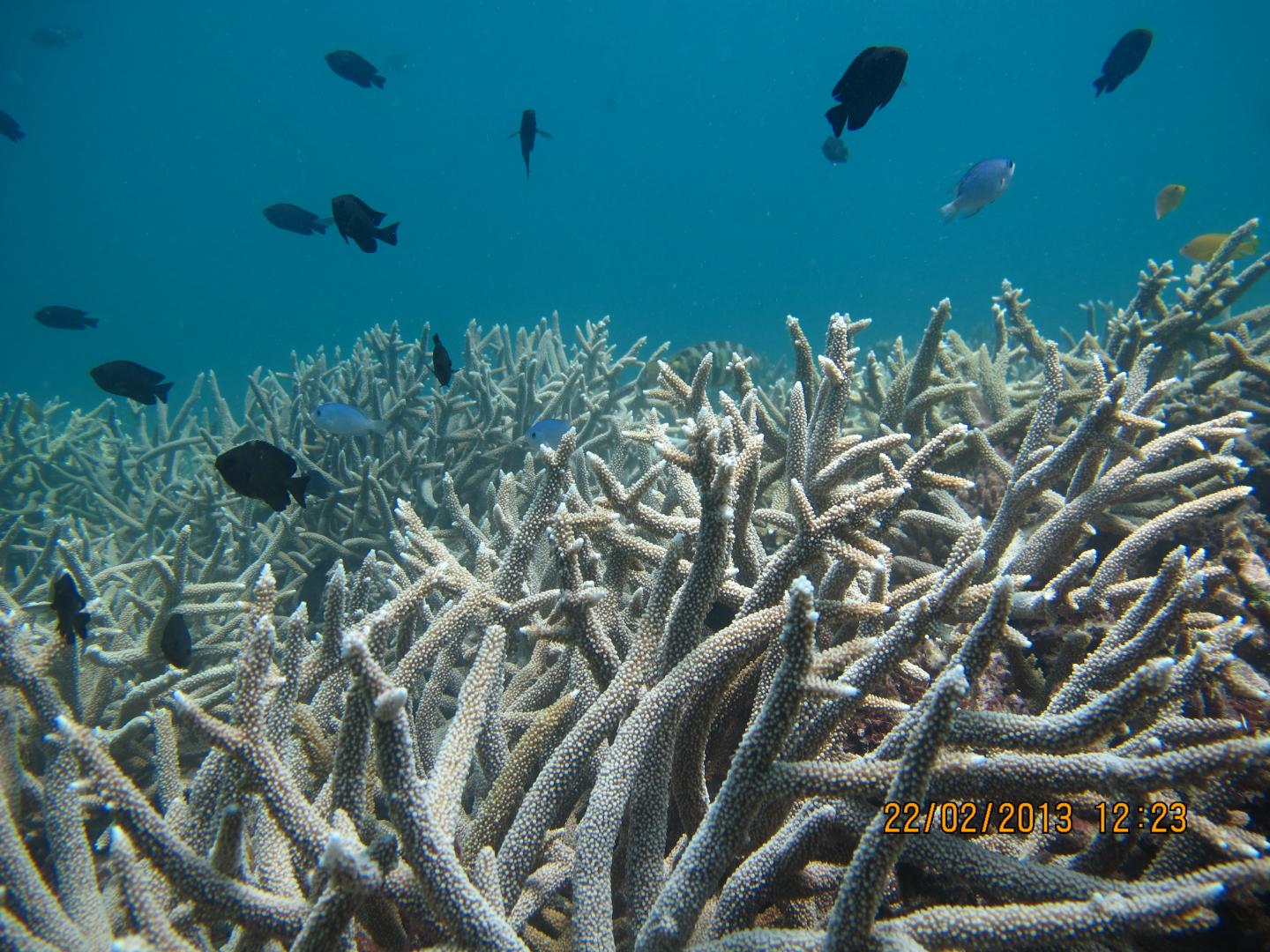
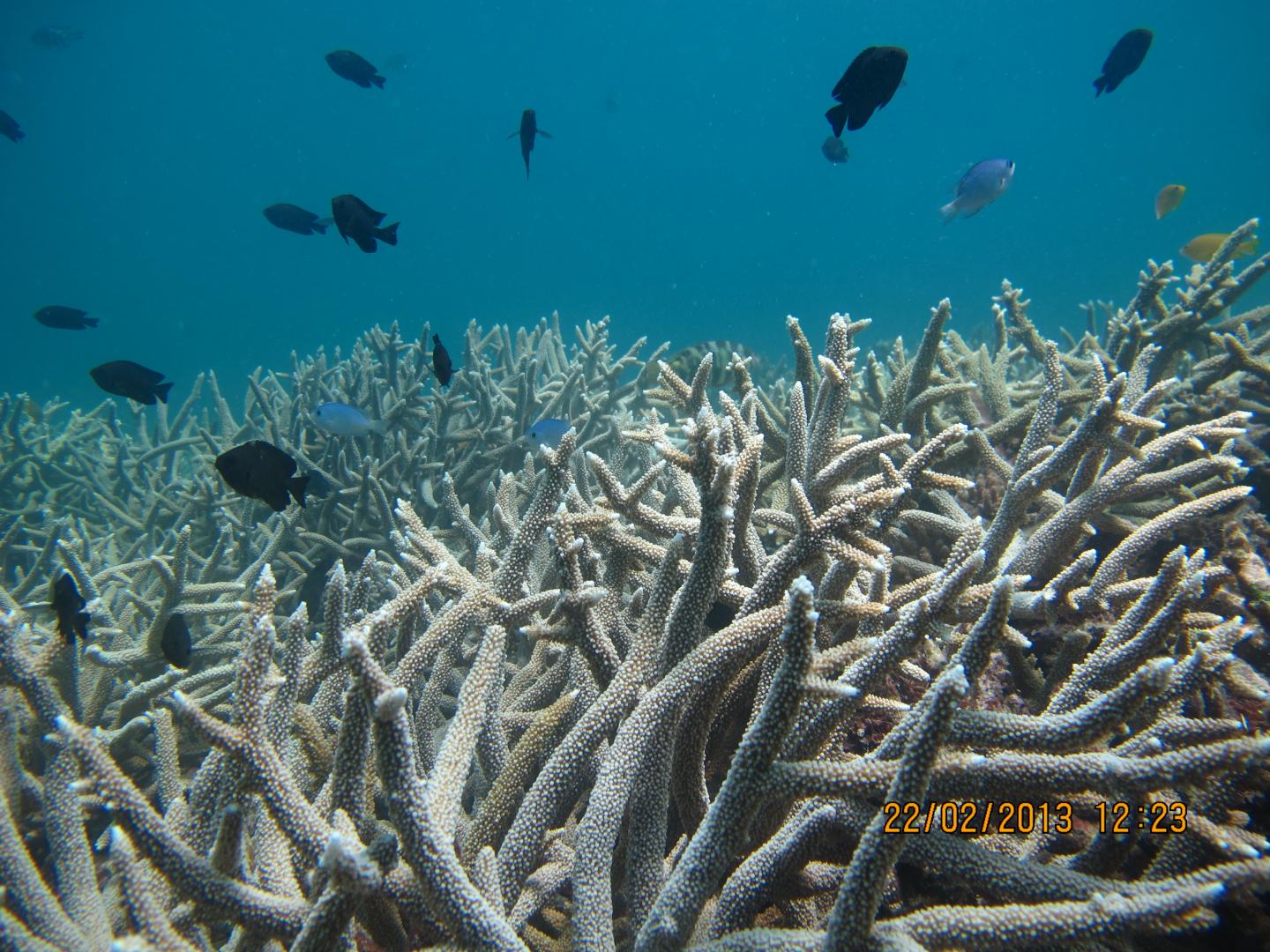
The Griffith University study, conducted in collaboration with national and international experts in reef and chemical ecology, showed that if the world continues with 'business as usual' CO2 emissions important reef building corals will suffer significantly by 2050 and die off by 2100.

Associate Professor Guillermo Diaz-Pulido, of Griffith's School of Environment, says that is because algae will compete for space with corals in the reef, much like a weed, and eventually take over.

Researchers knew increased CO2 had an effect on seaweed behaviour but have now been able to demonstrate just how this happens. They discovered this is due to an increase in the potency of chemical compounds that poison corals.

"This is a major step forward in understanding how seaweeds can harm corals and has important implications for comprehending the consequences of increased carbon dioxide emissions on the health of the Great Barrier Reef," says Associate Professor Diaz-Pulido.

"For the algae to grow they need light and CO2, just like any other plant, and because algae in the future would be exposed to much more CO2 in seawater we wanted to know to what extent the CO2 would affect some of the things algae do, the physiology and the interaction with animals."

Professor Mark Hay, from the Georgia Institute of Technology and co-author of the study, adds: "What we've discovered is that some algae produce more potent chemicals that suppress or kill corals more rapidly. This can occur rapidly, in a matter of only weeks.

"If the algae overtake the coral we have a problem which contributes to reef degradation, on top of what we already know with coral bleaching, crown of thorn starfish outbreaks, cyclones or any other disturbance."

The research was undertaken at Heron Island, a coral cay on the southern end of the reef using underwater reef experiments and outdoor lab studies.

Associate Professor Diaz-Pulido says the study has global impacts because one of the seaweeds studied that causes the most damage is a common brown alga species found in reefs worldwide.

"That's a problem because if these algae take advantage of elevated CO2 in seawater that's even more a matter of concern," he says.

"The scale of the problem is so big removing a bunch of seaweed from the reef isn't going to do much because it just regrows and regenerates, so I think the way to address this really is to reduce the levels of CO2 in the atmosphere."

###

The research is published in the Nature journal Scientific Reports, supported by the Australian Research Council, and was conducted in collaboration with Professor Peter Mumby from The University of Queensland.

Media Contact

Stephanie Bedo
[email protected]
61-408-727-734
@Griffith_Uni

http://www.griffith.edu.au

############

Story Source: Materials provided by Scienmag

Share12Tweet8Share2ShareShareShare2

Related Posts

Key Pharmacological Markers for HIV Prevention in MSM

May 10, 2026

Taking 8,500 Steps Daily May Aid Long-Term Weight Management, Study Finds

May 10, 2026

Group Exercise Boosts Cognition, Fitness in Dementia

May 10, 2026

Estrogen Deficiency Triggers Bone EVs Causing Cell Aging

May 9, 2026
Please login to join discussion

POPULAR NEWS

  • Research Indicates Potential Connection Between Prenatal Medication Exposure and Elevated Autism Risk

    839 shares
    Share 336 Tweet 210
  • New Study Reveals Plants Can Detect the Sound of Rain

    727 shares
    Share 290 Tweet 181
  • Scientists Investigate Possible Connection Between COVID-19 and Increased Lung Cancer Risk

    68 shares
    Share 27 Tweet 17
  • Salmonella Haem Blocks Macrophages, Boosts Infection

    61 shares
    Share 24 Tweet 15

About

BIOENGINEER.ORG

We bring you the latest biotechnology news from best research centers and universities around the world. Check our website.

Follow us

Recent News

Key Pharmacological Markers for HIV Prevention in MSM

Taking 8,500 Steps Daily May Aid Long-Term Weight Management, Study Finds

Group Exercise Boosts Cognition, Fitness in Dementia

Subscribe to Blog via Email

Enter your email address to subscribe to this blog and receive notifications of new posts by email.

Join 82 other subscribers
  • Contact Us

Bioengineer.org © Copyright 2023 All Rights Reserved.

Welcome Back!

Login to your account below

Forgotten Password?

Retrieve your password

Please enter your username or email address to reset your password.

Log In
No Result
View All Result
  • Homepages
    • Home Page 1
    • Home Page 2
  • News
  • National
  • Business
  • Health
  • Lifestyle
  • Science

Bioengineer.org © Copyright 2023 All Rights Reserved.