Credit: University of Konstanz
FGM has been officially recognised as a human rights violation by the United Nations since 1992. Still, efforts to prevent the mutilation of newborns and young girls often meet with little success. Female genital mutilation comes in various degrees of severity, ranging from a cut to the clitoris or its removal (FGM I), through circumcision (FGM II) to the sewing together of the outer labia (FGM III). In the most extreme cases, labia that have grown together as a result of FGM are ripped apart violently during sexual intercourse or childbirth and are then sewn back together (infibulation).
In a pioneering, comprehensive study led by the University of Konstanz neuropsychologist Professor Thomas Elbert, Dr Anke Köbach and Dr Martina Ruf-Leuschner examined the impact that FGM has on the victims' body and mind. The study was carried out in the Somali Region of Ethiopia among the Somali, Amhara and Oromo people, all cultures that practice FGM at varying levels of severity. The results indicate that the affected women experience FGM as both a physical and mental injury, a so-called traumatic event. They inevitably grow more vulnerable to psychological disorders brought on by trauma such as post-traumatic stress disorder or depression. These consequences are particularly grave in women subjected to the most invasive forms of FGM (type II/III). Nearly 20 percent of young women with an average age of 32 suffer from post-traumatic stress disorders. Individuals who were also exposed to other threats to their lives and physical well-being were found to suffer from particularly severe forms of trauma.
This also affects their bodies' ability to cope with stress. The University of Konstanz's Clinical Psychology and Clinical Neuropsychology working group was able to document this by examining the density of the stress hormone cortisol in the subjects' hair. In women who had been subjected to severe forms of FGM, cortisol rates were increased. Cortisol density was also found to be higher than usual in women who had had FGM I performed on them when they were infants. As Anke Köbach states: "Even if the women cannot remember the procedure itself, they carry those memories in their biological systems for the rest of their lives".
Cortisol can increase the release of oxygen, glucose and other nutrients, while also repressing acute stress responses via adrenaline and noradrenaline. At the same time, it inhibits intestinal activity as well as inflammatory and immune responses. This, in turn, can lead to excess weight, muscle and tissue weakness as well as altered brain development. "These results should not only give the medical personnel supporting FGM pause for thought", says Thomas Elbert.
###
Original publication:
Anke Köbach, Martina Ruf-Leuschner, Thomas Elbert: "Psychopathological sequelae of female genital mutilation and their neuroendocrinological associations. Clinical Psychology and Clinical Neuropsychology", BMC Psychiatry, 13 June 2018. https://doi.org/10.1186/s12888-018-1757-0
Facts:
- Study on the relationship between female genital mutilation and mental illness
- Conducted by the University of Konstanz's Clinical Psychology and Clinical Neuropsychology working group led by Professor Thomas Elbert
- 176 women took part in the study
- The study was carried out in Ethiopia
- At an average age of 32, around 20 percent of the examined women who endured FGM II/III suffer from post-traumatic stress disorders.
Note to editors:
You can download a photo here: https://cms.uni-konstanz.de/fileadmin/pi/fileserver/2018/Bilder/Mit_erheblichen_Folgen_1.jpg
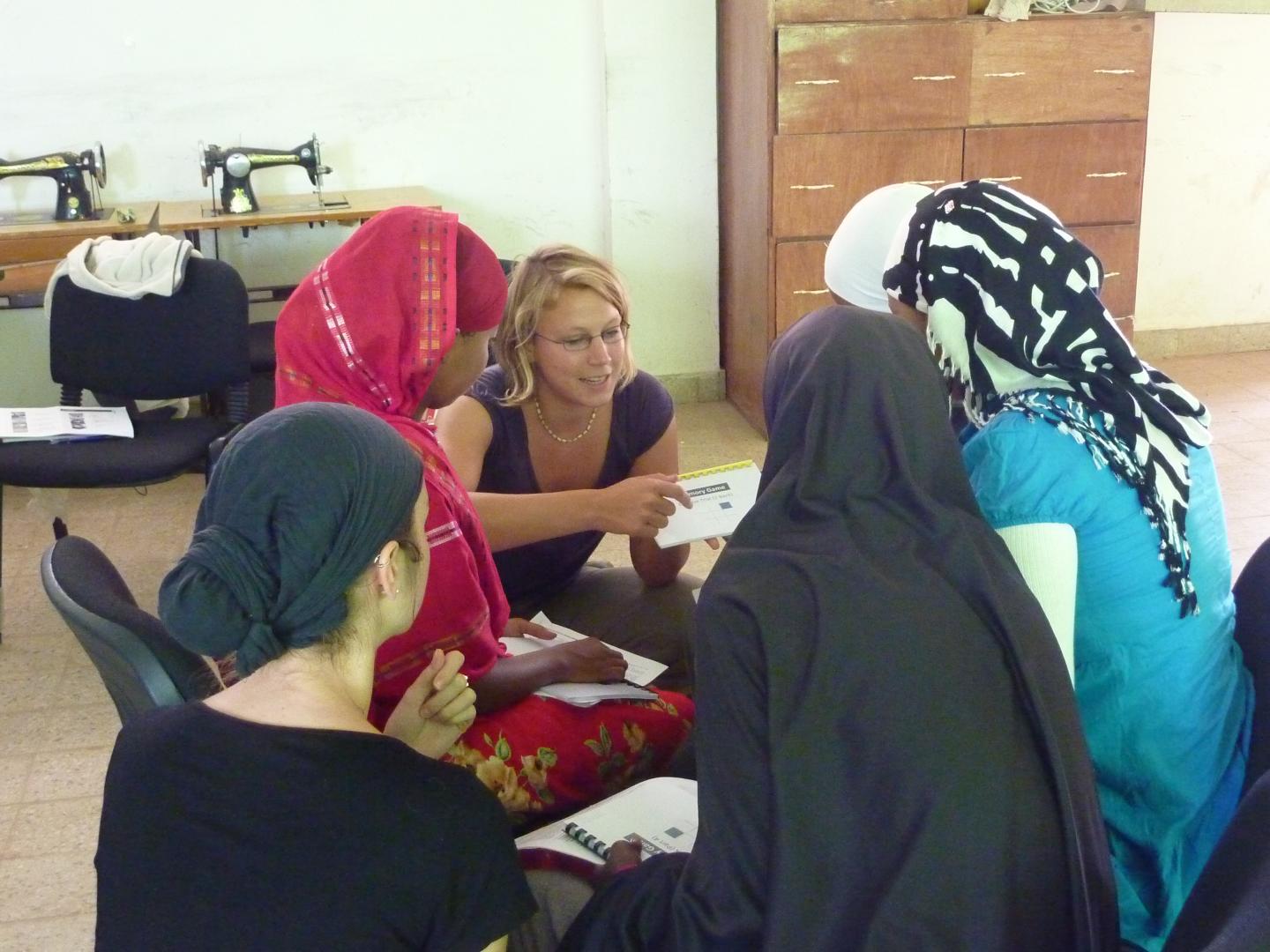
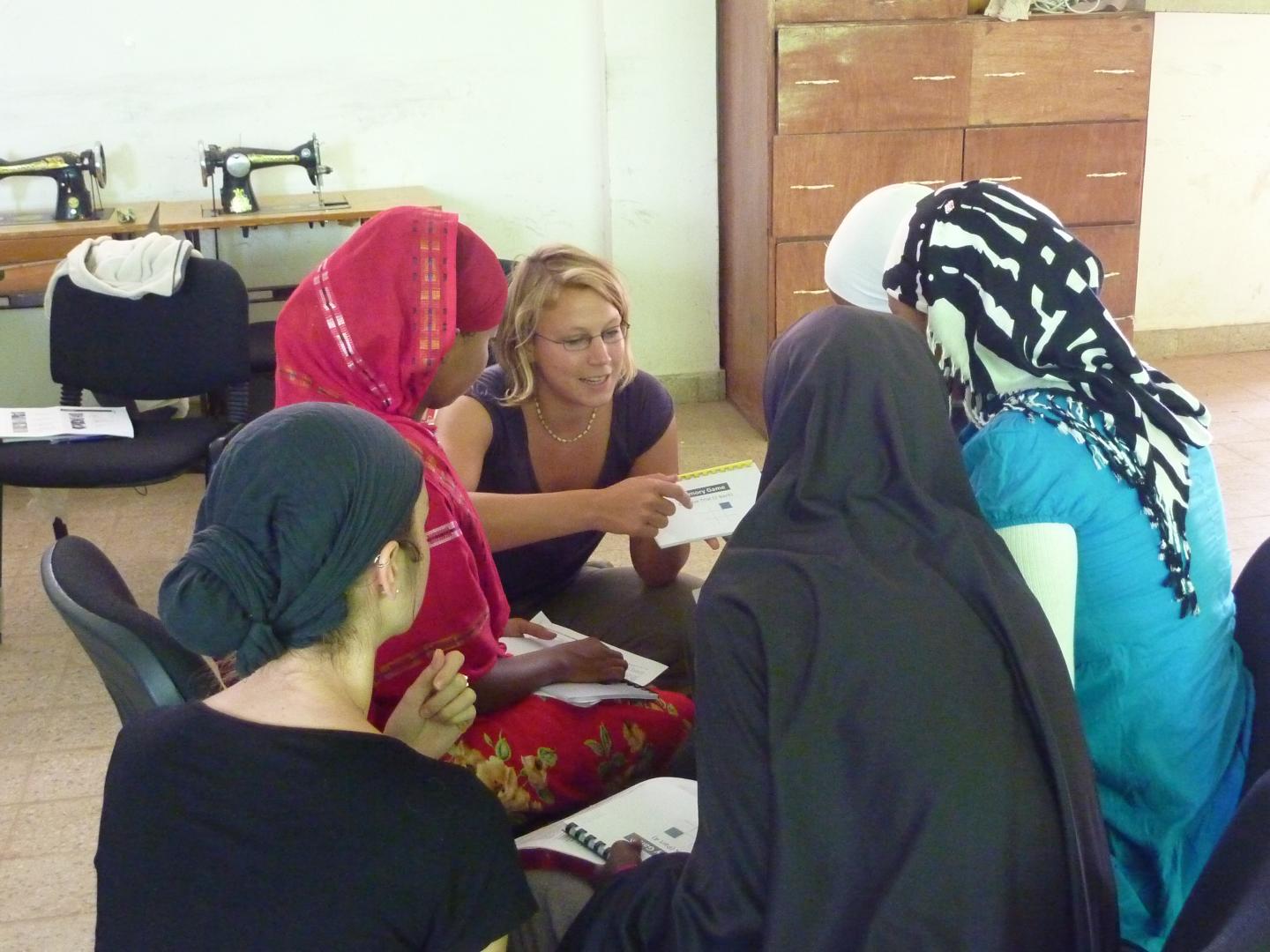
Caption: In a comprehensive and pioneering study led by Professor Thomas Elbert, Dr Anke Köbach (middle) and Dr Martina Ruf-Leuschner investigated the effects of female genital mutilation on the body and mind of the affected women.
Credit: University of Konstanz
Contact
University of Konstanz
Communications and Marketing
Phone: + 49 7531 88-3603
E-Mail: [email protected]
uni.kn
Media Contact
Julia Wandt
[email protected]
https://cms.uni-konstanz.de/en/university-of-konst
Related Journal Article
http://dx.doi.org/10.1186/s12888-018-1757-0