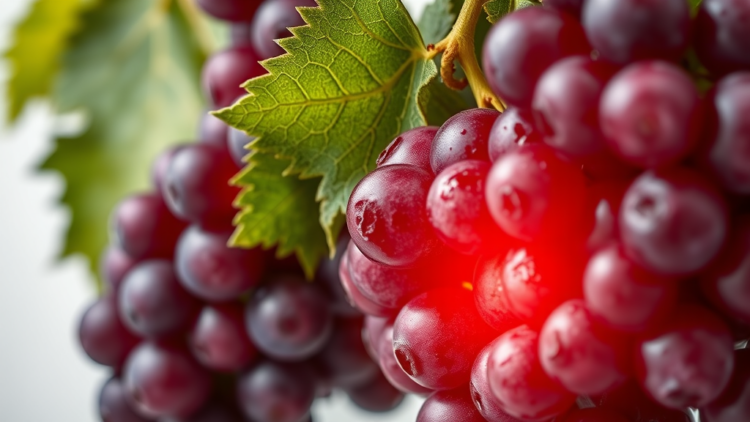
A white grape byproduct that wineries usually discard may hold the key to protecting the developing intestine from inflammatory damage, according to new research published in npj Science of Food. Scientists investigating the phenolic compounds concentrated in the skins of Vitis vinifera, the European wine grape, have shown that an extract rich in these molecules can measurably alter the course of intestinal stress in a laboratory model of embryonic development. The findings add to a growing body of evidence that dietary polyphenols, long studied for their antioxidant and anti-inflammatory properties in adult physiology, may also exert meaningful biological effects at the earliest stages of life.
The research team used an in ovo experimental approach, meaning the work was carried out inside fertilized eggs rather than in living mammals. This model, widely used in developmental biology and nutrition research, allows scientists to observe how bioactive compounds influence embryonic growth in a controlled, ethically streamlined system. To provoke intestinal stress, the researchers applied dextran sulfate sodium, or DSS, a chemical well known for its ability to damage the intestinal lining and trigger inflammation. DSS is a standard tool in inflammatory bowel disease research, and its effects on mature gut tissue are extensively documented. Applying it in an embryonic context offered the team a way to test whether a natural phenolic extract could counteract inflammatory injury before birth.
Phenolic compounds are a broad family of plant secondary metabolites that include flavonoids, phenolic acids, tannins, and stilbenes such as resveratrol. Grape skins are particularly dense in these molecules because they serve as the fruit’s first line of chemical defense against ultraviolet radiation, pathogens, and mechanical injury. White grape varieties, though often assumed to be phenolically inferior to their red counterparts, still contain substantial quantities of these compounds, concentrated primarily in the skin. Because winemaking presses the juice away from the skins, the pomace left behind after processing represents an abundant and inexpensive reservoir of bioactive material that the food industry has increasingly sought to valorize.
In the study, the researchers extracted phenolics from white grape skins and administered the extract to developing embryos subjected to DSS-induced stress. The team then evaluated a battery of indicators reflecting intestinal health, including markers of oxidative stress, inflammatory signaling, and structural integrity of the gut tissue. The results indicated that embryos receiving the grape skin extract showed a dampening of the harmful responses triggered by DSS. In practical terms, the phenolic treatment appeared to buffer the developing intestine against the chemical insult, preserving tissue condition and moderating the biochemical cascade that DSS normally sets in motion.
The mechanism behind this protection likely rests on the dual antioxidant and anti-inflammatory capacities of grape phenolics. Oxidative stress arises when reactive oxygen species overwhelm the cell’s antioxidant defenses, damaging lipids, proteins, and DNA. DSS exposure accelerates this imbalance in intestinal tissue, while simultaneously activating inflammatory pathways that recruit immune signaling molecules and further degrade the epithelial barrier. Phenolic compounds interrupt this cycle at multiple points: they scavenge free radicals directly, chelate pro-oxidant metal ions, and modulate intracellular signaling pathways such as nuclear factor kappa B, a master regulator of inflammatory gene expression. By intervening on both fronts, the extract can reduce the amplification loop in which tissue damage and inflammation feed each other.
What makes the in ovo model particularly compelling is the developmental window it captures. The embryonic intestine undergoes rapid morphogenesis, with epithelial cells proliferating, differentiating, and organizing into the villi and crypts that will later absorb nutrients. Inflammatory stress during this period can have lasting consequences for gut function, immune programming, and even systemic health after hatching or birth. Demonstrating that a plant-derived extract can protect this vulnerable phase suggests that maternal or early-life nutritional interventions with polyphenol-rich foods might one day support gastrointestinal resilience from the very beginning of life. The researchers emphasize, however, that the study establishes a proof of concept in an experimental model rather than a direct clinical recommendation.
The work also carries significant implications for the food and agricultural industries. Grape pomace is generated in enormous quantities worldwide, and while some of it is repurposed for animal feed or compost, much of it is discarded, creating both an economic loss and an environmental burden. If phenolic extracts from white grape skins can be standardized and shown to deliver consistent bioactivity, they could become ingredients in functional foods, dietary supplements, or feed additives aimed at supporting gut health. The in ovo platform itself offers the industry a relatively fast and inexpensive screening tool for evaluating such ingredients before committing to more costly animal or human trials.
Critical questions remain before any such translation can occur. The dose, timing, and bioavailability of grape skin phenolics in a developing organism are not yet fully resolved, and the specific compounds responsible for the protective effect have not been isolated from the complex mixture. Phenolic extracts are chemically heterogeneous, and their activity can depend on synergies among dozens of molecules. Moreover, absorption and metabolism of polyphenols differ substantially between an embryonic environment and a mature digestive system, so the effective dose in humans or livestock could differ considerably from what works in ovo. Follow-up studies will need to identify the active fractions, characterize dose-response relationships, and confirm safety across developmental stages.
Nevertheless, the study strengthens a broader scientific narrative: that the boundary between nutrition and medicine is increasingly porous, and that compounds once dismissed as mere plant pigments can act as genuine modulators of physiology. The intestine is not simply a digestive tube but a dynamic interface between the organism and its environment, housing the majority of the body’s immune cells and communicating constantly with the nervous system and the microbiome. Protecting this organ during development may therefore ripple outward into lifelong health outcomes, a hypothesis that research on early nutrition continues to support.
For now, the image of a winemaking waste product shielding an embryonic gut from inflammatory injury is a striking illustration of how food science, developmental biology, and sustainability can converge. The study, published in npj Science of Food, demonstrates that nature’s chemical arsenal, even in varieties of grape long overshadowed by their red-skinned cousins, contains molecules capable of defending the most delicate stages of life. As researchers refine the extraction methods, identify the active compounds, and test the findings in more complex models, white grape skins may find a second life not in the glass but in the clinic, the nursery, and the feed mill.
Subject of Research: Effects of white grape skin phenolic extract on DSS-induced embryonic intestinal stress in an in ovo model
Article Title: White grape (Vitis vinifera) skin phenolic extract impacts DSS-induced embryonic intestinal stress (in ovo)
Article References: Huang, M. Y., & Tako, E. (2026). White grape (Vitis vinifera) skin phenolic extract impacts DSS-induced embryonic intestinal stress (in ovo). npj Science of Food. https://doi.org/10.1038/s41538-026-01130-w
Image Credits: AI Generated
DOI: 10.1038/s41538-026-01130-w
Keywords: grape skin phenolics, Vitis vinifera, DSS, in ovo, intestinal stress, antioxidants, anti-inflammatory, embryonic development, gut health, polyphenols, food byproducts, White
Cite Scienmag News
APA MLA Chicago
Daisy Hatcher. (September 22, 2026). Grape Skin Compounds Shield Developing Gut From Inflammatory Stress. Scienmag. https://scienmag.com/grape-skin-compounds-shield-developing-gut-from-inflammatory-stress/
Daisy Hatcher. “Grape Skin Compounds Shield Developing Gut From Inflammatory Stress.” Scienmag, 22 September 2026, https://scienmag.com/grape-skin-compounds-shield-developing-gut-from-inflammatory-stress/. Accessed 22 September 2026.
Daisy Hatcher. “Grape Skin Compounds Shield Developing Gut From Inflammatory Stress.” Scienmag. September 22, 2026. https://scienmag.com/grape-skin-compounds-shield-developing-gut-from-inflammatory-stress/
Copy citation Download RIS
Tags: anti-inflammatoryantioxidant properties of wine grape skinsantioxidantsdevelopmental biology and nutrition research using fertilized eggsDSSearly-life gut health and inflammation preventioneffects of DSS on intestinal lining in research modelsembryonic developmentfood byproductsGrape skin phenolic compoundsgrape skin phenolicsgut healthimpact of grape byproducts on intestinal inflammationin ovointestinal stresspolyphenolspotential of grape-derived compounds in gut healthprotective effects of dietary polyphenols on embryonic gut developmentrole of polyphenols in embryonic intestinal stresssignificance of Vitis vinifuse of in ovo model for developmental nutrition studiesVitis viniferaWhite