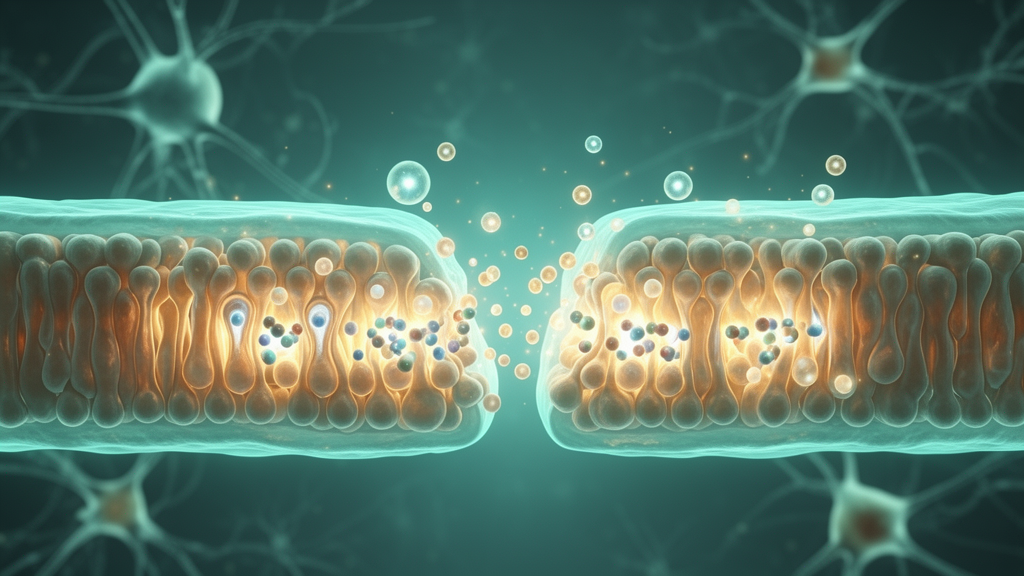
A recent study published in the journal Translational Psychiatry has identified a critical role for metabotropic glutamate 2/3 receptors (mGluR2/3) in the orchestration of reward-related behaviors. Researchers investigating the neurobiological foundations of motivation found that systemic administration of the selective mGluR2/3 antagonist LY341495 significantly impairs the behavioral response to natural rewards in mice, affecting both ingestive and social domains. By utilizing a combination of head-fixed temporal conditioning tasks and freely moving behavioral paradigms, the research team demonstrated that these receptors are fundamental to the reward processing circuitry, functioning independently of general motor or orofacial movement impairments.
In the head-fixed temporal conditioning experiments, the researchers observed that mice developed anticipatory licking behaviors and pupil dilation in anticipation of receiving a 10% sucrose solution, confirming successful temporal expectation. When systemic doses of the antagonist LY341495 were administered, the mice exhibited a dose-dependent reduction in both anticipatory and consummatory licking responses. Normalization analyses further suggested that LY341495 reduced the overall expression of licking behavior while largely preserving its temporal organization.
LY341495 also induced pupil dilation and attenuated reward-proximity–related pupillary modulation. The study utilized control tasks to ensure that the observed behaviors were not confounded by motor side effects. Assessment of locomotor activity in an open-field task showed no significant decline in mobility following administration of the compound, and the production of ultrasonic vocalizations (USVs) during social courtship interactions remained stable.
These observations indicate that the disruption in behavior following mGluR2/3 antagonism is not the result of non-specific motor dysfunction or impairment in orofacial coordination.
The study further expanded the scope of this effect by evaluating social interaction, finding that LY341495 administration significantly decreased social preference in mice. This indicates that the effects of mGluR2/3 antagonism extend beyond ingestive behavior to social reward-related processes. LY341495 also dose-dependently reduced food intake.
These results have significant implications for the understanding of neuropsychiatric disorders characterized by diminished motivational drive and anhedonia, such as depression.
In summary, the administration of the mGluR2/3 antagonist LY341495 creates a distinct profile of behavioral impairment characterized by reduced anticipation and consumption of rewards, alongside diminished social preference. Because these effects occur in the absence of general motor dysfunction, they provide strong evidence that mGluR2/3 signaling is directly involved in the motivation to pursue rewards across varied domains.
Subject of Research: Neurobiology of reward and motivation
Article Title: Systemic administration of the mGluR2/3 antagonist LY341495 disrupts reward-related behaviors across ingestive and social domains in mice
Article References: Inoue, H., Yamamoto, M., Tamai, Y., Matsushima, S., Yamada, K., Hayashi, K., & Toda, K. (2026). Systemic administration of the mGluR2/3 antagonist LY341495 disrupts reward-related behaviors across ingestive and social domains in mice. Translational Psychiatry. https://doi.org/10.1038/s41398-026-04446-z
Image Credits: AI Generated
DOI: 10.1038/s41398-026-04446-z
Keywords: mGluR2/3 receptors, LY341495, glutamate signaling, reward processing, motivation, anhedonia, translational psychiatry, mouse models, behavioral neurobiology, sucrose consumption, social preference, pupillometry, neuropharmacology, ingestive behavior, neuropsychiatry
News Source: Glenn Wilkins. (November 16, 2026). Glutamate Receptor Antagonism Disrupts Reward Processing in Mouse Models. Scienmag.