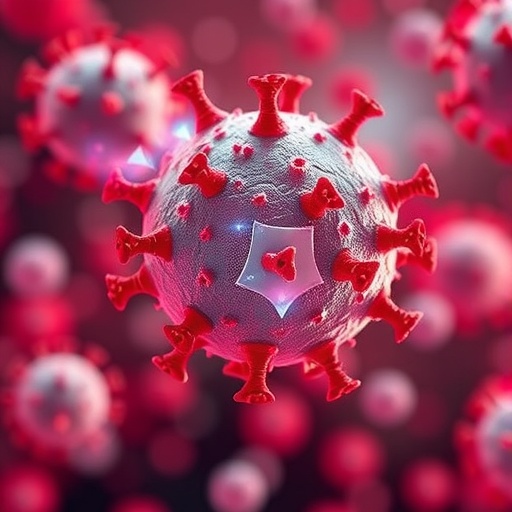
TAMPA, FL, USA (April 21, 2026) – The Global Virus Network (GVN), an international coalition of leading virology experts encompassing over 90 Centers of Excellence across more than 40 countries, has issued a critical alert regarding the unprecedented resurgence of measles both within the United States and worldwide. This resurgence signals a concerning vulnerability within global public health infrastructures, emphasizing an urgent need for renewed focus on vaccination and disease surveillance efforts.
Measles, a viral disease once nearing elimination in many parts of the world, is experiencing its most significant comeback in decades. In the United States alone, more than 1,700 confirmed cases have been reported across 30 states in the early months of 2026, building upon the highest annual totals recorded in over 30 years during 2025. This rapid escalation threatens the retention of the U.S.’s measles elimination status, which had been officially achieved in the year 2000 but now appears precarious due to declining immunization rates.
Epidemiological analyses link these recent outbreaks directly to reductions in routine childhood vaccination coverage. The majority of infections are concentrated in populations with no vaccination history or unknown immunization status, underscoring the pivotal role of vaccine coverage in preventing measles transmission. The COVID-19 pandemic aftermath, with its widespread societal disruptions and challenges to healthcare delivery, has compounded these gaps along with an increase in vaccine misinformation and decreased public confidence in immunization programs.
This alarming trend is not confined to the U.S. alone but reflects a global regression in measles control. In Europe, countries such as Romania and the United Kingdom have experienced surges in measles outbreaks, with Romania bearing a large burden of cases. Alarmingly, the UK has recently lost its previously held elimination status due to declining vaccine uptake. Similarly, in South Asia, nations including Afghanistan, Pakistan, and Bangladesh continue to report endemic measles transmission, with outbreaks disproportionately impacting displaced and vulnerable populations in densely populated regions. The persistence of measles in sub-Saharan Africa further illustrates the widespread public health gaps that allow the virus to thrive.
Measles remains one of the most contagious viral infections known to science. Transmission requires close contact with infected respiratory droplets or aerosols and can spread rapidly in under-immunized communities. Achieving herd immunity demands a minimum of approximately 95% immunization coverage, hence even slight decreases below this threshold can precipitate significant outbreaks. The virus’s R0 value, or basic reproduction number, often estimated between 12 to 18, underscores this remarkable infectious potential and the tight margins for effective prevention.
From a virological perspective, measles virus is a negative-sense, single-stranded RNA virus belonging to the Paramyxoviridae family. Its capacity to evade immune clearance and cause prolonged disruption of host immunity through mechanisms such as “immune amnesia” profoundly compromises an individual’s defenses against secondary infections. Complications from measles include severe pneumonia, encephalitis, and death particularly among young children and immunocompromised individuals, reaffirming its status as a severe public health threat rather than a benign childhood illness.
The resurgence observed is attributable not to viral mutation or the emergence of new strains but fundamentally to failures in maintaining robust immunization programs and public health infrastructure. The weakening of these systems highlights both the fragility of past public health gains and the necessity for persistent investment in vaccination campaigns, surveillance capabilities, and public trust-building strategies.
Dr. William Moss, executive director of the International Vaccine Access Center at Johns Hopkins Bloomberg School of Public Health and a GVN collaborator, emphasizes the crisis as a symptom of broader immunization system dysfunction. “Measles cases serve as a sensitive barometer for vaccination system integrity. When coverage dips, the virus exploits immunity gaps immediately. Our current situation reflects a failure to sustain these essential systems and public trust,” he states. Dr. Moss reinforces that the vaccine remains highly effective, but its success depends on consistent and widespread administration.
Given the gravity of the ongoing outbreaks, several public health priorities have emerged. These include restoring and maintaining high vaccination coverage through catch-up campaigns, strengthening surveillance networks for rapid outbreak detection and response, addressing vaccine hesitancy via transparent and evidence-based communication strategies, and ensuring reliable access to routine immunization services, especially in marginalized communities. Coordination at local, national, and global levels is equally critical to counter the cross-border spread of measles.
The tools required to prevent measles transmission have been available and validated for decades. Yet, the global health community faces the challenge of reestablishing the conditions for their consistent and effective implementation. Without coordinated and immediate action, measles outbreaks will likely continue to escalate, placing increasing burden on healthcare infrastructures and significantly endangering vulnerable groups worldwide.
Measles vaccine, typically administered as a combination measles-mumps-rubella (MMR) vaccine, induces durable immunity and has been instrumental in reducing measles-related morbidity and mortality globally. Its safety profile and effectiveness are well-documented; however, the resurgence underscores an urgent need to combat misinformation and structural barriers that inhibit universal vaccine access and acceptance. These factors remain pivotal determinants of vaccine uptake.
In summary, the current global measles resurgence represents a critical test of worldwide commitment to vaccination programs and public health resilience. The stakes extend beyond measles prevention alone, as the virus’s immunosuppressive effects can facilitate a cascade of other infectious diseases, thereby amplifying its indirect health impacts. Renewed efforts to restore high immunization coverage and fortify health system readiness are imperative to ward off further spread and resecure the hard-won progress of past decades.
The Global Virus Network remains dedicated to supporting these efforts through scientific collaboration, data sharing, and advocacy aimed at revitalizing measles control and broader pandemic preparedness. The resurgence highlights that the containment of infectious diseases requires continual vigilance, systemic infrastructure, public trust, and unwavering political will to protect global health into the coming decades.
Subject of Research: Measles virus resurgence and immunization system failures
Article Title: Global Measles Resurgence Signals Critical Breakdown in Vaccination Systems
News Publication Date: April 21, 2026
Web References:
– https://gvn.org/
– https://www.cdc.gov/measles/data-research/index.html
– https://www.who.int/news/item/28-11-2025-measles-deaths-down-88–since-2000–but-cases-surge
– https://www.who.int/europe/news-room/events/item/2025/09/15/default-calendar/14th-meeting-of-the-european-regional-verification-commission-for-measles-and-rubella-elimination-(rvc)
– https://www.who.int/publications/i/item/sea-immun-175
– https://www.sciencedirect.com/science/article/pii/S0264410X26000356
– https://www.cdc.gov/global-measles-vaccination/about/index.html
Keywords: Measles resurgence, vaccination coverage, measles elimination status, immunization decline, Global Virus Network, infectious disease epidemiology, vaccine hesitancy, measles virus, immune amnesia, public health preparedness
Tags: declining childhood vaccination ratesGlobal measles resurgence 2026Global Virus Network alertimpact of COVID-19 on immunizationinternational virology collaborationmeasles elimination status riskmeasles epidemiological trendsmeasles outbreak United Statesmeasles vaccination coverage declinepublic health infrastructure vulnerabilityvaccine hesitancy and measlesvaccine-preventable disease surveillance