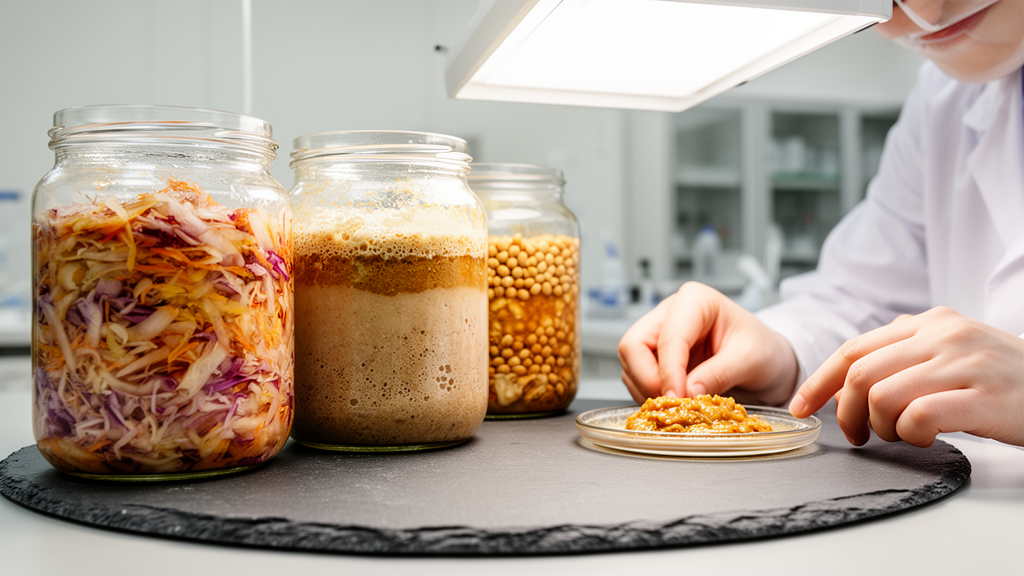
Researchers have completed a comprehensive comparative analysis of the microbial communities present in plant-based fermented foods across the globe. Published in the journal Food Safety and Risk, the study utilized 16S rRNA metagenomics to explore how geographical location, substrate type, and fermentation methods influence microbial diversity. The team analyzed 700 samples from 24 countries, combining primary data from India with 688 publicly available datasets. This extensive dataset allowed for a detailed examination of the bacterial and archaeal populations that drive spontaneous fermentation in traditional foods.
The study focused on the transition to plant-based diets and the need to understand the functional nutrition and probiotic properties of these fermented products. Traditionally prepared fermented foods result from spontaneous fermentation, a process driven by microbes already present in the raw materials, air, or utensils. The researchers aimed to consolidate existing knowledge and identify core microbial populations that contribute to both health benefits and potential food safety risks.
To achieve this, the team performed whole shotgun metagenomic sequencing on twelve wheat-based starter cultures collected from Himachal Pradesh, India. These primary samples were sequenced using the Illumina NovaSeq 6000 platform. The researchers then extracted the 16S rRNA gene sequences using in silico methods. This primary dataset was integrated with secondary data downloaded from the National Center for Biotechnology Information (NCBI). The secondary data included paired-end reads from various plant-based fermented foods, including cereals, pulses, and vegetables, from 23 other countries.
The analysis revealed a consistent dominance of specific microbial taxa across the global samples. At the phylum level, Bacillota and Pseudomonadota were the most abundant groups in most countries. However, significant variations were observed in their relative abundances. For instance, in Benin, Pseudomonadota was more abundant than Bacillota, while in Japan, the two phyla had closer relative abundances. At the genus level, the study identified a lack of uniformity in dominant genera, which the authors attributed to differences in food types, preparation methods, raw materials, and local climatic conditions.
Lactic Acid Bacteria (LAB) were identified as key players in the microbial communities of plant-based fermented foods. Genera such as Lactobacillus, Weissella, Lactiplantibacillus, and Pediococcus were frequently observed. These bacteria are known for their ability to produce lactic acid and other compounds like ethanol and carbon dioxide through fermentation. The presence of these LAB is often associated with probiotic potential, as certain species can survive in the gastrointestinal tract and produce bioactive compounds. The study highlighted that these beneficial microbes are widely distributed across different geographical regions and substrate types.
Despite the prevalence of beneficial bacteria, the researchers also detected pathogenic functionalities in minor abundances. The presence of organisms associated with food spoilage and human pathogens indicated the risks involved in uncontrolled spontaneous fermentation. Contaminant bacteria were found in products from Asian and African countries, including India, Japan, Benin, and Tanzania. These findings underscore the importance of monitoring microbial safety in traditionally prepared foods. The study noted that while fermentation can enhance food safety by inhibiting harmful pathogens, it can also serve as a vehicle for antibiotic-resistant genes and toxins if not properly managed.
Statistical analysis demonstrated significant differences in microbial diversity across countries, substrates, and fermentation techniques. Alpha-diversity metrics, such as the Shannon index, showed that African and Asian countries generally exhibited higher microbial diversity compared to Western countries. This higher diversity in regions like India, Japan, and Tanzania was linked to the consumption of a wider variety of traditional fermented foods. In contrast, Western countries, where cereal-based sourdough is the predominant fermented food, showed lower and more clustered diversity measures. The use of highly processed refined flour in these regions may contribute to the reduced microbial complexity observed.
The type of substrate used for fermentation also significantly shaped the microbial community structure. The study categorized substrates into cereals, pulses, and vegetables. Cereal-based foods were dominated by Levilactobacillus and Fructilactobacillus, while pulses were characterized by the presence of Chungangia. Vegetable-based fermented foods showed a dominance of Lactobacillus. The ratio of Bacillota to Pseudomonadota varied across these groups, being highest in pulses and lowest in vegetables. These differences suggest that the chemical composition and moisture content of the raw materials play a crucial role in determining which microbial communities thrive during fermentation.
The method of fermentation initiation, specifically the use of starter cultures, had a measurable impact on microbial diversity. Samples prepared without starter cultures, undergoing spontaneous fermentation, exhibited significantly higher alpha-diversity than those prepared with starter cultures. This indicates that environmental microbes contribute to a more complex and diverse community in spontaneously fermented foods. Beta-diversity analysis confirmed that the microbial communities in starter-culture-based products were distinct from those in spontaneously fermented products. The use of starter cultures appears to narrow the microbial spectrum, favoring specific strains that are optimally suited to the food environment.
Functional analysis using the FAPROTAX tool predicted that the microbial communities in these fermented foods are primarily involved in fermentation and chemoheterotrophy. The study also identified functions related to the carbon and nitrogen cycles, as well as some potential pathogenic roles. However, the researchers noted that functional predictions based on 16S rRNA sequencing have limitations, as they do not directly capture functional genes. The predictions are inferred from taxonomic relationships and may not fully reflect the actual metabolic capabilities of the specific strains present.
The study also examined the impact of the 16S rRNA gene region sequenced on the observed microbial diversity. Samples sequenced using the V3-V4 region showed the highest alpha-diversity and the most informative microbial profiles. In contrast, sequencing only the V3 region resulted in the lowest diversity estimates. This finding suggests that the choice of sequencing region can influence the resolution and accuracy of microbial community profiling. The V3-V4 region appears to be the most effective for capturing the full extent of microbial diversity in fermented food products.
Subsampling analysis was conducted to ensure that the large number of samples from certain countries, such as the United States, did not bias the results. The researchers found that subsampling the large datasets did not significantly alter the top taxa or diversity trends. This confirms the robustness of the study’s findings and the stability of the microbial communities identified. The study concludes that microbial diversity in plant-based fermented foods is fundamentally determined by substrate type, geographical location, and fermentation procedures. These insights provide a foundation for developing strategies to improve food safety and optimize the production of functional fermented foods.
The study’s primary dataset originated from twelve wheat-based starter cultures collected from various locations in Himachal Pradesh, India. These samples were processed using the Nucleospin Soil DNA kit for DNA extraction, followed by library preparation with the QIAGEN QIAseq FX DNA Library Kit. Sequencing was performed on the Illumina NovaSeq 6000 platform using a paired-end 2 × 150 bp chemistry. After filtering low-quality reads and removing adapters, the researchers used the sortmerna tool and the silva-138.1-ssu-nr99-rna-seqs reference database to extract the V3-V4 region of the 16S rRNA gene in silico. This approach allowed the team to integrate their primary data with the 688 secondary datasets, ensuring a consistent taxonomic resolution across the entire global analysis.
At the genus level, the microbial composition varied significantly depending on the substrate group. Cereal-based fermented foods were dominated by Levilactobacillus, which accounted for 18.4% of the relative abundance, followed by Fructilactobacillus at 15.5% and Pediococcus at 13.5%. In contrast, pulse-based products were characterized by the presence of Chungangia, which reached a relative abundance of 20.3%, alongside unidentified members of the Bacillaceae and Bacillales families. Vegetable-based fermented foods showed a different profile, with Lactobacillus being the most dominant genus at 15.6%, followed by Levilactobacillus at 8.9%. These distinct community structures suggest that the specific chemical environment of each substrate type selects for different microbial populations during the fermentation process.
The study also identified several unique bacterial taxa associated with specific substrate groups. For vegetables, six uniquely dominant genera were identified, including Periweissella, Terasakiispira, and Stenotrophomonas. Pulses contained four unique bacterial taxa, such as Weizmannia and Globicatella, along with one archaeal taxon. Cereals had only one uniquely dominant bacterium, Fructilactobacillus. The researchers noted that vegetables and pulses hosted more unique dominant organisms than cereals, which may be related to their shorter shelf lives and higher moisture content. Vegetables, being consumed shortly after harvest, provide a more dynamic environment for microbial growth compared to the hard, low-moisture texture of cereal grains, which can be stored for years under dry conditions.
Functional profiling using the FAPROTAX tool indicated that the microbial communities in these foods are primarily engaged in fermentation and chemoheterotrophy. These functions are linked to the degradation of organic matter and the production of lactic acid, which is characteristic of the Lactic Acid Bacteria prevalent in these samples. The analysis also predicted functions related to the carbon and nitrogen cycles, as well as the presence of potential human pathogens and parasites, although these were observed in lower abundances. The researchers emphasized that FAPROTAX predictions are based on taxonomic relationships and may not capture strain-level functional diversity, meaning that the actual metabolic capabilities of the microbes present could differ from the predicted profiles.
The study’s findings are limited by the taxonomic resolution of 16S rRNA sequencing, which typically identifies microbes only to the genus level. This limitation means that species-level diversity and specific functional gene presence were not directly measured. The authors suggest that future research should utilize whole metagenomic shotgun sequencing to achieve a more detailed understanding of the microbial communities in plant-based fermented foods. Such advanced methods could provide deeper insights into the specific strains involved in fermentation and their precise contributions to food safety and nutritional quality.
Subject of Research: Comparative analysis using 16S rRNA metagenomics to explore the microbial diversity of plant based fermented foods
Article Title: Comparative analysis using 16S rRNA metagenomics to explore the microbial diversity of plant based fermented foods
Article References: Sharma, H., Ira, R., Sood, D., Kumar, R., Devi, S., & Prakash, T. (2026). Comparative analysis using 16S rRNA metagenomics to explore the microbial diversity of plant based fermented foods. Food Safety and Risk, 13(1), Article 12. https://doi.org/10.1186/s40550-026-00136-2
Image Credits: AI Generated
DOI: 10.1186/s40550-026-00136-2
Keywords: Comparative, analysis, rRNA, metagenomics, explore, microbial, diversity, plant, based, fermented, foods, scientific research
News Source: Morgan Morrow. (November 11, 2026). Global Study Maps Microbial Diversity in Plant-Based Fermented Foods. Scienmag.