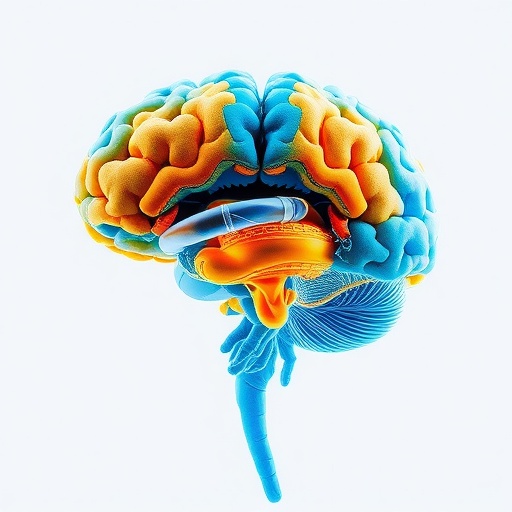
Every year, traumatic brain injury kills nearly 5 million people worldwide and affects tens of millions more, yet a new global study suggests that the most powerful way to reduce this burden may have little to do with what happens inside a neurosurgical operating room. Researchers say safer roads, faster emergency transport, helmet use and fall-prevention programs could save more lives than medical advances alone if they are designed around the risks faced by individual communities.
The study, led by researchers at Oregon Health & Science University and published in Nature Medicine, is one of the first large international investigations to compare traumatic brain injury patterns, clinical care and outcomes across countries at different levels of human development. The research team analyzed data from more than 2,000 patients treated at 100 hospitals in 29 countries between 2019 and 2022. Medical students helped collect standardized information, creating a broad dataset that allowed researchers to examine how injury causes and medical outcomes differed across national settings.
Motor vehicle crashes represented the largest single cause of traumatic brain injury across the global study population, but the pattern was far from uniform. The researchers found that the source of injury changed substantially depending on a country’s infrastructure, age distribution, transportation systems and access to emergency medical care. In wealthier countries, for example, ground-level falls were a major cause of traumatic brain injury among older adults. In other regions, crashes involving cars, motorcycles and other vehicles affected younger people and accounted for a larger proportion of severe injuries.
That contrast matters because traumatic brain injury is not a single disease with a universal solution. It is a broad clinical condition in which an external force disrupts normal brain function, damaging tissue directly or causing secondary injury through swelling, bleeding, reduced oxygen delivery and increased pressure inside the skull. A patient’s outcome can depend not only on the original impact but also on how quickly the injury is recognized, whether imaging and surgery are available, and how long it takes to reach a hospital capable of providing intensive neurological care.
“ You can’t solve a global brain injury crisis in operating rooms alone,” said senior author Ahmed Raslan, chair of neurological surgery at OHSU’s School of Medicine. The study indicates that prevention and emergency systems must be treated as part of brain-injury medicine. Road design, traffic enforcement, protective equipment and rapid ambulance networks can influence survival before a patient ever reaches a neurosurgeon. Once an injury occurs, minutes and hours can determine whether bleeding or swelling becomes irreversible.
One of the study’s most surprising observations was that countries classified as less developed appeared to have lower recorded rates of traumatic brain injury than more industrialized nations. The finding does not necessarily mean that fewer injuries occur in those countries. Instead, the researchers say it may reflect a serious measurement problem: people with catastrophic injuries in remote or impoverished areas may die before reaching a hospital and therefore never appear in hospital-based research. In some settings, the journey to emergency care can take days rather than hours, making the medical record an incomplete picture of the true burden.
This phenomenon, known as selection or survival bias, can make hospital data misleading. A hospital registry mainly captures people who survive long enough to receive treatment, while the most severely injured patients may disappear from the dataset before admission. The researchers’ comparison across human development index strata—an assessment incorporating indicators such as income, education and national economic conditions—therefore provides both useful information and a warning. Apparent differences in injury rates may reflect differences in transportation, reporting and access to care as much as differences in actual risk.
Lead author Joseph Nugent, a fourth-year resident neurosurgeon at OHSU, said his earlier work as a paramedic shaped the study’s emphasis on prevention. During his time in Baltimore, he transported many patients with traumatic brain injuries to hospitals, an experience that reinforced the limits of relying on specialist treatment after an injury has already occurred. He said that skilled neurosurgeons can accomplish a great deal, but public-health interventions may offer the greatest opportunity to prevent severe injury and improve outcomes across entire populations.
The appropriate intervention will depend on local circumstances. In Oregon, ground-level falls are the most common cause of traumatic injury treated at OHSU Hospital, making home safety, strength and balance programs, medication reviews and support for frail older adults potentially important tools. In countries where young people face a high risk of motorcycle or automobile crashes, priorities may include safer road engineering, helmet use, speed control, seat-belt enforcement and better emergency dispatch. The study’s central message is that policymakers should use local injury data rather than import a single global strategy.
The researchers describe their work as a foundation for a more precise international approach to traumatic brain injury. Future studies will need to improve data collection outside hospitals, include deaths that occur before admission and determine which prevention programs produce the largest reductions in disability and mortality. The project was supported by the National Center for Advancing Translational Sciences at the U.S. National Institutes of Health. By linking neurosurgery with transportation policy, emergency medicine and public health, the study argues that the global brain-injury crisis may be reduced most effectively before the first scan, ambulance ride or operation begins.
Subject of Research: People
Article Title: Traumatic brain injury outcomes across human development index strata in 29 countries
News Publication Date: 19-Aug-2026
Web References: https://www.nature.com/articles/s41591-026-04600-6; https://news.ohsu.edu/2023/11/16/ohsu-hosts-screening-event-launches-study-to-reduce-the-risk-of-ground-level-falls
References: Nature Medicine. DOI: 10.1038/s41591-026-04600-6
Keywords: traumatic brain injury, brain injuries, traumatic injury, public health, neurosurgery, road safety, helmet use, ground-level falls, emergency medical care, injury prevention
Tags: community-specific injury risksemergency medical responsefall prevention strategiesglobal injury patternsglobal public health strategieshealthcare disparities in TBI treatmenthelmet use effectivenessinjury outcomes by countryinternational TBI researchmotor vehicle accident statisticsroad safety and TBI preventiontraumatic brain injury causes