• HOME
  • NEWS
  • EXPLORE
    • CAREER
      • Companies
      • Jobs
    • EVENTS
    • iGEM
      • News
      • Team
    • PHOTOS
    • VIDEO
    • WIKI
  • BLOG
  • COMMUNITY
    • FACEBOOK
    • INSTAGRAM
    • TWITTER
Tuesday, July 14, 2026
BIOENGINEER.ORG
No Result
View All Result
  • Login
  • HOME
  • NEWS
  • EXPLORE
    • CAREER
      • Companies
      • Jobs
        • Lecturer
        • PhD Studentship
        • Postdoc
        • Research Assistant
    • EVENTS
    • iGEM
      • News
      • Team
    • PHOTOS
    • VIDEO
    • WIKI
  • BLOG
  • COMMUNITY
    • FACEBOOK
    • INSTAGRAM
    • TWITTER
  • HOME
  • NEWS
  • EXPLORE
    • CAREER
      • Companies
      • Jobs
        • Lecturer
        • PhD Studentship
        • Postdoc
        • Research Assistant
    • EVENTS
    • iGEM
      • News
      • Team
    • PHOTOS
    • VIDEO
    • WIKI
  • BLOG
  • COMMUNITY
    • FACEBOOK
    • INSTAGRAM
    • TWITTER
No Result
View All Result
Bioengineer.org
No Result
View All Result
Home NEWS Science News Biology

Global research team fills language gap in plant science

Bioengineer by Bioengineer
October 3, 2017
in Biology
Reading Time: 2 mins read
0
Share on FacebookShare on TwitterShare on LinkedinShare on RedditShare on Telegram
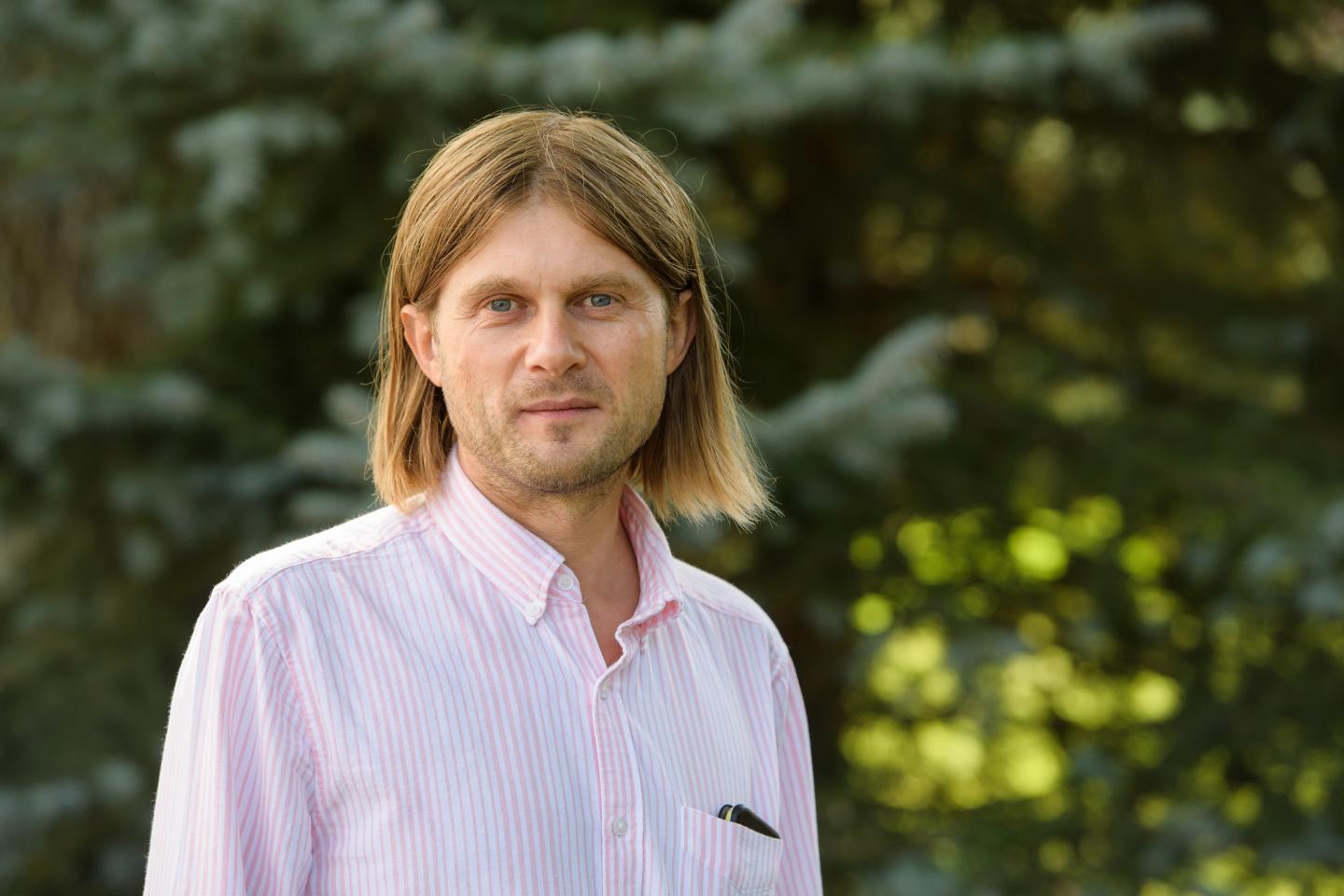
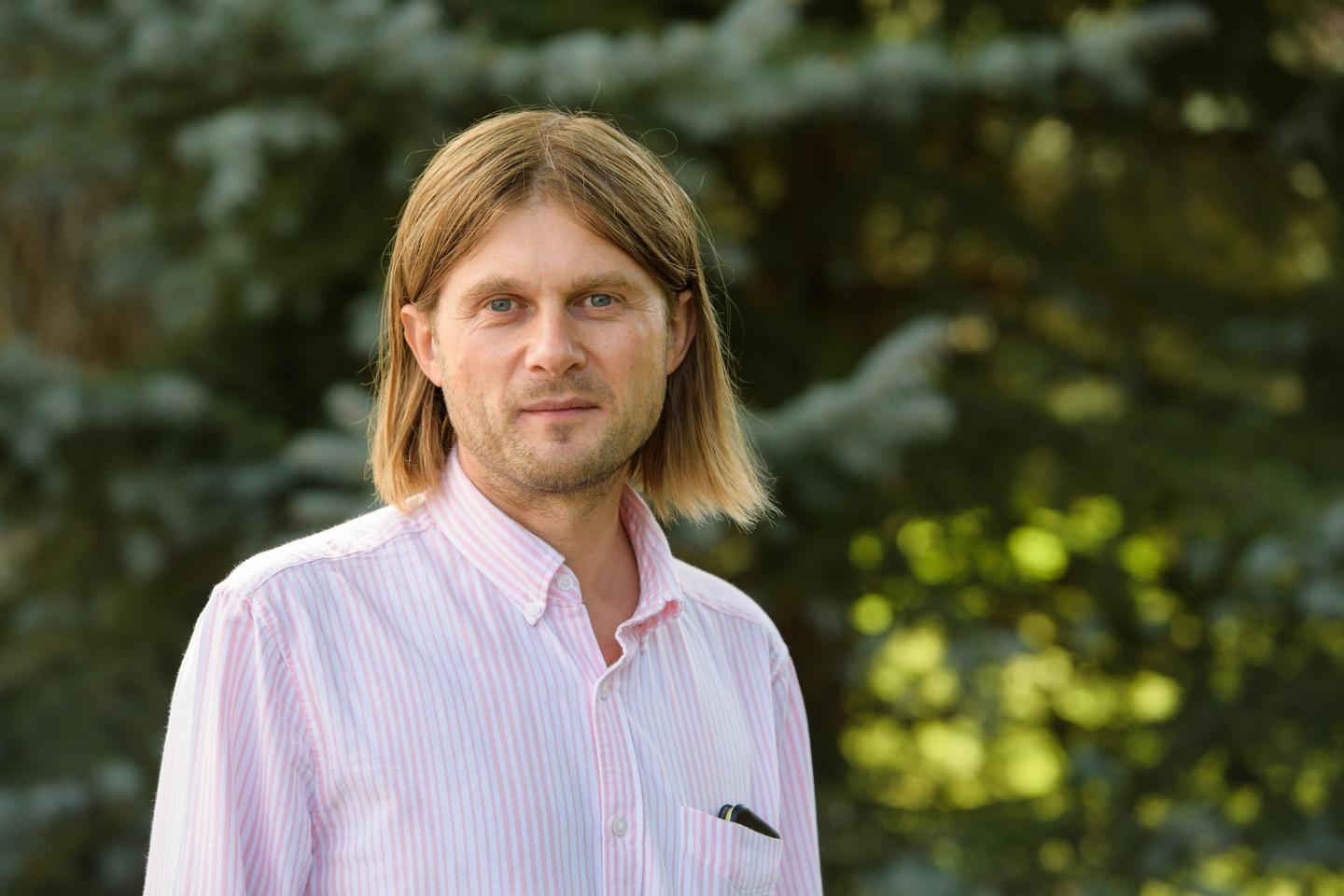
IMAGE

Credit: Robert Hubner, WSU Photo Services

To keep pace with the fast-evolving study of cellular plant science, an international team of researchers has created terminology and definitions likely to become everyday language in laboratories and university classrooms worldwide.

Directed by plant cell biologist Andrei Smertenko of Washington State University, the group of 22 scientists developed a glossary of terms that puts scientists — ranging from plant biologists and botanists to biochemists — on the same page.

In a current article published in the journal Trends in Cell Biology, the authors put forth a lexicon that identifies certain structures and processes associated with the last phase of cell division in plants, called cytokinesis.

The rate of emerging ideas and insights related to cytokinesis was outpacing the language to convey them, said Smertenko.

"Certain cytokenetic structures and processes were being referred to by different words and with slightly different definitions. This was generating confusion among experts and students alike," he said.

Cytokinesis occurs when the parent cell builds a wall that separates the two daughter cells. Until now, no uniform vocabulary existed for the phragmoplast stage, when a scaffold-like structure forms to support construction of that wall, known as the cell plate.

"To foster further research in the field and ensure that students are taught correctly, we came up with exact words to convey precise meanings," Smertenko explained.

One of those words is "disk phragmoplast," which scientists had been calling by at least three different terms, he said.

The paper's authors, from countries including the United States, the Czech Republic, Greece and Japan, reached a consensus on 34 terms and definitions by exchanging numerous emails and talking by phone.

"We had long discussions with some heated debates. When you work on something so closely and get used to calling it by a certain term, letting go can be hard," Smertenko said.

A deeper understanding of cytokinesis could accelerate the breeding process in trees for production of materials that would substitute oil and natural gas. This approach would also reduce mounting pressure on existing natural forests and reduce carbon dioxide concentration in the atmosphere.

###

Media Contact

Andrei Smertenko
[email protected]
509-335-5795
@WSUNews

Washington State University

Share12Tweet8Share2ShareShareShare2

Related Posts

Study Finds Honey Bees’ Smell Senses Shift from Larvae to Adults

Study Finds Honey Bees’ Smell Senses Shift from Larvae to Adults

July 14, 2026
Genomic data reveal widespread hybridization and invasion history of saltcedar

Genomic data reveal widespread hybridization and invasion history of saltcedar

July 14, 2026

Sinkholes shield endangered trees but impose evolutionary risks, study finds

July 14, 2026

Enhancing bacteria to accelerate environmental cleanup processes

July 14, 2026
Please login to join discussion

POPULAR NEWS

  • New Drug Candidate Developed at McMaster Shows Potential for Treating Brain Cancer

    58 shares
    Share 23 Tweet 15
  • Detection of EDCs in Breast Milk and Infant Urine Up to Six Months Highlights Early Exposure Risks

    77 shares
    Share 31 Tweet 19
  • Experimental Therapy Simultaneously Destroys Prostate Tumor Cells and Reactivates Antitumor Immunity

    46 shares
    Share 18 Tweet 12
  • 高齢者の骨粗鬆症治療の持続性比較

    51 shares
    Share 20 Tweet 13

About

We bring you the latest biotechnology news from best research centers and universities around the world. Check our website.

Follow us

Recent News

Study Finds Honey Bees’ Smell Senses Shift from Larvae to Adults

First Space Diagnostic X-rays Signal a New Era for Astronaut Health

SwRI and SMU to Create AI Controller for Multi-Modal Microgrids, Storage

Subscribe to Blog via Email

Enter your email address to subscribe to this blog and receive notifications of new posts by email.

Join 85 other subscribers
  • Contact Us

Bioengineer.org © Copyright 2023 All Rights Reserved.

Welcome Back!

Login to your account below

Forgotten Password?

Retrieve your password

Please enter your username or email address to reset your password.

Log In
No Result
View All Result
  • Homepages
    • Home Page 1
    • Home Page 2
  • News
  • National
  • Business
  • Health
  • Lifestyle
  • Science

Bioengineer.org © Copyright 2023 All Rights Reserved.