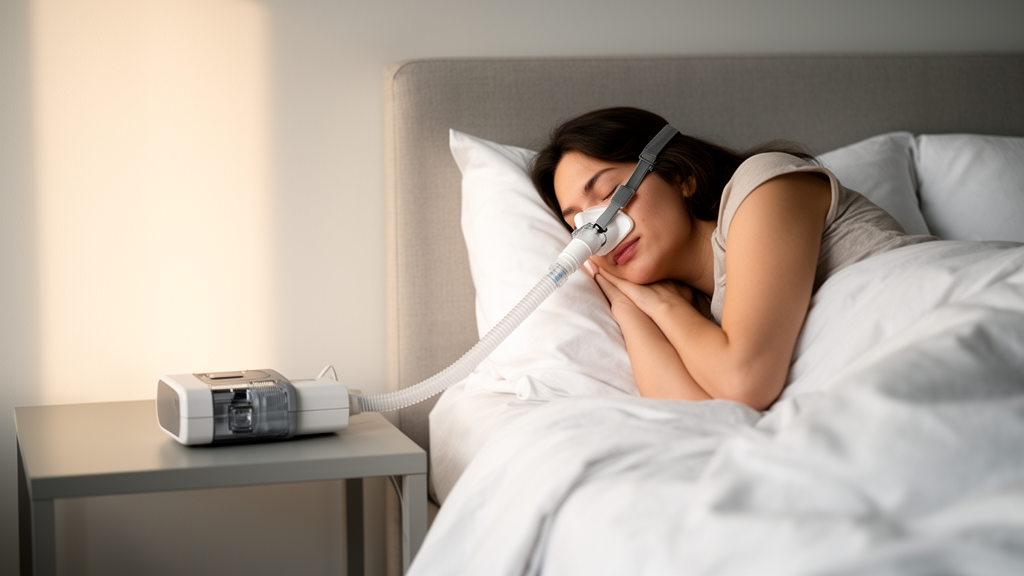
Obstructive sleep apnea represents one of the most widespread chronic noncommunicable disorders in modern medicine, impacting an estimated 936 million adults aged 30 to 69 years across the globe. Population-based epidemiological investigations across multiple continents demonstrate that this vast global burden is propelled by demographic aging, rising obesity prevalence, and lifestyle changes linked to socioeconomic development. Regional surveys underscore the widespread and heterogeneous distribution of the disorder, documenting adult prevalence estimates between 23 and 28 percent in China, 13 and 19 percent in India, and up to 32 percent in Brazil. Beyond fragmented sleep, untreated obstructive sleep apnea causes substantial multisystem damage, contributing to cardiovascular and metabolic morbidity, neurocognitive impairment, diminished daytime productivity, and heightened risks of motor vehicle and occupational accidents. Despite its severe consequences, the condition remains extensively underdiagnosed worldwide. To address this persistent gap, an international multidisciplinary group of clinicians and researchers has established the Global Initiative for Obstructive Sleep Apnea, an implementation-focused framework designed to harmonize clinical care and health policy across diverse global systems.
Severe inequities define current access to diagnosis and clinical therapy across differing economic environments. In affluent high-income countries, patients increasingly access sophisticated laboratory polysomnography, portable home sleep apnea testing, and novel digital health tools alongside diverse treatment modalities. However, rapid technological deployment has introduced contrasting clinical concerns, such as the potential overdiagnosis of mild obstructive sleep apnea of uncertain clinical significance among asymptomatic individuals. Conversely, low- and middle-income countries face structural hurdles including scarce specialized facilities, severe shortages of qualified personnel, and nonexistent or insufficient reimbursement coverage, which heavily restrict diagnostic testing and long-term management. These access gaps also exist intranationally, penalizing rural and socially disadvantaged communities within wealthy nations. In many low-resource regions, polysomnography services exist only in isolated tertiary centers, generating prolonged waiting lists, extensive travel demands, and excessive out-of-pocket expenses. This profound divide emphasizes the urgent requirement for care strategies that guarantee diagnostic appropriateness, clinical equity, and context-adapted delivery models.
From a health systems and economic perspective, obstructive sleep apnea imposes an immense financial toll that remains poorly integrated into broader policy planning. Mechanistic and epidemiological links connect untreated sleep apnea directly to severe cardiovascular diseases and metabolic disorders. Epidemiological reviews document that untreated sleep apnea produces approximately 2.5-fold higher overall healthcare expenditures compared with individuals without the condition. Annual per-patient costs vary substantially across jurisdictions, ranging from approximately 236 euros in New Zealand to between 1,669 euros and 5,186 euros across European nations, and exceeding 28,000 euros in the United States. Furthermore, population-based studies uncover clinically significant disease prevalence exceeding 7.5 percent even within communities traditionally considered low-risk cohorts. Despite these substantial economic and clinical figures, sleep-disordered breathing continues to receive limited attention within national noncommunicable disease agendas, particularly across developing regions. This policy omission highlights the urgent necessity of positioning sleep health as a central priority within national healthcare financing and chronic disease frameworks.
The persistence of these systemic gaps stems largely from the fragmented nature of past clinical and preventive initiatives. Most countries have relied on locally drafted guidelines or regional expert consensus statements adapted to specific local circumstances. While regionally tailored approaches are valuable, the lack of an overarching global structure has generated considerable variability in clinical practices, diagnostic criteria, and management thresholds, which severely limits the comparability of patient outcomes between nations. The experience of major chronic respiratory programs, including the Global Initiative for Asthma and the Global Initiative for Chronic Obstructive Lung Disease, proves that internationally endorsed, evidence-based recommendations can successfully elevate disease awareness, standardize clinical guidelines, and inform governmental policy. Nonetheless, recent critical evaluations indicate that these established respiratory initiatives encountered ongoing barriers in achieving equitable care, ensuring widespread diagnostic access, and securing affordable medications in resource-limited countries. Incorporating these valuable lessons, GIFOSA was conceived to transcend static guideline authoring by pairing scientific evidence with actionable implementation toolkits, local adaptability, and targeted equity initiatives.
Organized as an independent, non-profit, multidisciplinary, and international entity, GIFOSA operates through a robust governance framework designed to ensure transparency, credibility, and widespread representation. Its central leadership consists of an international executive board featuring specialists across sleep medicine, sleep surgery, pulmonology, cardiology, neurology, public health, otolaryngology, and dental sleep medicine. Because craniofacial anatomy and upper airway collapsibility play vital roles in the pathophysiology of obstructive sleep apnea, surgical and dental disciplines are formally integrated within this leadership structure. The organizational framework includes thematic working groups dedicated to diagnostics, therapeutics, digital health, and public health, working alongside regional advisory panels that provide localized operational perspectives. Supported currently through voluntary academic collaboration and institutional support, GIFOSA plans to transition toward a diversified funding model incorporating educational program support and structured implementation resources while enforcing rigorous conflict-of-interest standards. By collaborating closely with national societies and global bodies like the World Sleep Society, GIFOSA functions as an enabling coordinator rather than a competing authority.
Under its first strategic pillar, GIFOSA establishes global clinical and scientific foundations for care by modernizing traditional diagnostic conventions and severity assessments. A fundamental goal of this scientific framework is moving clinical decision-making beyond exclusive reliance on the apnea-hypopnea index as a single isolated metric of disease severity. Emerging research demonstrates substantial heterogeneity in underlying pathophysiology, highlighting the necessity of clinical phenotyping and physiological endotyping. Novel metrics, including cumulative hypoxic burden, sleep arousal intensity, and composite clinical scores integrating patient symptoms and comorbid vascular risks, have shown superior precision in forecasting cardiovascular complications and treatment responses. Although these advanced physiological parameters await universal standardization across routine practice, GIFOSA supports their progressive adoption as evidentiary support expands. For settings where full laboratory polysomnography is unavailable, the initiative promotes scalable diagnostic strategies that match clinical risk with available healthcare resources, combining validated screening questionnaires, home sleep apnea testing, and structured stepwise referral models connecting primary care providers with sleep specialists.
The second strategic pillar concentrates on workforce development and knowledge transfer, aiming to build clinical capacity in areas where sleep medicine infrastructure remains sparse. Because sustainable improvements in global care depend on trained personnel, GIFOSA fosters multidisciplinary training programs involving pulmonologists, sleep specialists, cardiologists, neurologists, otolaryngologists, maxillofacial surgeons, dentists, myofunctional therapists, and primary care practitioners. These educational initiatives align with existing fellowship curricula and capacity mapping projects rather than creating duplicative training frameworks, thereby promoting international recognition of clinical competencies while preserving local adaptation. The initiative strongly encourages the establishment of regional centers of excellence to serve as focal points for professional training, collaborative investigations, and clinical mentorship. Recognizing that resource-intensive diagnostic algorithms remain impractical for many healthcare systems, GIFOSA emphasizes simplified, evidence-informed care pathways adapted to low-resource settings. This pragmatic approach prioritizes task-sharing models, streamlined clinical workflows, and operational feasibility over theoretical complexity, expanding diagnostic and treatment capabilities within primary care environments worldwide.
Person-centered management and long-term therapeutic adherence represent the third strategic pillar of GIFOSA, recognizing that obstructive sleep apnea requires sustained engagement between patients and healthcare providers. While continuous positive airway pressure remains the cornerstone therapy for moderate-to-severe disease, poor adherence remains a major global challenge governed by mask comfort, cultural perceptions, and system support. Consequently, effective management requires structured education, behavioral support, and continuous monitoring. Concurrently, the therapeutic landscape is expanding through pharmacological treatments and non-device alternatives. The recent approval of tirzepatide for moderate-to-severe sleep apnea with obesity represents a notable advance, with clinical trials showing significant severity reductions and disease resolution in a proportion of patients at one year. Additionally, oral appliance therapy, positional therapy, and hypoglossal nerve stimulation provide effective alternatives for selected populations. Surgical interventions, guided by drug-induced sleep endoscopy and functional anatomical phenotyping, encompass distraction osteogenesis maxillary expansion, tissue-preserving palatopharyngoplasty, and maxillomandibular advancement, reinforcing the value of personalized, multimodal care.
Under its fourth strategic pillar, GIFOSA embeds sleep apnea management within population-level prevention and health policy agendas. Because sleep-disordered breathing shares common risk pathways with obesity, cardiovascular disorders, and metabolic disease, incorporating screening into chronic noncommunicable disease programs offers a practical pathway to improve public health impact. However, the initiative cautions that universal population-wide screening lacks evidentiary backing and could create clinical bottlenecks without adequate downstream diagnostic and therapeutic capacity. Instead, GIFOSA champions risk-based, context-sensitive case finding targeted at high-risk individuals within primary care and cardiometabolic clinics. Parallel technological advances, including artificial intelligence-assisted diagnostic scoring across oximetry and airflow signals, wearable monitoring devices, and telemedicine systems, offer substantial potential for decentralized longitudinal care. Nevertheless, GIFOSA emphasizes that digital health tools and low-cost positive airway pressure machines must be integrated into standardized clinical pathways with robust regulatory oversight, ensuring that technological progress narrows rather than widens existing disparities between resource-rich and resource-limited health systems.
To guarantee accountability and translate its strategic pillars into measurable results, GIFOSA establishes a phased implementation roadmap coupled with comprehensive monitoring indicators. The initiative outlines core metrics evaluating diagnostic access per population, workforce training numbers, therapy adherence rates, and policy integration within national noncommunicable disease surveillance registries. During its initial two-year phase, GIFOSA prioritizes publishing an international consensus statement on standardized definitions and releasing practical clinical toolkits. Over the subsequent three to five years, the initiative plans to launch regional implementation pilot programs, expand international training networks, and build shared data platforms to harmonize global sleep research. Beyond five years, efforts will focus on embedding sleep health into governmental health policies and updating clinical guidance. Furthermore, the initiative emphasizes incorporating pediatric sleep apnea considerations—including adenotonsillar hypertrophy, craniofacial growth modification, and maxillary expansion—alongside structured patient advocacy involvement to ensure that future care models remain responsive, equitable, and sustainable across diverse global populations.
Subject of Research: Global strategic framework and implementation priorities for obstructive sleep apnea care
Article Title: The Global Initiative for Obstructive Sleep Apnea (GIFOSA): Rationale, Strategic Framework, and Call to Action
Article References: Duong-Quy, S., Chirakalwasan, N., Desudchit, T., Liu, S. Y.-C., Chai, L. L., Dang-Vu, T. T., Kadotani, H., Kim, S.-H., Yang, H. C., Dizon, R. V., Gupta, R., Widysanto, A., Rashid, R. B. A., Yeow, Y. Y., Cui, J., Al-Abri, M. A., Jamil, M. G., Dhafar, H., Amra, B., … Kushida, C. (2026). The Global Initiative for Obstructive Sleep Apnea (GIFOSA): Rationale, Strategic Framework, and Call to Action. Pulmonary Therapy. https://doi.org/10.1007/s41030-026-00386-7
Image Credits: AI Generated
DOI: 10.1007/s41030-026-00386-7
Keywords: obstructive sleep apnea, GIFOSA, polysomnography, home sleep apnea testing, continuous positive airway pressure, apnea-hypopnea index, cardiometabolic disease, sleep-disordered breathing, tirzepatide, hypoxic burden, drug-induced sleep endoscopy, hypoglossal nerve stimulation, maxillomandibular advancement, noncommunicable diseases, task-sharing healthcare, pediatric sleep apnea, digital sleep medicine, global health disparities
News Source: Ophelia Keating. (November 24, 2026). Global Framework Targets Obstructive Sleep Apnea Affecting Nearly One Billion Adults. Scienmag.