


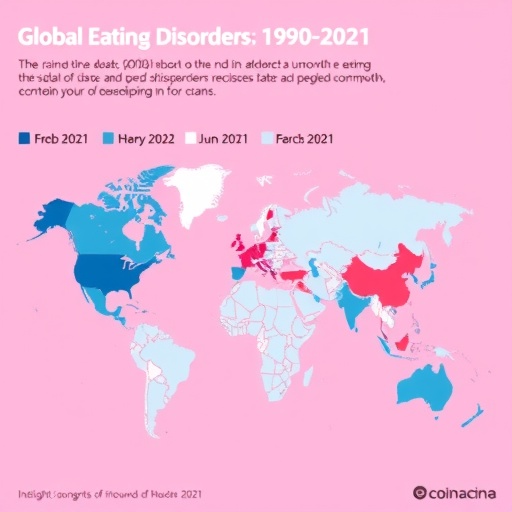
Eating disorders have emerged as a significant public health concern, transcending cultural boundaries and affecting millions globally. The recently published study by Shen et al. (2025) delves into the staggering global, regional, and national burden of eating disorders, encapsulating data from 1990 to 2021. This groundbreaking research, showcased through the Global Burden of Disease Study 2021, illuminates the pervasive impacts of conditions such as anorexia nervosa, bulimia nervosa, and binge-eating disorder across 204 countries and territories. The findings reveal a complex interplay between socio-economic factors, cultural attitudes towards body image, and the accessibility of mental health care, which collectively shape the landscape of eating disorders.
In the contemporary world, where social media plays a prominent role in shaping perceptions of beauty and self-worth, the surge in eating disorders has been alarmingly notable. Shen and colleagues highlight that the rise in cases is not merely a matter of personal struggle; it reflects broader societal issues. The study uncovers statistical trends indicating that younger generations are disproportionately affected, with higher prevalence rates observed among adolescents and young adults. This trend underscores the urgency for preventative measures, educational programs, and mental health resources aimed at nurturing healthier relationships with food and body image.
The research dissects the epidemiological patterns associated with eating disorders, illustrating a nuanced picture of how these conditions vary in prevalence and severity across different regions. For instance, high-income countries, often characterized by greater media influence and societal pressures regarding appearance, report significantly higher rates of cases compared to low-income nations. However, the study also reveals a concerning increase in reported cases in regions traditionally thought to be less affected by Western beauty standards, such as parts of Asia and Africa. This expansion demonstrates the global reach of eating disorders, influenced by a confluence of globalization and cultural exchange.
Moreover, Shen et al. emphasize that eating disorders often co-occur with other mental health conditions, including anxiety and depression. This co-morbidity complicates treatment and recovery, as individuals face multiple, intertwined challenges that exacerbate their suffering. The findings indicate a pressing need for integrated treatment approaches that not only focus on the eating disorder itself but also address accompanying psychological issues. The authors advocate for a holistic model of care that offers support across various aspects of an individual’s life, enhancing the chances of recovery.
Access to mental health care is identified as a critical area influencing the burden of eating disorders. The study reveals stark disparities in healthcare availability and quality across different nations, with many individuals lacking access to essential services. This gap highlights the necessity for targeted policies that promote mental health resources in underserved areas, ensuring that vulnerable populations can receive timely and effective interventions. Furthermore, the importance of early detection and intervention cannot be overstated; strategies must be devised to identify at-risk individuals before disorders escalate and become entrenched.
The data collected between 1990 and 2021 also illustrate shifts in the perception and treatment of eating disorders over time. Social stigma has historically hindered many from seeking help, yet growing awareness campaigns are slowly changing the narrative around mental health. Community-based initiatives featuring education and outreach programs aim to dismantle harmful stereotypes surrounding eating disorders. As the study suggests, fostering an environment where open discussions about mental health are commonplace can substantially reduce stigma and encourage individuals to seek support.
Furthermore, while the study elucidates the alarming statistics around eating disorders, it also underscores the resilience of individuals battling these challenges. The narratives of recovery and growth not only inspire hope but also highlight the importance of supportive networks, be it through family, friends, or professional help. Stories of triumph against the odds remind us that recovery is often a winding but achievable journey, and individuals are capable of rebuilding their relationships with food and their bodies.
Public health initiatives must also adapt to the evolving landscape of eating disorders. As technology continues to influence societal behaviors and beliefs, new strategies must be developed to combat the rising tide of disorders exacerbated by digital media. Shen et al.’s analysis suggests that action is required on multiple fronts, including preventive measures in schools, community programs, and policy changes that address underlying mental health issues. The integration of mental health education within school curricula could foster resilience in young people, equipping them with the tools to navigate a world rife with pressures regarding appearance.
In conclusion, the groundbreaking study by Shen et al. unfurls a comprehensive examination of the global burden of eating disorders, highlighting critical trends and implications for public health. The urgency for action is clear; a multi-faceted approach embracing prevention, treatment, education, and societal change is essential to address this growing epidemic. By fostering environments that promote mental well-being and challenge harmful perceptions, communities can pave the way for healthier futures, ultimately reducing the burden of eating disorders for generations to come.
With the findings of this research resonating with various stakeholders, from healthcare providers to policy-makers, there lies a collective responsibility to act. By prioritizing mental health in discussions surrounding eating disorders, we may initiate significant shifts in how society perceives and treats these conditions. Thus, the study is a clarion call for increased awareness, understanding, and action—ensuring that no individual feels alone in their struggles and that pathways to recovery remain open.
Subject of Research: Burden of eating disorders globally, regionally, and nationally from 1990 to 2021.
Article Title: Global, regional, and national burden of eating disorders in 204 countries and territories, 1990–2021: findings from the Global Burden of Disease Study 2021.
Article References:
Shen, Y., Chen, B., Zhang, H. et al. Global, regional, and national burden of eating disorders in 204 countries and territories, 1990–2021: findings from the Global Burden of Disease Study 2021.
J Eat Disord (2025). https://doi.org/10.1186/s40337-025-01492-8
Image Credits: AI Generated
DOI: 10.1186/s40337-025-01492-8
Keywords: eating disorders, global burden of disease, mental health, anorexia nervosa, bulimia nervosa, binge-eating disorder, socio-economic factors.
Tags: adolescent mental health and eating disordersanorexia nervosa prevalence worldwidebinge-eating disorder trendsbulimia nervosa impact on youthcultural attitudes towards body imageeating disorders statistics 1990-2021educational programs on body imageglobal burden of eating disordersmental health care accessibilitypreventative measures for eating disorderssocial media influence on eating disorderssocio-economic factors in eating disorders



