• HOME
  • NEWS
  • EXPLORE
    • CAREER
      • Companies
      • Jobs
    • EVENTS
    • iGEM
      • News
      • Team
    • PHOTOS
    • VIDEO
    • WIKI
  • BLOG
  • COMMUNITY
    • FACEBOOK
    • INSTAGRAM
    • TWITTER
Sunday, May 10, 2026
BIOENGINEER.ORG
No Result
View All Result
  • Login
  • HOME
  • NEWS
  • EXPLORE
    • CAREER
      • Companies
      • Jobs
        • Lecturer
        • PhD Studentship
        • Postdoc
        • Research Assistant
    • EVENTS
    • iGEM
      • News
      • Team
    • PHOTOS
    • VIDEO
    • WIKI
  • BLOG
  • COMMUNITY
    • FACEBOOK
    • INSTAGRAM
    • TWITTER
  • HOME
  • NEWS
  • EXPLORE
    • CAREER
      • Companies
      • Jobs
        • Lecturer
        • PhD Studentship
        • Postdoc
        • Research Assistant
    • EVENTS
    • iGEM
      • News
      • Team
    • PHOTOS
    • VIDEO
    • WIKI
  • BLOG
  • COMMUNITY
    • FACEBOOK
    • INSTAGRAM
    • TWITTER
No Result
View All Result
Bioengineer.org
No Result
View All Result
Home NEWS Science News Chemistry

Genome sequencing reveals a new species of bumblebee

Bioengineer by Bioengineer
April 7, 2021
in Chemistry
Reading Time: 2 mins read
0
IMAGE
Share on FacebookShare on TwitterShare on LinkedinShare on RedditShare on Telegram

IMAGE

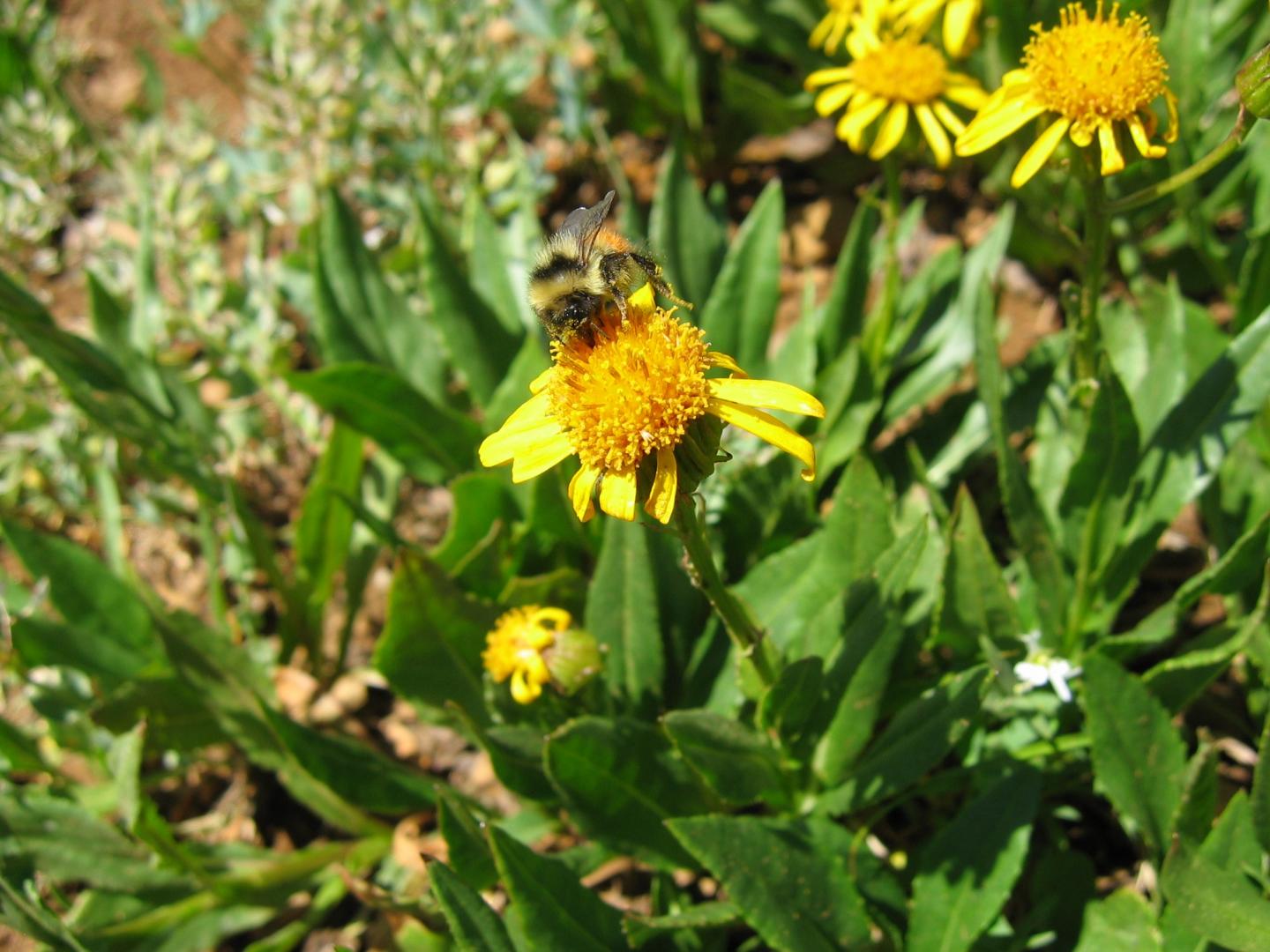
Credit: Jennifer Geib

While studying genetic diversity in bumblebees in the Rocky Mountains, USA, researchers from Uppsala University discovered a new species. They named it Bombus incognitus and present their findings in the journal Molecular Biology and Evolution.

Bumblebees are vital for agriculture and the natural world due to their role in plant pollination. There are more than 250 species of bumblebee, and they are found mainly in northern temperate regions of the planet. Alarmingly, many species are declining due to the effects of climate change, and those with alpine and arctic habitats are particularly threatened. However, the full diversity of bumblebee species in these environments is still unknown.

Matthew Webster’s research group at Uppsala University, together with colleagues in the USA, studied genetic diversity in bumblebees in the Rocky Mountains, Colorado by collecting hundreds of samples and sequencing their genomes. Surprisingly, the data revealed the presence of a new species, which was indistinguishable in appearance to the species Bombus sylvicola, but clearly distinct at the genetic level. The authors named this species Bombus incognitus.

By comparing the genomes of Bombus sylvicola and Bombus incognitus, the team were able to learn about how this new species formed. They found signals consistent with gene flow between the species during their evolution. They also identified parts of chromosomes that are incompatible between species, which act as genetic barriers to gene flow and were likely important in causing the species to separate.

These results indicate that the number of bumblebee species in arctic and alpine environments may be larger than previously thought. It is possible that mountainous terrain is conducive to speciation. Cold-adapted populations could become isolated at high altitudes during periods of warming in their evolutionary history, leading to the formation of new species. It is also possible that additional genome sequencing of bumblebees will reveal even more cryptic species that have so far gone undetected.

###

Media Contact
Matthew Webster
[email protected]

Original Source

https://www.uu.se/en/press/press-release/?id=5466&typ=pm&lang=en

Related Journal Article

http://dx.doi.org/10.1093/molbev/msab086

Tags: BiochemistryBiodiversityBiologyEntomologyGeneticsMicrobiology
Share12Tweet8Share2ShareShareShare2

Related Posts

Miniature Sensor Uses Light to Detect Touch — Chemistry

Miniature Sensor Uses Light to Detect Touch

May 8, 2026
Iron Minerals Determine Whether Dissolved Organic Matter Fuels Microbes or Becomes Long-Term Carbon Storage — Chemistry

Iron Minerals Determine Whether Dissolved Organic Matter Fuels Microbes or Becomes Long-Term Carbon Storage

May 8, 2026

Kate Evans Appointed Associate Lab Director for Biological and Environmental Systems Science at ORNL

May 8, 2026

Advancing Multiscale Modeling and Overcoming Operational Challenges in Autothermal COâ‚‚-to-Methanol Reactors

May 8, 2026
Please login to join discussion

POPULAR NEWS

  • Research Indicates Potential Connection Between Prenatal Medication Exposure and Elevated Autism Risk

    840 shares
    Share 336 Tweet 210
  • New Study Reveals Plants Can Detect the Sound of Rain

    727 shares
    Share 290 Tweet 181
  • Scientists Investigate Possible Connection Between COVID-19 and Increased Lung Cancer Risk

    68 shares
    Share 27 Tweet 17
  • Salmonella Haem Blocks Macrophages, Boosts Infection

    61 shares
    Share 24 Tweet 15

About

We bring you the latest biotechnology news from best research centers and universities around the world. Check our website.

Follow us

Recent News

Evaluating Digoxin Use in Patients with Symptomatic Rheumatic Heart Disease

Evaluating the Effectiveness and Safety of Digitalis Glycosides in Treating Heart Failure

Urdu Fall Risk Questionnaire Adapted for Elderly

Subscribe to Blog via Email

Enter your email address to subscribe to this blog and receive notifications of new posts by email.

Join 82 other subscribers
  • Contact Us

Bioengineer.org © Copyright 2023 All Rights Reserved.

Welcome Back!

Login to your account below

Forgotten Password?

Retrieve your password

Please enter your username or email address to reset your password.

Log In
No Result
View All Result
  • Homepages
    • Home Page 1
    • Home Page 2
  • News
  • National
  • Business
  • Health
  • Lifestyle
  • Science

Bioengineer.org © Copyright 2023 All Rights Reserved.