• HOME
  • NEWS
  • EXPLORE
    • CAREER
      • Companies
      • Jobs
    • EVENTS
    • iGEM
      • News
      • Team
    • PHOTOS
    • VIDEO
    • WIKI
  • BLOG
  • COMMUNITY
    • FACEBOOK
    • INSTAGRAM
    • TWITTER
Wednesday, May 20, 2026
BIOENGINEER.ORG
No Result
View All Result
  • Login
  • HOME
  • NEWS
  • EXPLORE
    • CAREER
      • Companies
      • Jobs
        • Lecturer
        • PhD Studentship
        • Postdoc
        • Research Assistant
    • EVENTS
    • iGEM
      • News
      • Team
    • PHOTOS
    • VIDEO
    • WIKI
  • BLOG
  • COMMUNITY
    • FACEBOOK
    • INSTAGRAM
    • TWITTER
  • HOME
  • NEWS
  • EXPLORE
    • CAREER
      • Companies
      • Jobs
        • Lecturer
        • PhD Studentship
        • Postdoc
        • Research Assistant
    • EVENTS
    • iGEM
      • News
      • Team
    • PHOTOS
    • VIDEO
    • WIKI
  • BLOG
  • COMMUNITY
    • FACEBOOK
    • INSTAGRAM
    • TWITTER
No Result
View All Result
Bioengineer.org
No Result
View All Result
Home NEWS Science News Biology

Genetics may lie at the heart of crop yield limitation

Bioengineer by Bioengineer
July 5, 2017
in Biology
Reading Time: 2 mins read
0
Share on FacebookShare on TwitterShare on LinkedinShare on RedditShare on Telegram
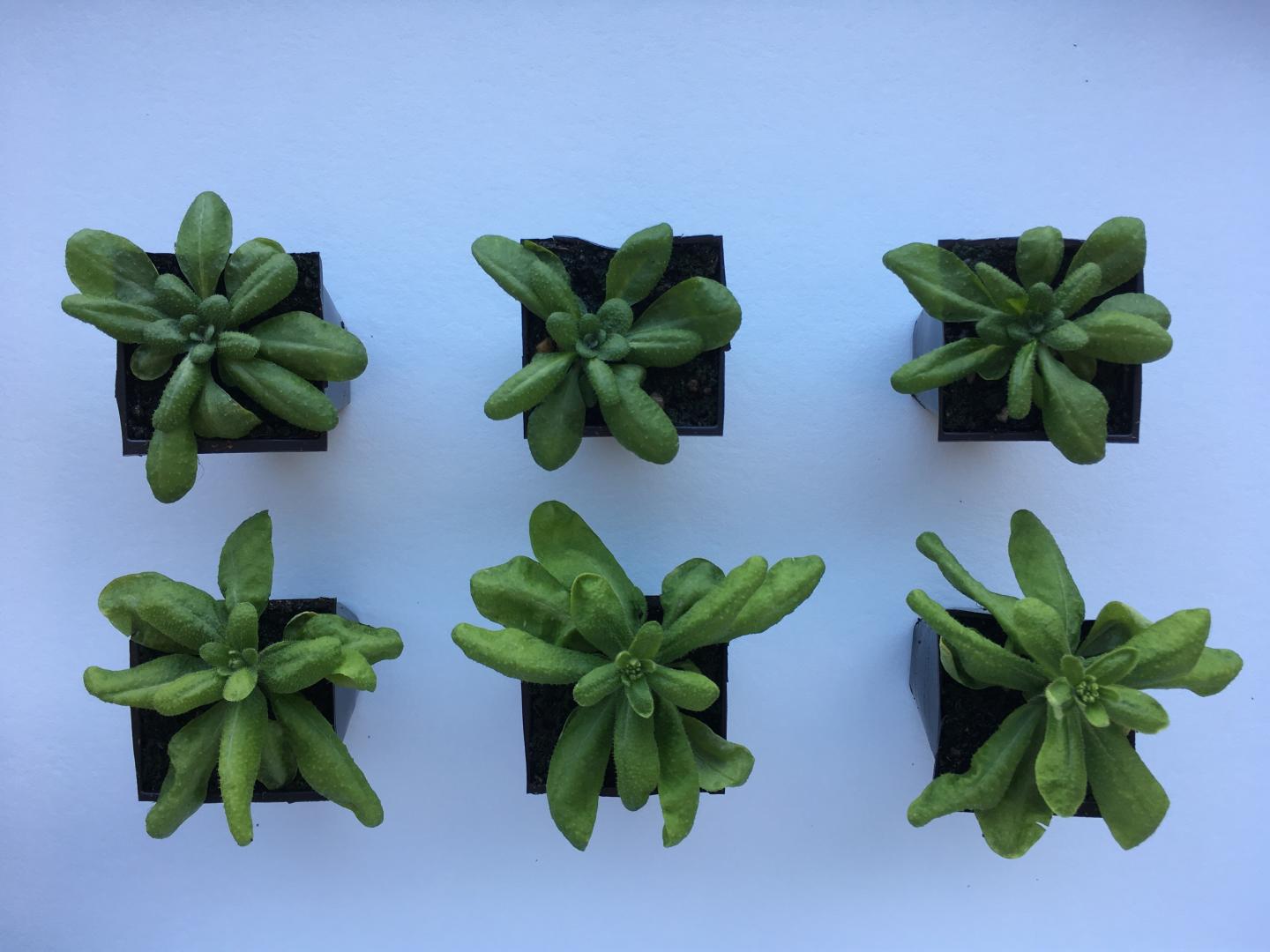
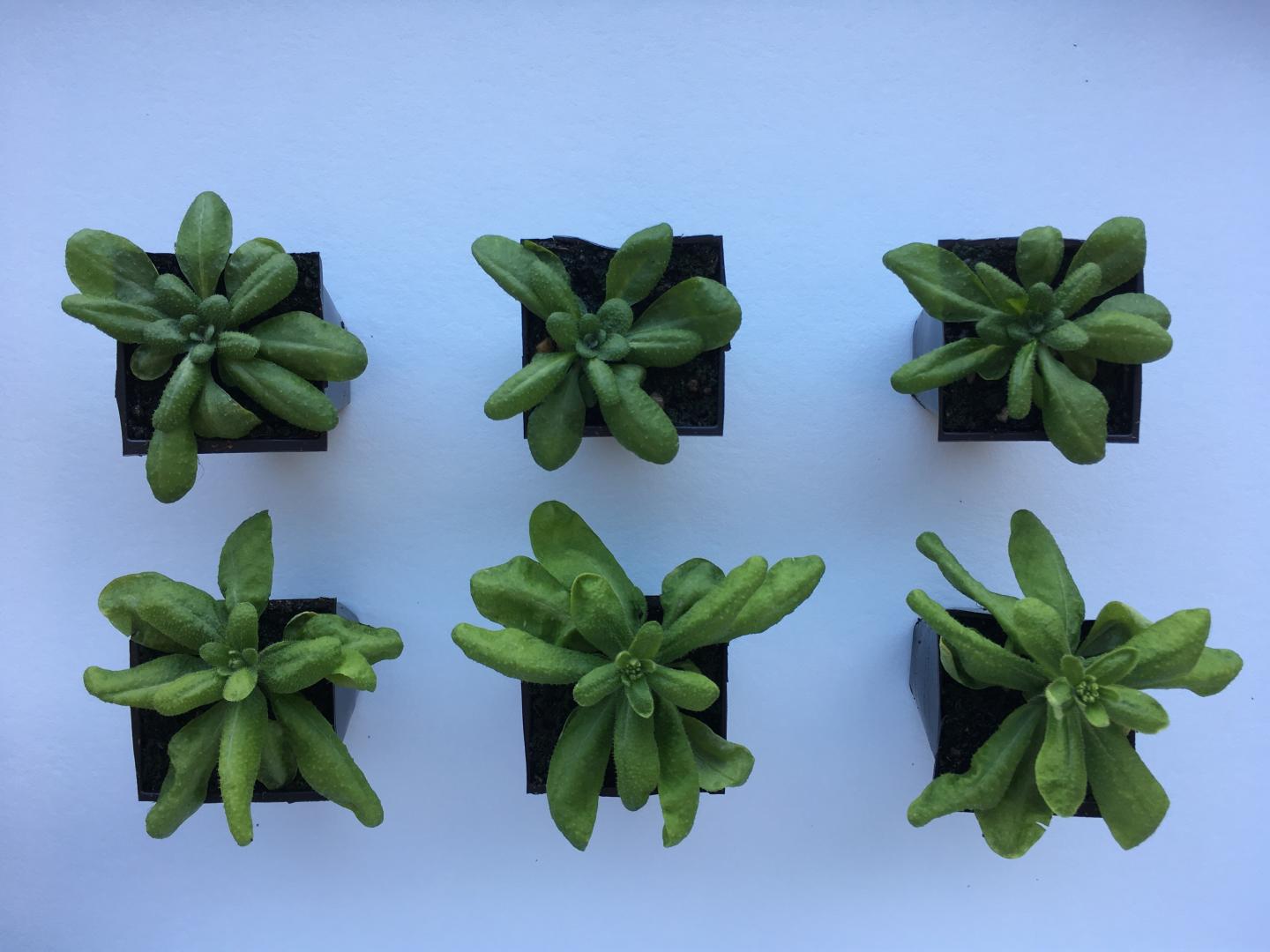
IMAGE

Credit: Dr Nick Pullen

You might think that plants grow according to how much nutrition, water and sunlight they are exposed to, but new research by Dr Nick Pullen and a team from the John Innes Centre, UK shows that the plant's own genetics may be the real limiting factor.

"This could have potentially big implications for the agricultural industry," says Dr Pullen, "Our model plant is in the same family as cabbages, so it's easy to imagine creating giant cabbages or growing them to the desired market size faster than at present."

It was previously assumed that plant growth was generally resource-limited, meaning that plants would only grow as large and fast as they could photosynthesise. However, Dr Pullen and his team present evidence that plant growth is actually "sink-limited", meaning that genetic regulation and cell division rates have a much bigger role in controlling plant growth than previously thought: "We are proposing that plant growth is not physically limited by Net Primary Productivity (NPP) or the environment, but instead is limited genetically in response to these signals to ensure they do not become limiting."

By genetically altering the growth repressors in Arabidopsis, Dr Pullen and his team were able to create mutant strains. They identified the metabolic rates of the different plant strains by measuring rates of photosynthesis and respiration, as well as comparing the size and weight of the plants to monitor differences in physical growth.

Dr Pullen and the team also grew the mutant plant strains at different temperatures to see if this changed their results: "When grown at different temperatures we still find a difference in size of our plants between wildtype and the mutants. This suggests our results should be applicable in different climates."

The impact of these results is wide-reaching, and Dr Pullen suggests that it may even change how we think about global climate data: "Climate models need to incorporate genetic elements because at present most do not, and their predictions would be much improved with a better understanding of plant carbon demand."

###

Media Contact

Alex Evans
[email protected]
44-752-775-4615

http://www.sebiology.org

############

Story Source: Materials provided by Scienmag

Share12Tweet8Share2ShareShareShare2

Related Posts

Thousands of UK Beekeepers Contribute Honey to Advance Environmental Science — Biology

Thousands of UK Beekeepers Contribute Honey to Advance Environmental Science

May 20, 2026
New Fossil Finds in Northwest Canada Transform Understanding of Early Animal Evolution — Biology

New Fossil Finds in Northwest Canada Transform Understanding of Early Animal Evolution

May 20, 2026

Cows Can Recognize Familiar Human Faces, New Study Reveals

May 20, 2026

Scientists Harness Quantum Mathematics to Unlock the Secrets of the Emotional Mind

May 20, 2026
Please login to join discussion

POPULAR NEWS

  • blank

    New Study Reveals Plants Can Detect the Sound of Rain

    733 shares
    Share 292 Tweet 183
  • Research Indicates Potential Connection Between Prenatal Medication Exposure and Elevated Autism Risk

    846 shares
    Share 338 Tweet 212
  • ESMO 2025: mRNA COVID Vaccines Enhance Efficacy of Cancer Immunotherapy

    299 shares
    Share 120 Tweet 75
  • Breastmilk Balances E. coli and Beneficial Bacteria in Infant Gut Microbiomes

    58 shares
    Share 23 Tweet 15

About

We bring you the latest biotechnology news from best research centers and universities around the world. Check our website.

Follow us

Recent News

AI and Single-Cell Insights into Endometriosis

CCHFV GP38 and GP85 Bind Cell-Surface Glycosaminoglycans

Machine Learning Reveals Drivers of Elderly Care Use

Subscribe to Blog via Email

Enter your email address to subscribe to this blog and receive notifications of new posts by email.

Join 82 other subscribers
  • Contact Us

Bioengineer.org © Copyright 2023 All Rights Reserved.

Welcome Back!

Login to your account below

Forgotten Password?

Retrieve your password

Please enter your username or email address to reset your password.

Log In
No Result
View All Result
  • Homepages
    • Home Page 1
    • Home Page 2
  • News
  • National
  • Business
  • Health
  • Lifestyle
  • Science

Bioengineer.org © Copyright 2023 All Rights Reserved.