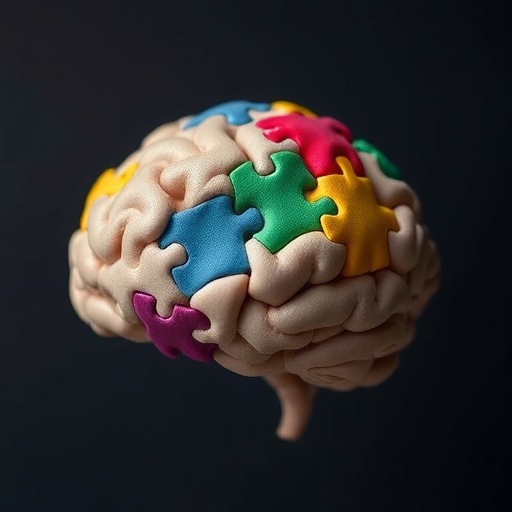
Recent research has shed light on a crucial genetic link between variants of the GRIK1 gene and the susceptibility to autism spectrum disorders (ASD) among Egyptian children. Autism, a complex neurodevelopmental condition, challenges families and healthcare providers worldwide. The study conducted by Bassiony, Baiomy, Ahmed, and their team not only identifies genetic markers associated with ASD but also emphasizes the need for further exploration into the genetic underpinnings of this pervasive disorder.
The research focuses on two specific genetic variants: GRIK1 rs363598 and intergenic rs360932. These have been identified as significant contributors to the risk of developing autism in the investigated population. The GRIK1 gene encodes a subtype of the glutamate receptor, which plays a vital role in synaptic transmission and neuronal communication. Glutamate is the primary excitatory neurotransmitter in the brain, and its signalling pathways are crucial in neurodevelopment. The relationship between glutamate receptors and neurodevelopmental disorders positions this study at the intersection of genetics and neurobiology.
As the prevalence of autism continues to rise globally, understanding the genetic factors contributing to ASD is crucial for diagnosis, intervention, and future research. Previous studies have established various environmental and genetic factors that contribute to the disorder, yet the specific pathways remain largely unclear. This research not only fortifies the genetic angle but also sets a precedent for emphasizing the importance of population-specific studies in the field of autism genetics. The Egyptian context offers a unique demographic perspective, paving the way for tailored approaches to diagnosis and care.
In essence, the findings of the study will likely have significant implications for genetic screening and counseling in Egypt and possibly in other regions with similar genetic backgrounds. Early identification of those at risk could lead to timely interventions, which are crucial for positive developmental outcomes. The ability to identify children at risk based on genetic markers would revolutionize the approach to autism care in affected families, potentially reducing long-term costs and improving quality of life.
Moreover, understanding these genetic susceptibilities might fuel further research into effective therapeutic strategies. If specific variants can be linked to particular manifestations of ASD, it could lead to targeted interventions tailored to individual genetic profiles. As researchers unravel the genetic complexities surrounding autism, the possibility of precision medicine becomes more achievable. This transition from a one-size-fits-all model to personalized treatment plans could mark a significant evolution in autism care.
Aside from the immediate implications of the findings, the study reiterates the importance of collaborative research efforts in the field of genetic epidemiology. As autism research becomes increasingly interdisciplinary, integrating insights from genetics, psychology, and neurology may unveil novel approaches to understanding and treating ASD. The collaborative approach taken in this research reflects the need for diverse expertise in unraveling complex disorders that affect millions worldwide.
Furthermore, the implications of the study extend into public health domains. By highlighting specific genetic indicators, health policymakers may prioritize resources towards genetic testing and screening, which could reshape healthcare strategies at community and national levels. The pathway forward could involve not only further research but also crafting policies geared towards education, awareness, and support for families dealing with autism.
It is essential to recognize that while genetic predisposition plays a crucial role, environmental factors also contribute significantly to autism risk. Future research should aim to explore the interplay between genetic markers and environmental influences, as this dual focus may provide a more comprehensive understanding of autism’s etiology. Such integrative research would create a holistic picture of factors contributing to autism, enabling tailored intervention strategies.
As the scientific community makes strides in the field of genetics, it becomes increasingly important to engage with ethical considerations surrounding genetic research, particularly concerning vulnerable populations. Ensuring informed consent and understanding potential discrimination based on genetic profiles are paramount in conducting research with the utmost ethical integrity. The focus on an Egyptian cohort adds another layer of ethical responsibility, necessitating culturally sensitive approaches to research.
The findings presented in this research open the door for a plethora of follow-up studies that could further interrogate the role of GRIK1 and its specific interactions with other genetic pathways. By increasing sample sizes and diversifying study populations, researchers could validate these findings and perhaps uncover more genetic variations linked to autism. Such studies could eventually contribute to the development of a more extensive genetic database aiding in the global understanding of autism spectrum disorders.
Ultimately, the revelation that two specific genetic variants correlate with autism susceptibility among Egyptian children marks a significant advance in the field of developmental neuroscience. It offers a glimmer of hope to families struggling with autism, suggesting that greater awareness and understanding are on the horizon. As research continues to unfold, the focus will remain on how these findings can reshape the landscape of autism diagnosis and intervention for future generations.
In conclusion, the implications of this study underscore the transformative potential of genetic research in addressing complex neurodevelopmental disorders like autism. By honing in on specific genetic markers, researchers not only pave the way for better diagnostic tools but also instigate larger conversations surrounding tailored intervention strategies, public health policies, and ethical research practices. The journey ahead in the realm of autism research is multifaceted, challenging, and filled with potential for groundbreaking discoveries that can ultimately transform lives.
Subject of Research: Association between GRIK1 rs363598 and intergenic rs360932 variants and susceptibility to autism spectrum disorders in Egyptian children.
Article Title: Association between GRIK1 rs363598 and intergenic rs360932 variants and susceptibility to autism spectrum disorders in Egyptian children.
Article References:
Bassiony, H., Baiomy, A., Ahmed, D. et al. Association between GRIK1 rs363598 and intergenic rs360932 variants and susceptibility to autism spectrum disorders in Egyptian children.
BMC Pediatr (2025). https://doi.org/10.1186/s12887-025-06229-9
Image Credits: AI Generated
DOI: 10.1186/s12887-025-06229-9
Keywords: Autism Spectrum Disorders, GRIK1, Genetic Markers, Egyptian Children, Neurodevelopmental Disorders.
Tags: autism research in Egyptautism risk factors in Egyptian childrenenvironmental factors influencing autismgenetic markers for autism diagnosisgenetic variants autism spectrum disorderglutamate receptors and neurodevelopmentGRIK1 gene and autismneurobiology of autismneurodevelopmental disorders in childrenrising prevalence of autism globallysynaptic transmission and autismunderstanding autism genetics