• HOME
  • NEWS
  • EXPLORE
    • CAREER
      • Companies
      • Jobs
    • EVENTS
    • iGEM
      • News
      • Team
    • PHOTOS
    • VIDEO
    • WIKI
  • BLOG
  • COMMUNITY
    • FACEBOOK
    • INSTAGRAM
    • TWITTER
Tuesday, June 16, 2026
BIOENGINEER.ORG
No Result
View All Result
  • Login
  • HOME
  • NEWS
  • EXPLORE
    • CAREER
      • Companies
      • Jobs
        • Lecturer
        • PhD Studentship
        • Postdoc
        • Research Assistant
    • EVENTS
    • iGEM
      • News
      • Team
    • PHOTOS
    • VIDEO
    • WIKI
  • BLOG
  • COMMUNITY
    • FACEBOOK
    • INSTAGRAM
    • TWITTER
  • HOME
  • NEWS
  • EXPLORE
    • CAREER
      • Companies
      • Jobs
        • Lecturer
        • PhD Studentship
        • Postdoc
        • Research Assistant
    • EVENTS
    • iGEM
      • News
      • Team
    • PHOTOS
    • VIDEO
    • WIKI
  • BLOG
  • COMMUNITY
    • FACEBOOK
    • INSTAGRAM
    • TWITTER
No Result
View All Result
Bioengineer.org
No Result
View All Result
Home NEWS Science News

Gene sequences reveal secrets of symbiosis

Bioengineer by Bioengineer
February 19, 2017
in Science News
Reading Time: 2 mins read
0
Share on FacebookShare on TwitterShare on LinkedinShare on RedditShare on Telegram
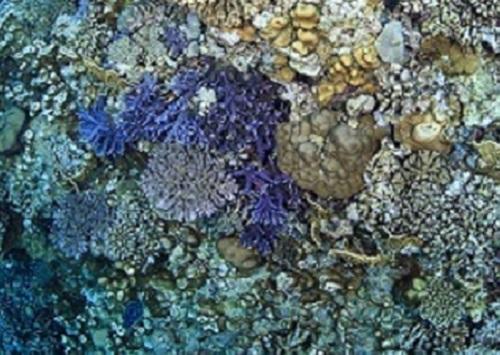
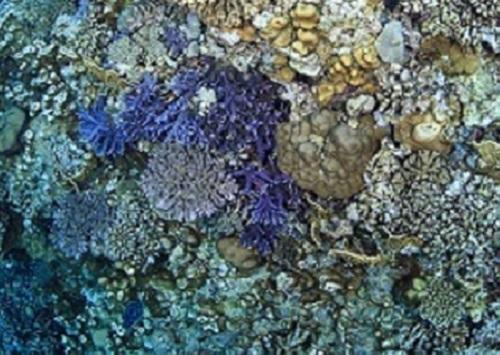
IMAGE

Credit: © 2017 Tane Sinclair-Taylor

Advances in genomic research are helping scientists to reveal how corals and algae cooperate to combat environmental stresses. KAUST researchers have sequenced and compared the genomes of three strains of Symbiodinium, a member of the dinoflagellate algae family, to show their genomes have several features that promote a prosperous symbiotic relationship with corals1.

Dinoflagellates are among the most prolific organisms on the planet, forming the basis of the oceanic food chain, and their close symbiotic relationships with corals help maintain healthy reefs. However, because dinoflagellates have unusually large genomes, very few species have been sequenced, leaving the exact nature of their symbiosis with corals elusive.

"We had access to two Symbiodinium genomes, S.minutum and S.kawagutii, and we decided to sequence a third, S. microadriaticum," said Assistant Professor of Marine Science Manuel Aranda at the University's Red Sea Research Center, who led the project with his Center colleague Associate Professor of Marine Science Christian Voolstra and colleagues from the University's Computational Bioscience Research Center and Environmental Epigenetics Program. "This allowed us to compare the three genomes for common and disparate features and functions and hopefully to show how the species evolved to become symbionts to specific corals."

The unusual makeup of the three Symbiodinium genomes meant that the team had to adjust their software to read the genomes correctly. Ultimately, their research revealed that Symbiodinium has evolved a rich array of bicarbonate and ammonium transporters. These proteins are used to harvest two important nutrients involved in coral-dinoflagellate symbiosis: carbon, which is needed for photosynthesis, and nitrogen, which is essential for growth and proliferation.

Symbiodinium either evolved these transporters in response to symbiosis or the presence of these transporters allowed Symbiodinium to become a symbiont in the first place, noted Aranda.

###

Media Contact

Michelle D'Antoni
[email protected]

http://kaust.edu.sa/

############

Story Source: Materials provided by Scienmag
Share12Tweet8Share2ShareShareShare2

Related Posts

Medical School Researcher Secures $2.2 Million NIH Grant to Investigate Causes and Treatments of Retinal Diseases — Medicine

Medical School Researcher Secures $2.2 Million NIH Grant to Investigate Causes and Treatments of Retinal Diseases

June 16, 2026
UCLA Scientists Uncover Potential Method to Repair Damaged Kidneys — Biology

UCLA Scientists Uncover Potential Method to Repair Damaged Kidneys

June 16, 2026

RNA Barcoding Uncovers Hidden Virus-Host Connections

June 16, 2026

UC Irvine Scientist Awarded Nearly $4 Million NIH Grant to Develop Therapeutic Vaccine Targeting Genital Herpes

June 16, 2026
Please login to join discussion

POPULAR NEWS

  • ESMO 2025: mRNA COVID Vaccines Enhance Efficacy of Cancer Immunotherapy

    326 shares
    Share 130 Tweet 82
  • Saying Goodbye to PGY-6: Pediatric Fellowship Realities

    101 shares
    Share 40 Tweet 25
  • Multi-Hospital Study Reveals Long Covid Burden Is Twice as High as Current Estimates

    91 shares
    Share 36 Tweet 23
  • Detection of EDCs in Breast Milk and Infant Urine Up to Six Months Highlights Early Exposure Risks

    75 shares
    Share 30 Tweet 19

About

We bring you the latest biotechnology news from best research centers and universities around the world. Check our website.

Follow us

Recent News

Medical School Researcher Secures $2.2 Million NIH Grant to Investigate Causes and Treatments of Retinal Diseases

UCLA Scientists Uncover Potential Method to Repair Damaged Kidneys

RNA Barcoding Uncovers Hidden Virus-Host Connections

Subscribe to Blog via Email

Enter your email address to subscribe to this blog and receive notifications of new posts by email.

Join 82 other subscribers
  • Contact Us

Bioengineer.org © Copyright 2023 All Rights Reserved.

Welcome Back!

Login to your account below

Forgotten Password?

Retrieve your password

Please enter your username or email address to reset your password.

Log In
No Result
View All Result
  • Homepages
    • Home Page 1
    • Home Page 2
  • News
  • National
  • Business
  • Health
  • Lifestyle
  • Science

Bioengineer.org © Copyright 2023 All Rights Reserved.