

• HOME
  • NEWS
  • EXPLORE
    • CAREER
      • Companies
      • Jobs
    • EVENTS
    • iGEM
      • News
      • Team
    • PHOTOS
    • VIDEO
    • WIKI
  • BLOG
  • COMMUNITY
    • FACEBOOK
    • INSTAGRAM
    • TWITTER
Wednesday, May 13, 2026
BIOENGINEER.ORG
No Result
View All Result
  • Login
  • HOME
  • NEWS
  • EXPLORE
    • CAREER
      • Companies
      • Jobs
        • Lecturer
        • PhD Studentship
        • Postdoc
        • Research Assistant
    • EVENTS
    • iGEM
      • News
      • Team
    • PHOTOS
    • VIDEO
    • WIKI
  • BLOG
  • COMMUNITY
    • FACEBOOK
    • INSTAGRAM
    • TWITTER
  • HOME
  • NEWS
  • EXPLORE
    • CAREER
      • Companies
      • Jobs
        • Lecturer
        • PhD Studentship
        • Postdoc
        • Research Assistant
    • EVENTS
    • iGEM
      • News
      • Team
    • PHOTOS
    • VIDEO
    • WIKI
  • BLOG
  • COMMUNITY
    • FACEBOOK
    • INSTAGRAM
    • TWITTER
No Result
View All Result
Bioengineer.org
No Result
View All Result
Home Headlines

Gene found that raises risk of childhood ear infections

Bioengineer.org by Bioengineer.org
January 29, 2018
in Headlines, Health, Science News
Reading Time: 2 mins read
0
Share on FacebookShare on TwitterShare on LinkedinShare on RedditShare on Telegram
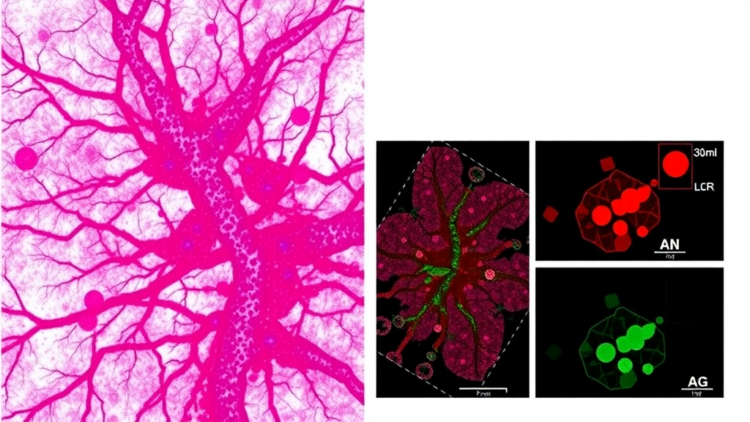
IMAGE

Credit: The Children's Hospital of Philadelphia

Researchers have discovered a gene region that raises the risk a child will have a middle ear infection, known to doctors as acute otitis media (AOM)–and known to parents as one reason for a screaming, unhappy preschooler. The finding may offer an early clue to helping doctors develop more effective treatments to prevent one of the most common childhood illnesses.

"Parents and pediatricians are all too familiar with this painful childhood ear infection–it's the most frequent reason children receive antibiotics," said study leader Hakon Hakonarson, MD, PhD, director of the Center for Applied Genomics at The Children's Hospital of Philadelphia (CHOP). "Although microbes cause this condition, it's been well known that genetics also plays a role. This is the first and largest genetic study focused on risk susceptibility for acute otitis media."

Hakonarson and colleagues from CHOP collaborated with Dutch researchers led by Gijs van Ingen and colleagues from the University Medical Center, Rotterdam, in the study published online Sept. 28 in Nature Communications.

The researchers performed a genome-wide association study (GWAS) on two discovery cohorts with DNA samples from 11,000 children. They found that an association between AOM and a site on chromosome 6 containing the gene FNDC1, and then replicated the finding in an independent pediatric cohort with data from 2000 children. Co-first author Jin Li, PhD, of CHOP, was the lead analyst on the study.

In further studies, the scientists showed that the mouse gene corresponding to FNDC1 was expressed in the animal's middle ear. "Although the gene's function in humans has not been well studied, we do know that FNDC1 codes for a protein with a role in inflammation," said Hakonarson.

Hakonarson added that learning more about the biological interactions between genes and pathogens involved in AOM, researchers hope to develop more specific therapies for the childhood infection, while learning which children are most susceptible to the disease. "As with many other diseases, early medical intervention may offer the greatest benefits," he said.

###

The National Institutes of Health (grant HG006830), the EU 7th Framework Programme (grant 247642), and the Kubert Estate family supported this research.

"Genome-wide association study for acute otitis media in children identifies FNDC1 as disease contributing gene," Nature Communications, published online Sept. 28, 2016. http://doi.org/10.1038/ncomms12792

About The Children's Hospital of Philadelphia: The Children's Hospital of Philadelphia was founded in 1855 as the nation's first pediatric hospital. Through its long-standing commitment to providing exceptional patient care, training new generations of pediatric healthcare professionals, and pioneering major research initiatives, Children's Hospital has fostered many discoveries that have benefited children worldwide. Its pediatric research program is among the largest in the country. In addition, its unique family-centered care and public service programs have brought the 535-bed hospital recognition as a leading advocate for children and adolescents. For more information, visit http://www.chop.edu

Media Contact

John Ascenzi
[email protected]
267-426-6055
@chop_research

http://www.chop.edu
Share12Tweet8Share2ShareShareShare2

Related Posts

Combined Exercise and HIIT Significantly Reduce 24-Hour Blood Pressure, New Study Shows — Medicine

Combined Exercise and HIIT Significantly Reduce 24-Hour Blood Pressure, New Study Shows

May 13, 2026
FAMU-FSU College of Engineering Develops AI Tool to Predict E. coli Contamination in Waterways — Technology and Engineering

FAMU-FSU College of Engineering Develops AI Tool to Predict E. coli Contamination in Waterways

May 13, 2026

Gravitational Wave Detectors Now Feature Automatic Signal Tuning

May 13, 2026

Mayo Clinic to Undergo Leadership Transition, Honoring Dr. Gianrico Farrugia’s Transformational Impact

May 13, 2026
Please login to join discussion

POPULAR NEWS

  • Research Indicates Potential Connection Between Prenatal Medication Exposure and Elevated Autism Risk

    842 shares
    Share 337 Tweet 211
  • New Study Reveals Plants Can Detect the Sound of Rain

    728 shares
    Share 290 Tweet 182
  • Salmonella Haem Blocks Macrophages, Boosts Infection

    62 shares
    Share 25 Tweet 16
  • Breastmilk Balances E. coli and Beneficial Bacteria in Infant Gut Microbiomes

    57 shares
    Share 23 Tweet 14

About

We bring you the latest biotechnology news from best research centers and universities around the world. Check our website.

Follow us

Recent News

Combined Exercise and HIIT Significantly Reduce 24-Hour Blood Pressure, New Study Shows

FAMU-FSU College of Engineering Develops AI Tool to Predict E. coli Contamination in Waterways

Gravitational Wave Detectors Now Feature Automatic Signal Tuning

Subscribe to Blog via Email

Enter your email address to subscribe to this blog and receive notifications of new posts by email.

Join 82 other subscribers
  • Contact Us

Bioengineer.org © Copyright 2023 All Rights Reserved.

Welcome Back!

Login to your account below

Forgotten Password?

Retrieve your password

Please enter your username or email address to reset your password.

Log In
No Result
View All Result
  • Homepages
    • Home Page 1
    • Home Page 2
  • News
  • National
  • Business
  • Health
  • Lifestyle
  • Science

Bioengineer.org © Copyright 2023 All Rights Reserved.