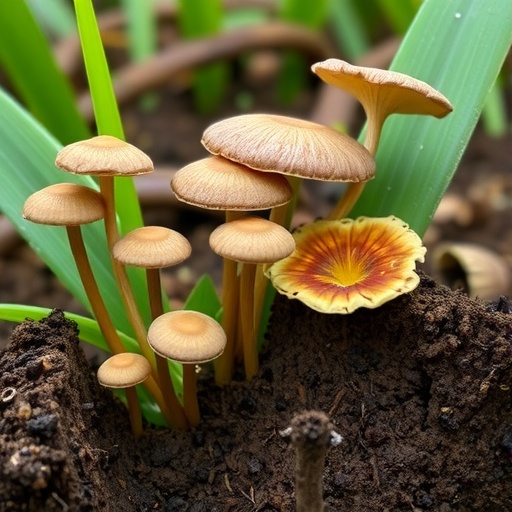
In the realm of biodiversity research, a groundbreaking study has emerged, showcasing the intricate relationships between fungi and the unique environments of various orchid species. The research, conducted by Yuan, G., Chai, S., Huang, Y. and colleagues, delves deeply into the comparative analysis of fungal diversity found within the roots and rhizosphere soils of both wild and reintroduced populations of three distinct Paphiopedilum species. The findings indicate not only the propensity of fungi to adapt to different ecosystems but also how the health of orchid populations can be significantly influenced by their associated mycobiomes.
Orchids, particularly those belonging to the Paphiopedilum genus, are renowned for their delicate beauty and ecological significance. These flowering plants, endemic to tropical regions, are often endangered due to habitat loss and over-collection. The study’s authors embarked on their research journey to assess how the reintroduction of these orchids into their natural habitats might affect the surrounding fungal communities, critical players in nutrient cycling and ecosystem stability. This exploration is vital for understanding how conservation efforts can be optimized to restore and maintain healthy populations of these exquisite flowers.
One of the study’s pivotal findings is the remarkable difference in fungal diversity present in the rhizosphere of wild versus reintroduced Paphiopedilum species. In wild populations, researchers discovered a more complex and diverse fungal community compared to that of the reintroduced orchids. This could underscore the importance of established ecosystems where interactions between plants and fungi have evolved over time, fostering a unique mycobiome that contributes to the orchids’ health and resilience.
The research team meticulously collected samples from both the roots and rhizosphere soils of the selected Paphiopedilum species. Utilizing advanced sequencing technologies, they were able to identify and categorize a plethora of fungal taxa. The analysis revealed that wild orchids hosted a wider variety of fungal species, including several beneficial mycorrhizal fungi known to enhance nutrient uptake. This symbiotic relationship illustrates the complex interdependencies organisms share within their ecosystems and highlights the necessity for preserving natural habitats where such interactions can thrive.
Moreover, the study presents compelling evidence that reintroduction efforts, while noble, had a significant impact on the fungal communities associated with the orchids. The findings suggest that the absence of specific fungal partners in reintroduction sites might lead to suboptimal growth and survival rates for the orchids. This phenomenon raises critical questions regarding the best practices for reintroducing species successfully; it is essential to consider not only the plants themselves but also the entire ecosystem in which they exist. The absence of well-established fungal relationships may hinder the effectiveness of conservation strategies.
Additionally, the role of soil health emerged as a fundamental factor influencing fungal diversity. The research indicated that soil quality—affected by parameters such as pH, moisture, and organic matter content—was positively correlated with the richness of fungal communities. This insight reinforces the importance of holistic approaches in conservation, emphasizing the need for soil restoration alongside direct plant management efforts. As restoration ecologists strive to remediate habitats for reintroduced species, this study provides a valuable framework for integrating soil health assessments into project planning.
Interestingly, the research also revealed that certain environmental variables acted as indicators of fungal community structures. Variability in temperature and moisture levels appeared to influence the composition and abundance of fungal taxa. These findings highlight the adaptive nature of fungi to shifting environmental conditions. As climate change poses increasing threats to biodiversity, understanding these relationships becomes critical. This knowledge can help conservationists predict how fungal communities may respond to changing climates, ultimately informing strategies that maintain ecosystem functions.
The implications of this research extend beyond Paphiopedilum orchids. The principles observed in this study can be applied to various plant-fungal interactions across different ecosystems. By fostering an awareness of the interconnectedness of species, the research encourages a multi-faceted approach to biodiversity conservation. This comprehensive perspective can assist policymakers and conservationists in creating more effective frameworks for protecting at-risk species and their habitats.
Further supporting the study’s conclusions, the authors advocate for ongoing research into the dynamics of fungal communities and their relationships with reintroduced plant species. As part of conservation management, there is a growing recognition of the importance of enlisting the help of mycorrhizal fungi to support plant growth. Techniques such as soil inoculation could potentially restore the fungal associations that are essential for the success of reintroduced populations.
In conclusion, the significant insights gathered from this research shed light on the complex interplay between fungi and orchids. The study emphasizes the critical roles that mycorrhizal relationships play in orchid health and survival. As conservation efforts continue to evolve, understanding the fundamental biology of these interactions will be indispensable for fostering resilient ecosystems capable of withstanding both human impact and climate change.
As the scientific community reflects on these findings, there is hope that increased awareness of the fungi’s vital role in plant health will inspire further research and more nuanced conservation strategies. The future of Paphiopedilum species and countless other plants may well hinge on our ability to embrace the multifaceted relationships that define our natural world.
The research thus not only enriches our understanding of orchid ecology but also serves as a clarion call for conservationists worldwide to adopt a more holistic view of ecosystem restoration. Future studies are poised to delve even deeper into these associations, potentially uncovering more intricate relationships waiting to be revealed.
As humanity grapples with the pressing challenges of biodiversity loss, the message from this study is clear: to save our most vulnerable species, we must observe, understand, and nurture the ecological webs that sustain them.
In summary, as we witness the delicate balance of nature unfold through the lens of scientific inquiry, let us carry forward the knowledge gained from studies like these, embracing both the beauty and complexity of life as we strive for a sustainable future.
Subject of Research: Fungal diversity in roots and rhizosphere soils of Paphiopedilum species.
Article Title: Comparison and structure of fungal diversity in roots and rhizosphere soils of wild and reintroduced populations of three Paphiopedilum species.
Article References:
Yuan, G., Chai, S., Huang, Y. et al. Comparison and structure of fungal diversity in roots and rhizosphere soils of wild and reintroduced populations of three Paphiopedilum species.
BMC Genomics (2026). https://doi.org/10.1186/s12864-026-12572-7
Image Credits: AI Generated
DOI: 10.1186/s12864-026-12572-7
Keywords: orchid conservation, fungal diversity, mycorrhizal relationships, ecosystem restoration, biodiversity.
Tags: biodiversity in tropical orchidsecological significance of orchidseffects of habitat loss on fungienvironmental adaptations of fungiFungal diversity in orchid rootsfungal-plant relationshipsmycorrhizal associations in plantsnutrient cycling in ecosystemsorchid conservation strategiesPaphiopedilum species mycobiomesreintroduction of endangered orchidsrhizosphere soil ecosystems