• HOME
  • NEWS
  • EXPLORE
    • CAREER
      • Companies
      • Jobs
    • EVENTS
    • iGEM
      • News
      • Team
    • PHOTOS
    • VIDEO
    • WIKI
  • BLOG
  • COMMUNITY
    • FACEBOOK
    • INSTAGRAM
    • TWITTER
Saturday, September 26, 2026
BIOENGINEER.ORG
No Result
View All Result
  • Login
  • HOME
  • NEWS
  • EXPLORE
    • CAREER
      • Companies
      • Jobs
        • Lecturer
        • PhD Studentship
        • Postdoc
        • Research Assistant
    • EVENTS
    • iGEM
      • News
      • Team
    • PHOTOS
    • VIDEO
    • WIKI
  • BLOG
  • COMMUNITY
    • FACEBOOK
    • INSTAGRAM
    • TWITTER
  • HOME
  • NEWS
  • EXPLORE
    • CAREER
      • Companies
      • Jobs
        • Lecturer
        • PhD Studentship
        • Postdoc
        • Research Assistant
    • EVENTS
    • iGEM
      • News
      • Team
    • PHOTOS
    • VIDEO
    • WIKI
  • BLOG
  • COMMUNITY
    • FACEBOOK
    • INSTAGRAM
    • TWITTER
No Result
View All Result
Bioengineer.org
No Result
View All Result
Home NEWS Science News Biology

Frogs find refuge in elephant tracks

Bioengineer by Bioengineer
June 4, 2019
in Biology
Reading Time: 2 mins read
0
IMAGE
Share on FacebookShare on TwitterShare on LinkedinShare on RedditShare on Telegram

Study says pachyderm puddles are amphibian condos
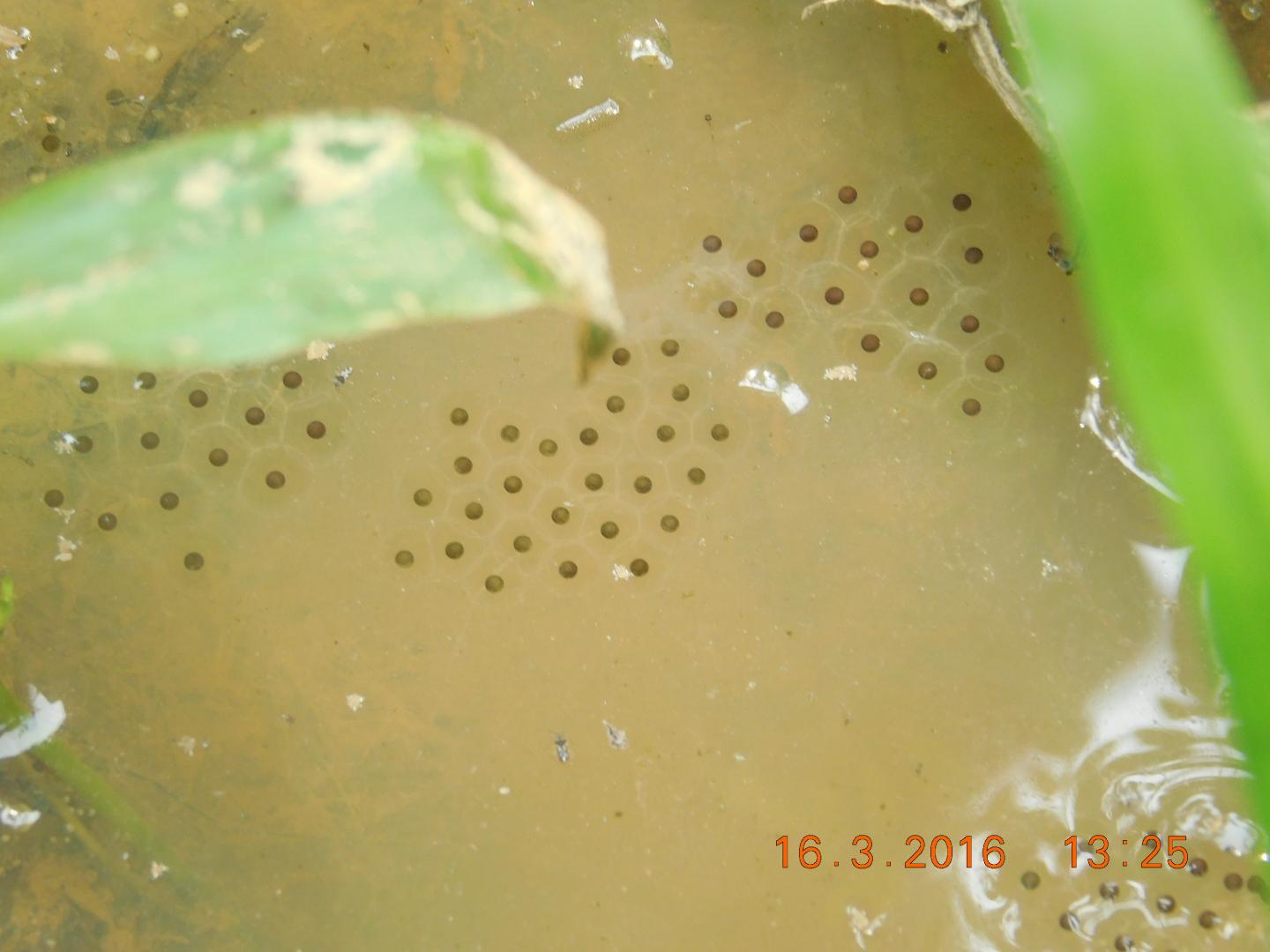
IMAGE

Credit: Steven Platt/WCS

YANGON, Myanmar (June 4, 2019) – Frogs need elephants. That’s what a new WCS-led study says that looked at the role of water-filled elephant tracks in providing predator-free breeding grounds and pathways connecting frog populations.

Publishing in the journal Mammalia, the researchers found that rain-filled tracks of Asian elephants (Elephas maximus) were filled with frog egg masses and tadpoles. The tracks can persist for a year or more and provide temporary habitat during the dry season where alternate sites are unavailable. Trackways could also function as “stepping stones” that connect frog populations.

This study was made available online in September 2018 ahead of final publication in print in May 2019.

The researchers made their observations in Myanmar’s Htamanthi Wildlife Sanctuary.

Elephants are widely recognized as “ecosystem engineers,” where they extensively modify vegetation through browsing, trampling, and seed dispersal, and convert large amounts of plant biomass into dung that is an important nutrient input for terrestrial and aquatic systems. At smaller scales, local plant species richness is enhanced when elephants open gaps in the forest canopy, browsing damage to trees creates refuges for small vertebrates (lizards and small mammals), and dung piles provide food for a diversity of beetles.

However, most research on ecosystem engineering by elephants has focused on savanna elephants (Loxodonta Africana) and to a lesser extent, forest elephants (Loxodonta cyclotis) in Africa; the role of Asian elephants as ecosystem engineers is much less well-known. Asian elephants are considered Endangered by IUCN due to habitat loss, poaching and retribution for crop raiding and human/elephant conflict.

Said Steven Platt, Associate Conservation Herpetologist with WCS’s Myanmar Program and lead author of the study: “Elephant tracks are virtual condominiums for frogs. This study underscores the critical role wildlife play in ecosystems in sometimes unexpected ways. When you lose one species, you may be unknowingly affecting others, which is why protecting intact ecosystems with full assemblages of wildlife is so important.”

###

WCS (Wildlife Conservation Society)

MISSION: WCS saves wildlife and wild places worldwide through science, conservation action, education, and inspiring people to value nature. To achieve our mission, WCS, based at the Bronx Zoo, harnesses the power of its Global Conservation Program in nearly 60 nations and in all the world’s oceans and its five wildlife parks in New York City, visited by 4 million people annually. WCS combines its expertise in the field, zoos, and aquarium to achieve its conservation mission. Visit: newsroom.wcs.org Follow: @WCSNewsroom. For more information: 347-840-1242.

Media Contact
Stephen Sautner
[email protected]

Original Source

https://newsroom.wcs.org/News-Releases/articleType/ArticleView/articleId/12397/Frogs-Find-Refuge-in-Elephant-Tracks.aspx

Related Journal Article

http://dx.doi.org/10.1515/mammalia-2017-0174

Tags: BiodiversityBiologyEcology/EnvironmentZoology/Veterinary Science
Share12Tweet8Share2ShareShareShare2

Related Posts

Plant-Powered Nanoparticles Strip MRSA of Its Adhesive Weapons

Plant-Powered Nanoparticles Strip MRSA of Its Adhesive Weapons

September 26, 2026
Salt Marsh Microbes Hold Steady Through Day-Night Swings, Venice Lagoon Study Finds

Salt Marsh Microbes Hold Steady Through Day-Night Swings, Venice Lagoon Study Finds

September 26, 2026

Lanthanum Nanorods Deliver New Drug Candidate That Kills Parasitic Worms

September 26, 2026

Bumblebees and Flies Keep Pollination Networks Alive by Switching Teams All Season

September 26, 2026
Please login to join discussion

POPULAR NEWS

  • Plant-Powered Nanoparticles Strip MRSA of Its Adhesive Weapons

    29 shares
    Share 12 Tweet 7
  • AI Turns Conflicting Opinions Into a Feature: New Model Weighs Disagreement to Make Group Decisions Trustworthy

    29 shares
    Share 12 Tweet 7
  • Radar AI Learns to Watch You Without Ever Seeing You

    29 shares
    Share 12 Tweet 7
  • Perilla Leaf Extract Extends Lifespan and Cuts Fat in Worms by Rewiring Insulin Signaling

    29 shares
    Share 12 Tweet 7

About

BIOENGINEER.ORG

We bring you the latest biotechnology news from best research centers and universities around the world. Check our website.

Follow us

Recent News

Plant-Powered Nanoparticles Strip MRSA of Its Adhesive Weapons

AI Turns Conflicting Opinions Into a Feature: New Model Weighs Disagreement to Make Group Decisions Trustworthy

Radar AI Learns to Watch You Without Ever Seeing You

Subscribe to Blog via Email

Enter your email address to subscribe to this blog and receive notifications of new posts by email.

Join 85 other subscribers
  • Contact Us

Bioengineer.org © Copyright 2023 All Rights Reserved.

Welcome Back!

Login to your account below

Forgotten Password?

Retrieve your password

Please enter your username or email address to reset your password.

Log In
No Result
View All Result
  • Homepages
    • Home Page 1
    • Home Page 2
  • News
  • National
  • Business
  • Health
  • Lifestyle
  • Science

Bioengineer.org © Copyright 2023 All Rights Reserved.