• HOME
  • NEWS
  • EXPLORE
    • CAREER
      • Companies
      • Jobs
    • EVENTS
    • iGEM
      • News
      • Team
    • PHOTOS
    • VIDEO
    • WIKI
  • BLOG
  • COMMUNITY
    • FACEBOOK
    • INSTAGRAM
    • TWITTER
Wednesday, April 1, 2026
BIOENGINEER.ORG
No Result
View All Result
  • Login
  • HOME
  • NEWS
  • EXPLORE
    • CAREER
      • Companies
      • Jobs
        • Lecturer
        • PhD Studentship
        • Postdoc
        • Research Assistant
    • EVENTS
    • iGEM
      • News
      • Team
    • PHOTOS
    • VIDEO
    • WIKI
  • BLOG
  • COMMUNITY
    • FACEBOOK
    • INSTAGRAM
    • TWITTER
  • HOME
  • NEWS
  • EXPLORE
    • CAREER
      • Companies
      • Jobs
        • Lecturer
        • PhD Studentship
        • Postdoc
        • Research Assistant
    • EVENTS
    • iGEM
      • News
      • Team
    • PHOTOS
    • VIDEO
    • WIKI
  • BLOG
  • COMMUNITY
    • FACEBOOK
    • INSTAGRAM
    • TWITTER
No Result
View All Result
Bioengineer.org
No Result
View All Result
Home NEWS Science News

Frog slime kills flu virus

Bioengineer by Bioengineer
April 18, 2017
in Science News
Reading Time: 2 mins read
0
Share on FacebookShare on TwitterShare on LinkedinShare on RedditShare on Telegram
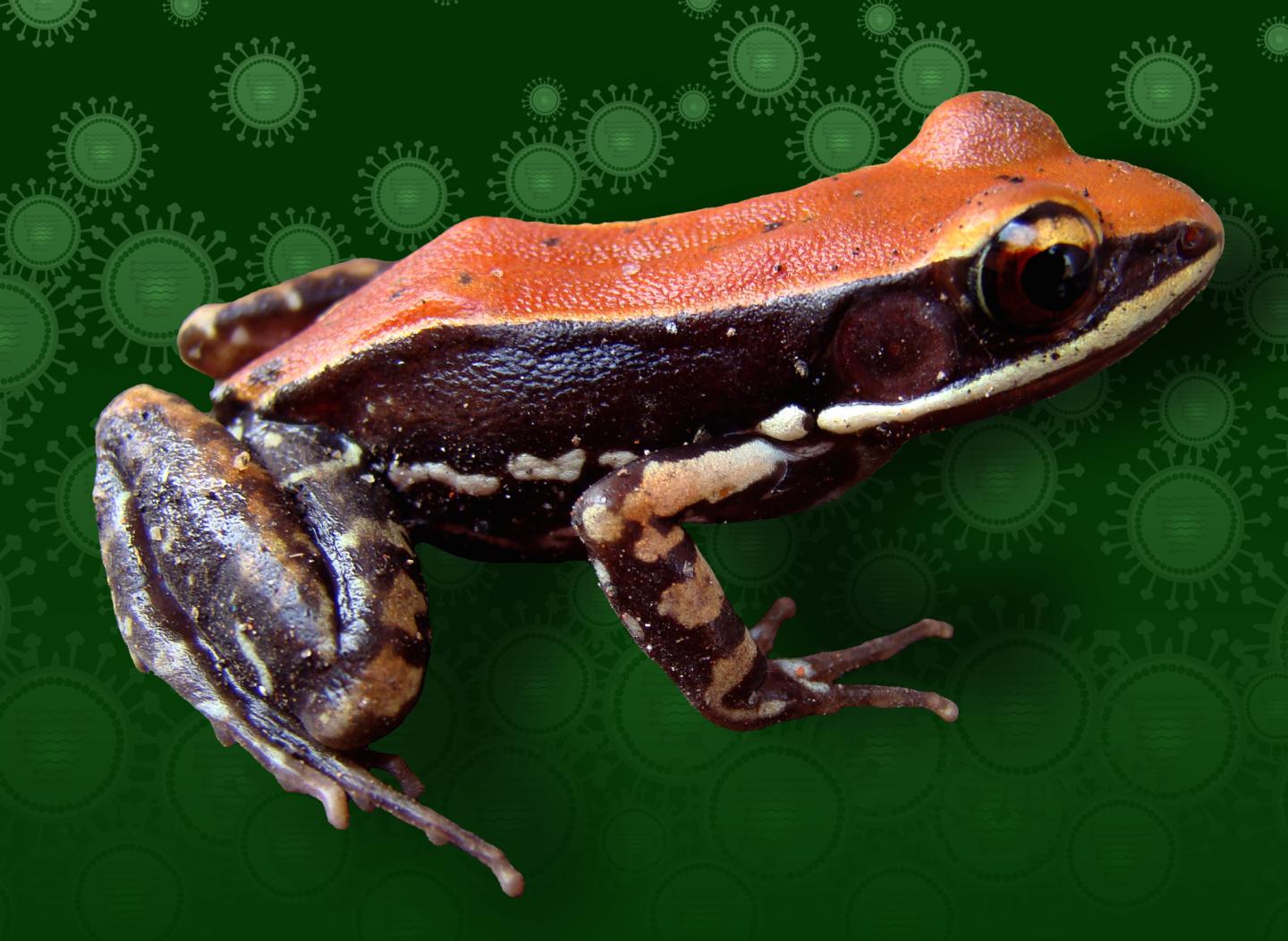
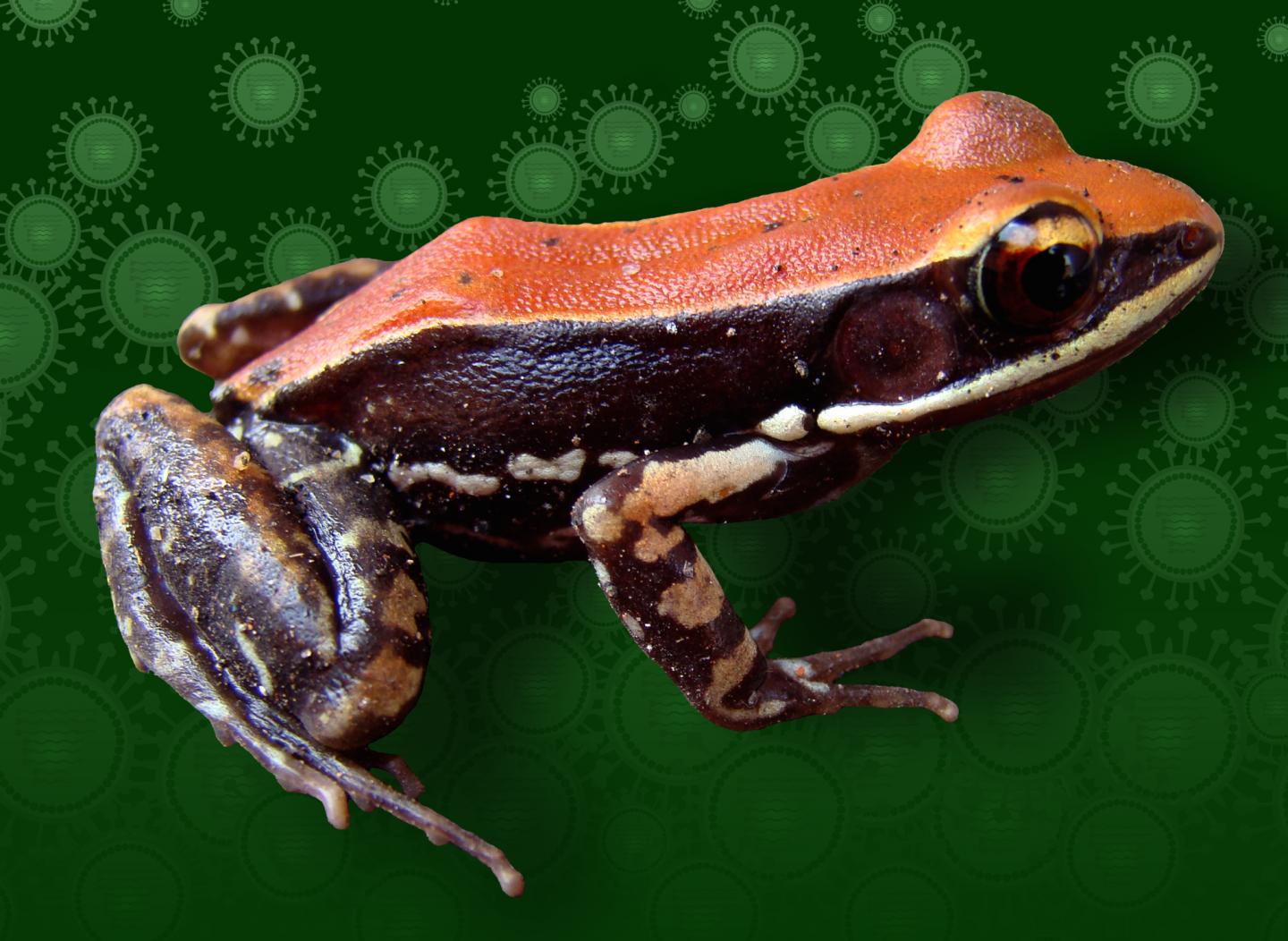
IMAGE

Credit: Sanil George + Jessica Shartouny

A component of the skin mucus secreted by South Indian frogs can kill the H1 variety of influenza viruses, researchers from Emory Vaccine Center and the Rajiv Gandhi Center for Biotechnology in India have discovered.

Frogs' skins were known to secrete "host defense peptides" that defend them against bacteria. The finding, scheduled for publication in Immunity, suggests that the peptides represent a resource for antiviral drug discovery as well.

Anti-flu peptides could become handy when vaccines are unavailable, in the case of a new pandemic strain, or when circulating strains become resistant to current drugs, says senior author Joshy Jacob, PhD, associate professor of microbiology and immunology at Emory Vaccine Center and Emory University School of Medicine.

The first author of the paper is graduate student David Holthausen, and the research grew out of collaboration with M.R. Pillai, PhD and Sanil George, PhD from the Rajiv Gandhi Center for Biotechnology.

Jacob and his colleagues named one of the antiviral peptides they identified urumin, after a whip-like sword called "urumi" used in southern India centuries ago. Urumin was found in skin secretions from the Indian frog Hydrophylax bahuvistara, which were collected after mild electrical stimulation.

Peptides are short chains of amino acids, the building blocks of proteins. Some anti-bacterial peptides work by punching holes in cell membranes, and are thus toxic to mammalian cells, but urumin was not.

Instead, urumin appears to only disrupt the integrity of flu virus, as seen through electron microscopy. It binds the stalk of hemagglutinin, a less variable region of the flu virus that is also the target of proposed universal vaccines. This specificity could be valuable because current anti-influenza drugs target other parts of the virus, Jacob says.

Because flu viruses from humans cannot infect frogs, producing urumin probably confers on frogs an advantage in fighting some other pathogen, he says.

Delivered intranasally, urumin protected unvaccinated mice against a lethal dose of some flu viruses. Urumin was specific for H1 strains of flu, such as the 2009 pandemic strain, and was not effective against other current strains such as H3N2.

Developing antimicrobial peptides into effective drugs has been a challenge in the past, partly because enzymes in the body can break them down. Jacob's lab is now exploring ways to stabilize antiviral peptides such as urumin, as well as looking for frog-derived peptides that are active against other viruses like dengue and Zika.

###

Emory co-authors include senior research associate Ali Ellebedy, PhD and assistant professors Jens Wrammert, PhD and Anice Lowen, PhD.

Holthausen is in the Immunology and Molecular Pathogenesis graduate program. Jacob's lab is based at Yerkes National Primate Research Center. The research was supported by Emory University and by the Office of Research Infrastructure Programs (Primate centers: P51OD11132).

Media Contact

Quinn Eastman
[email protected]
404-727-7829
@emoryhealthsci

http://whsc.emory.edu/home/news/index.html

############

Story Source: Materials provided by Scienmag

Share12Tweet8Share2ShareShareShare2

Related Posts

Cutting-Edge “Smart” Drugs Revolutionize Cancer Treatment

April 1, 2026
KIST-IAE Collaborative Team Surpasses Performance Limits in Lithium-Air Batteries with Innovative Two-Dimensional Catalyst

KIST-IAE Collaborative Team Surpasses Performance Limits in Lithium-Air Batteries with Innovative Two-Dimensional Catalyst

April 1, 2026

Brain Metastases Show Unique Macrophage Spatial Patterns

April 1, 2026

PRSS56 Drives and Treats Human High Myopia

April 1, 2026
Please login to join discussion

POPULAR NEWS

  • blank

    Revolutionary AI Model Enhances Precision in Detecting Food Contamination

    96 shares
    Share 38 Tweet 24
  • Imagine a Social Media Feed That Challenges Your Views Instead of Reinforcing Them

    1006 shares
    Share 398 Tweet 249
  • Promising Outcomes from First Clinical Trials of Gene Regulation in Epilepsy

    51 shares
    Share 20 Tweet 13
  • Popular Anti-Aging Compound Linked to Damage in Corpus Callosum, Study Finds

    43 shares
    Share 17 Tweet 11

About

We bring you the latest biotechnology news from best research centers and universities around the world. Check our website.

Follow us

Recent News

Cutting-Edge “Smart” Drugs Revolutionize Cancer Treatment

KIST-IAE Collaborative Team Surpasses Performance Limits in Lithium-Air Batteries with Innovative Two-Dimensional Catalyst

Brain Metastases Show Unique Macrophage Spatial Patterns

Subscribe to Blog via Email

Enter your email address to subscribe to this blog and receive notifications of new posts by email.

Join 78 other subscribers
  • Contact Us

Bioengineer.org © Copyright 2023 All Rights Reserved.

Welcome Back!

Login to your account below

Forgotten Password?

Retrieve your password

Please enter your username or email address to reset your password.

Log In
No Result
View All Result
  • Homepages
    • Home Page 1
    • Home Page 2
  • News
  • National
  • Business
  • Health
  • Lifestyle
  • Science

Bioengineer.org © Copyright 2023 All Rights Reserved.