• HOME
  • NEWS
  • EXPLORE
    • CAREER
      • Companies
      • Jobs
    • EVENTS
    • iGEM
      • News
      • Team
    • PHOTOS
    • VIDEO
    • WIKI
  • BLOG
  • COMMUNITY
    • FACEBOOK
    • INSTAGRAM
    • TWITTER
Wednesday, June 3, 2026
BIOENGINEER.ORG
No Result
View All Result
  • Login
  • HOME
  • NEWS
  • EXPLORE
    • CAREER
      • Companies
      • Jobs
        • Lecturer
        • PhD Studentship
        • Postdoc
        • Research Assistant
    • EVENTS
    • iGEM
      • News
      • Team
    • PHOTOS
    • VIDEO
    • WIKI
  • BLOG
  • COMMUNITY
    • FACEBOOK
    • INSTAGRAM
    • TWITTER
  • HOME
  • NEWS
  • EXPLORE
    • CAREER
      • Companies
      • Jobs
        • Lecturer
        • PhD Studentship
        • Postdoc
        • Research Assistant
    • EVENTS
    • iGEM
      • News
      • Team
    • PHOTOS
    • VIDEO
    • WIKI
  • BLOG
  • COMMUNITY
    • FACEBOOK
    • INSTAGRAM
    • TWITTER
No Result
View All Result
Bioengineer.org
No Result
View All Result
Home NEWS Science News Biology

Free movement can protect humans from environmental threats

Bioengineer by Bioengineer
October 29, 2018
in Biology
Reading Time: 2 mins read
0
Share on FacebookShare on TwitterShare on LinkedinShare on RedditShare on Telegram
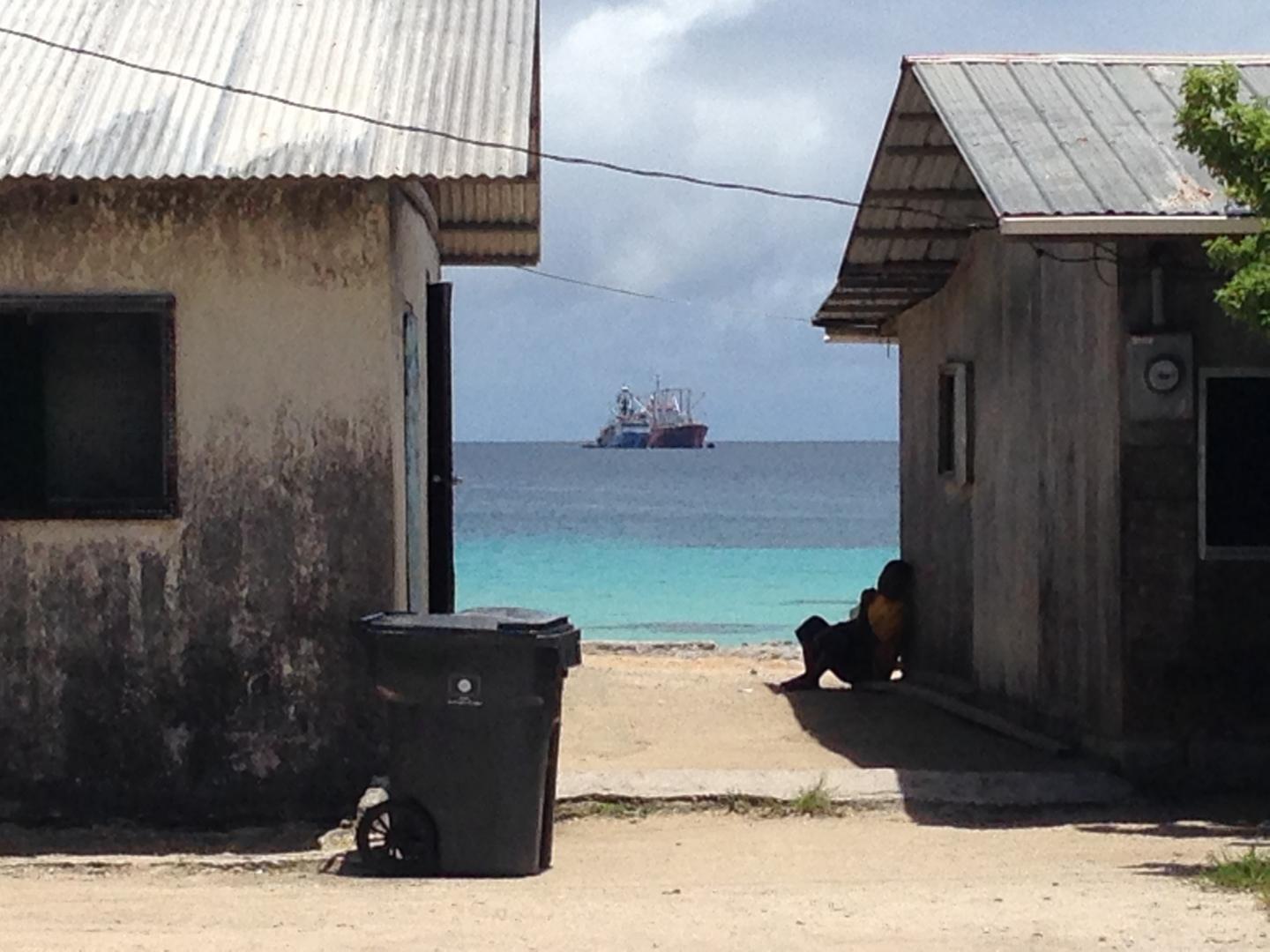
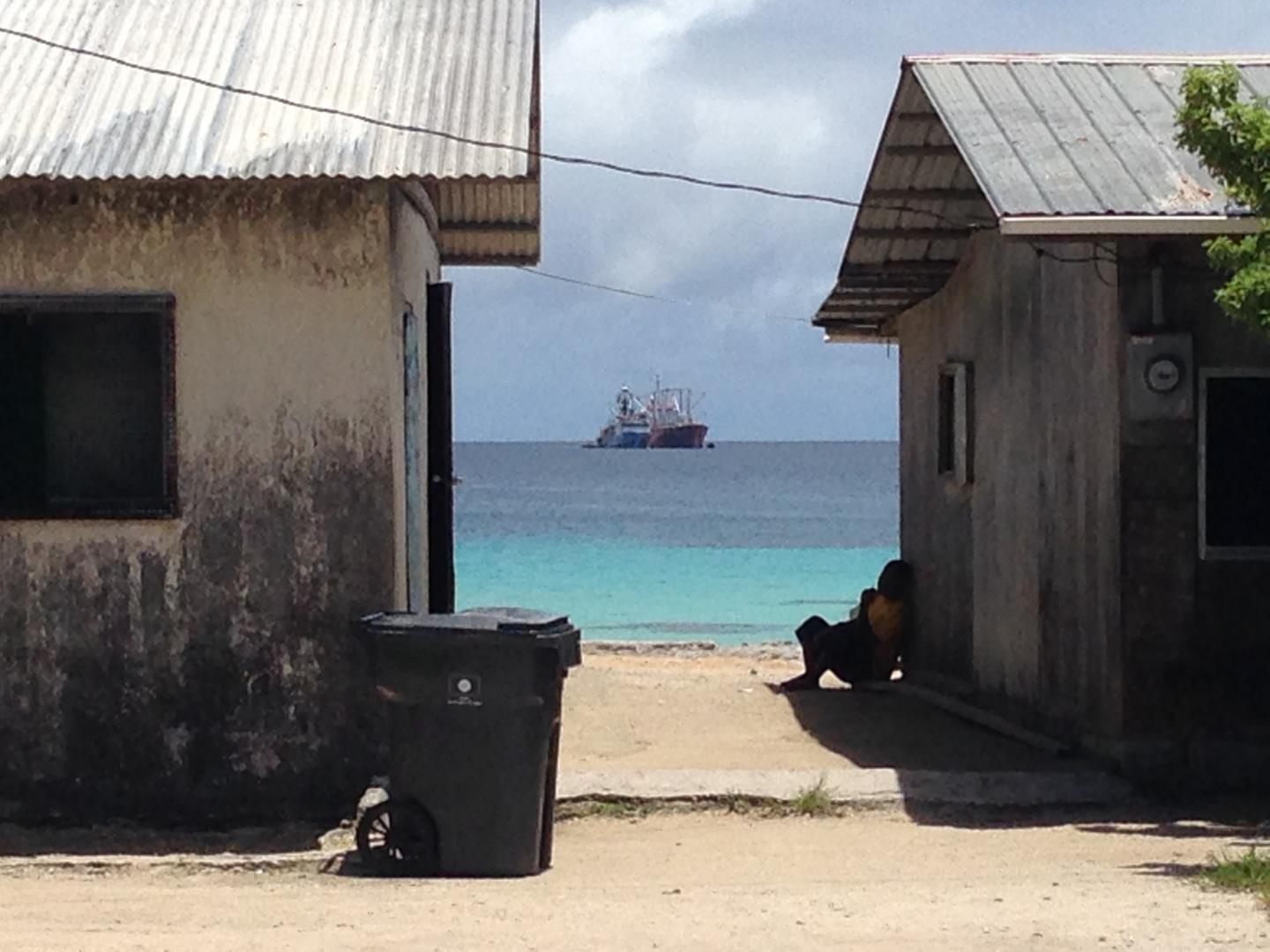
IMAGE

Credit: J Barnett)

Greater freedom of movement and investments in human rights and social opportunities can help protect humans from environmental threats like rising sea levels, new research says.

In a major review of evidence, researchers from the universities of Exeter and Melbourne found inequality of social opportunities and freedoms made it hard for vulnerable populations to respond to climate change threats.

The evidence suggests societies flourish and can adapt to climate change when rights, freedoms and opportunities are protected, leading to more sustainable rates of population growth and consumption.

Increasing people's freedom to move helps them avoid being trapped in downward cycles of poverty and environmental degradation.

"Demographic trends like migration and ageing populations combine with environmental risks to create new and unforeseen challenges," said lead author Professor Neil Adger, of the University of Exeter. "But societies have choices to avoid the worst social impacts from climate change."

Lead author Professor Jon Barnett, from the University of Melbourne and currently a British Academy Visiting Professor at Exeter, said: "There are multiple dividends from institutionalising rights, freedoms and social opportunities in all countries, which would lead to a more peaceful and sustainable path through future demographic and environmental changes.

"Migration has been an effective response to environmental change in the past and that remains the case today."

The report highlights examples of Pacific Island nations whose populations benefit from agreements to move to Australia and New Zealand. That option has stabilised and given security to the island nations.

"Many of the people most at risk from environmental changes have the fewest freedoms and therefore the least ability to adapt in the face of such difficulties," said Professor Barnett. "Policies that give greater freedoms – especially freedom of movement – reduce the impact of these changes on vulnerable populations."

The paper, published in Annual Review of Environment and Resources, is entitled: "Mobile worlds: Choice at the intersection of demographic and environmental change."

###

Media Contact

Alex Morrison
[email protected]
44-013-927-24828
@uniofexeter

http://www.exeter.ac.uk

Related Journal Article

http://dx.doi.org/10.1146/annurev-environ-102016-060952

Share12Tweet7Share2ShareShareShare1

Related Posts

New Moth Species Discovered and Named in Honor of the Orixás — Biology

New Moth Species Discovered and Named in Honor of the Orixás

June 3, 2026
Unveiling the Structure of Human M-Channels: Decoding the Stoichiometry and Gating Mechanism Behind Neuronal Firing Thresholds — Biology

Unveiling the Structure of Human M-Channels: Decoding the Stoichiometry and Gating Mechanism Behind Neuronal Firing Thresholds

June 3, 2026

How Our Biological Clock Begins and Keeps Ticking

June 3, 2026

Fossil Find Sheds Light on Missing Links in Modern Fish Evolution

June 3, 2026
Please login to join discussion

POPULAR NEWS

  • ESMO 2025: mRNA COVID Vaccines Enhance Efficacy of Cancer Immunotherapy

    321 shares
    Share 128 Tweet 80
  • Multi-Hospital Study Reveals Long Covid Burden Is Twice as High as Current Estimates

    87 shares
    Share 34 Tweet 22
  • Saying Goodbye to PGY-6: Pediatric Fellowship Realities

    70 shares
    Share 28 Tweet 18
  • Common Food Preservatives Associated with Elevated Blood Pressure and Increased Heart Disease Risk

    57 shares
    Share 23 Tweet 14

About

We bring you the latest biotechnology news from best research centers and universities around the world. Check our website.

Follow us

Recent News

Acridine Compound Binds VEGF, Cuts CAM Vascularization

Geriatric Assessments Boost Outcomes, Cut Costs in Thailand

On-Demand Nanomanufacturing of Electronics in Microgravity

Subscribe to Blog via Email

Enter your email address to subscribe to this blog and receive notifications of new posts by email.

Join 83 other subscribers
  • Contact Us

Bioengineer.org © Copyright 2023 All Rights Reserved.

Welcome Back!

Login to your account below

Forgotten Password?

Retrieve your password

Please enter your username or email address to reset your password.

Log In
No Result
View All Result
  • Homepages
    • Home Page 1
    • Home Page 2
  • News
  • National
  • Business
  • Health
  • Lifestyle
  • Science

Bioengineer.org © Copyright 2023 All Rights Reserved.