• HOME
  • NEWS
  • EXPLORE
    • CAREER
      • Companies
      • Jobs
    • EVENTS
    • iGEM
      • News
      • Team
    • PHOTOS
    • VIDEO
    • WIKI
  • BLOG
  • COMMUNITY
    • FACEBOOK
    • INSTAGRAM
    • TWITTER
Tuesday, May 26, 2026
BIOENGINEER.ORG
No Result
View All Result
  • Login
  • HOME
  • NEWS
  • EXPLORE
    • CAREER
      • Companies
      • Jobs
        • Lecturer
        • PhD Studentship
        • Postdoc
        • Research Assistant
    • EVENTS
    • iGEM
      • News
      • Team
    • PHOTOS
    • VIDEO
    • WIKI
  • BLOG
  • COMMUNITY
    • FACEBOOK
    • INSTAGRAM
    • TWITTER
  • HOME
  • NEWS
  • EXPLORE
    • CAREER
      • Companies
      • Jobs
        • Lecturer
        • PhD Studentship
        • Postdoc
        • Research Assistant
    • EVENTS
    • iGEM
      • News
      • Team
    • PHOTOS
    • VIDEO
    • WIKI
  • BLOG
  • COMMUNITY
    • FACEBOOK
    • INSTAGRAM
    • TWITTER
No Result
View All Result
Bioengineer.org
No Result
View All Result
Home NEWS Science News Biology

For exotic pets, the most popular are also most likely to be released in the wild

Bioengineer by Bioengineer
August 22, 2018
in Biology
Reading Time: 2 mins read
0
Share on FacebookShare on TwitterShare on LinkedinShare on RedditShare on Telegram
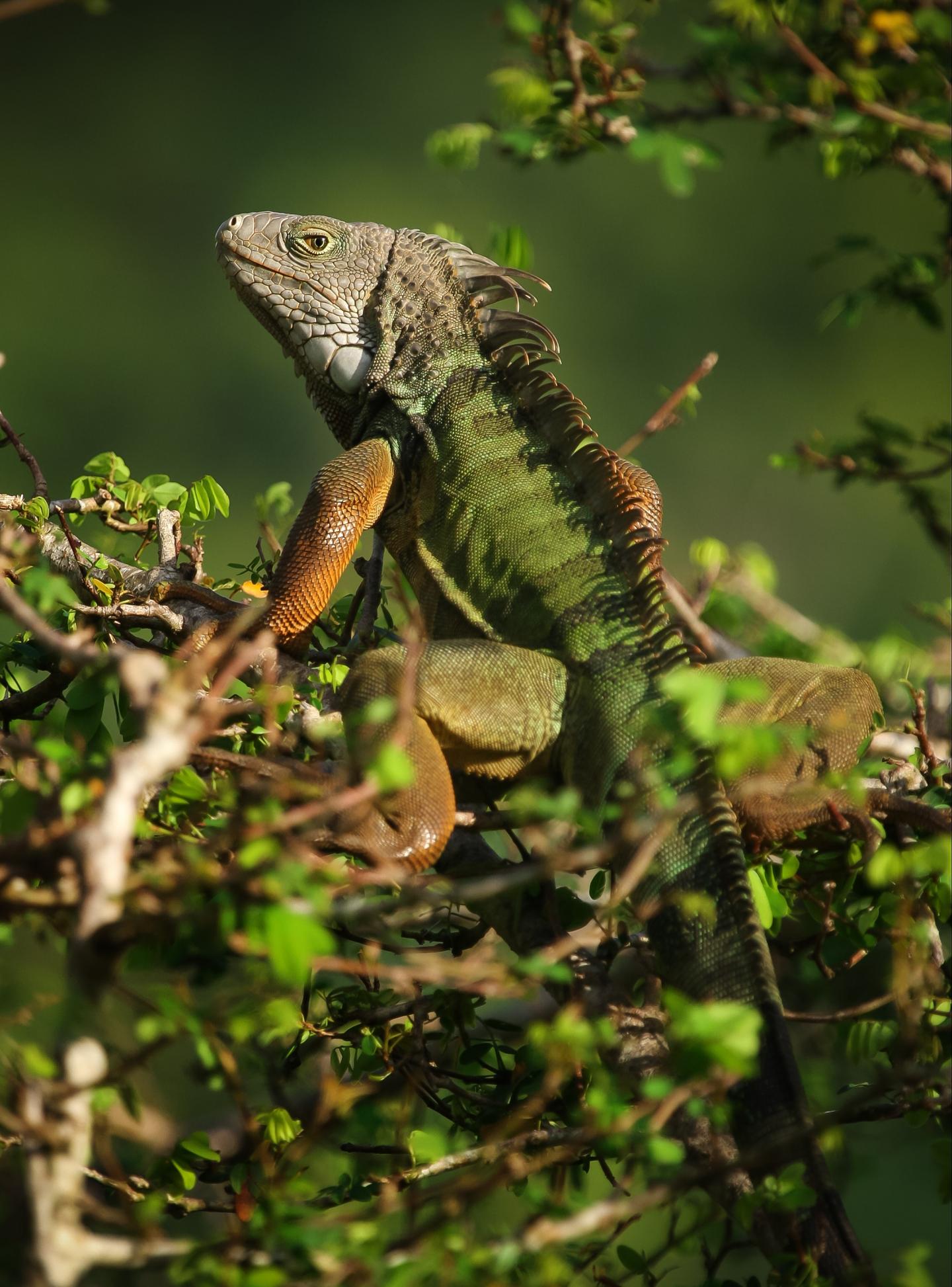
IMAGE

Credit: Matthew Sileo

Among pet snakes and lizards, the biggest-selling species are also the most likely to be released by their owners – and to potentially become invasive species, according to a Rutgers study published today in the Journal of Applied Ecology.

The study by Rutgers University-New Brunswick ecologists provides new clarity on how and why the exotic pet trade has become the primary venue by which reptiles and amphibians arrive in non-native lands, the first step to becoming ecologically damaging invaders.

The researchers documented 1,722 reptile and amphibian species in the U.S. exotic pet trade from 1999 to 2016. They compared the list with previous research and data from a citizen science project that records sightings in the U.S. of non-native species. They found that the most popular pets – those imported in high numbers and sold at low prices, usually when they're small and cute – are the most likely to be dumped into the wild later on.

"The owners may underestimate the space and costs needed to keep such animals as they grow into adults. Boa constrictors and reticulated pythons grow over 8 feet long. African clawed frogs and Russian tortoises live 30 years or more," said Oliver Stringham, study lead author and a Rutgers doctoral student. "Not wanting to euthanize, owners may resort to releasing them instead."

Released exotic pets can harm native wildlife through predation, competition for food and disease transmission. A prime example is the Burmese python, which grows up to 18 feet long and has been invasive in Everglades National Park since the 1990s, causing severe declines in native mammals and birds.

The study suggests providing potential owners with information about the future growth and lifespan of an exotic pet, along with the ecological damage that can result from releasing them, and a list of safe places to surrender them, including shelters, rehoming initiatives and buy-back programs, to avoid future releases.

Julie Lockwood, study co-author and a professor in the Department of Ecology, Evolution, and Natural Resources at Rutgers-New Brunswick, said, "While it might not be possible to fully prevent the release of exotic pets, reducing the number can be an effective way to prevent new species from becoming established and potentially invasive."

###

Media Contact

Neal Buccino
[email protected]
848-932-7328
@RutgersU

http://www.rutgers.edu

Original Source

https://news.rutgers.edu/exotic-pets-most-popular-are-also-most-likely-be-released-wild/20180815#.W3Q8ZyhKi71 http://dx.doi.org/10.1111/1365-2664.13237


Share12Tweet8Share2ShareShareShare2

Related Posts

Canadian Rockies Research Reveals Spruce Trees Adapt Consistently Across Rugged Peaks and Boreal Flatlands — Biology

Canadian Rockies Research Reveals Spruce Trees Adapt Consistently Across Rugged Peaks and Boreal Flatlands

May 26, 2026
Electroacupuncture and Spinal Neural Cell Transplantation Synergize to Enhance Nerve Regeneration and Functional Recovery After Spinal Cord Injury — Biology

Electroacupuncture and Spinal Neural Cell Transplantation Synergize to Enhance Nerve Regeneration and Functional Recovery After Spinal Cord Injury

May 26, 2026

Gut Microbiome Clusters Offer New Insights into Predicting Inflammatory Bowel Disease Severity and Progression

May 26, 2026

App Uses Insect Wing Identification to Combat Tropical Disease Threat

May 26, 2026
Please login to join discussion

POPULAR NEWS

  • ESMO 2025: mRNA COVID Vaccines Enhance Efficacy of Cancer Immunotherapy

    317 shares
    Share 127 Tweet 79
  • New Study Reveals Plants Can Detect the Sound of Rain

    735 shares
    Share 293 Tweet 183
  • Common Food Preservatives Associated with Elevated Blood Pressure and Increased Heart Disease Risk

    56 shares
    Share 22 Tweet 14
  • Research Indicates Potential Connection Between Prenatal Medication Exposure and Elevated Autism Risk

    847 shares
    Share 339 Tweet 212

About

We bring you the latest biotechnology news from best research centers and universities around the world. Check our website.

Follow us

Recent News

Dimethyl Fumarate Reduces Experimental Bronchopulmonary Dysplasia

From Salk Institute Breakthrough to Bedside: Vitamin D Analog Disarms Pancreatic Cancer’s Defenses in Clinical Trial

Canadian Rockies Research Reveals Spruce Trees Adapt Consistently Across Rugged Peaks and Boreal Flatlands

Subscribe to Blog via Email

Enter your email address to subscribe to this blog and receive notifications of new posts by email.

Join 82 other subscribers
  • Contact Us

Bioengineer.org © Copyright 2023 All Rights Reserved.

Welcome Back!

Login to your account below

Forgotten Password?

Retrieve your password

Please enter your username or email address to reset your password.

Log In
No Result
View All Result
  • Homepages
    • Home Page 1
    • Home Page 2
  • News
  • National
  • Business
  • Health
  • Lifestyle
  • Science

Bioengineer.org © Copyright 2023 All Rights Reserved.