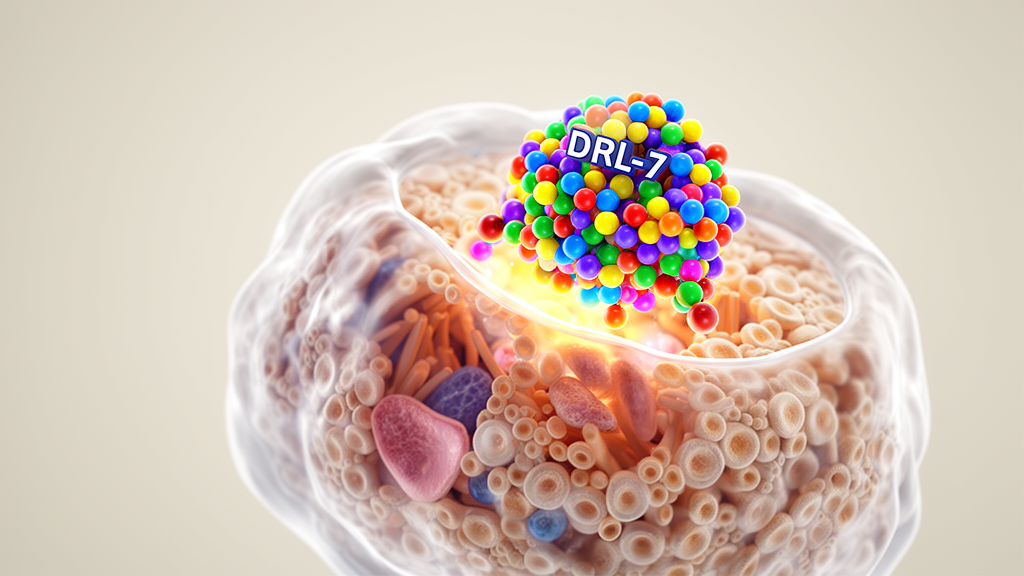
A bioactive small molecule derived from food, designated DRL-7, acts as a potent regulator of bone marrow mesenchymal stem cell function and skeletal microenvironment homeostasis, according to findings published in npj Science of Food. The investigation demonstrates that DRL-7 coordinates chemokine receptor dynamics and intracellular metabolic adaptations, establishing a previously unrecognized preclinical mechanism for protecting skeletal integrity and counteracting bone deterioration.
Diet-derived bioactive compounds are widely recognized to play an important role in the maintenance of skeletal health, yet the specific cellular and molecular mechanisms driving their actions have remained incompletely understood. Within the skeletal system, bone marrow mesenchymal stem cells, commonly known as BMSCs, represent primary cellular regulators of bone homeostasis. When these stem cells experience functional decline, the resulting impairment serves as a major contributing factor to both age-related and menopause-associated bone loss.
To evaluate the therapeutic potential and biological activities of DRL-7, the investigators implemented an experimental workflow integrating in vivo animal models, in vitro cell culture systems, and multi-omics analytical approaches. At the cellular level, the research demonstrated that treatment with DRL-7 directly enhances essential BMSC properties, notably increasing stem cell proliferation, stimulating directional cell migration, and promoting osteogenic differentiation toward bone-forming lineages.
In these preclinical models, administration of DRL-7 was accompanied by a significant improvement in bone mineral density along with marked positive remodeling of trabecular microarchitecture, demonstrating substantial structural preservation within the bone microenvironment.
At the mechanistic level, the study revealed that DRL-7 functions by promoting the translocation of the chemokine receptor CXCR4 to the plasma membrane. This enhanced cell-surface localization facilitates the downstream activation of the CXCL12/CXCR4–PI3K/Akt signaling axis, linking extracellular chemokine cues directly to essential intracellular signaling events that govern stem cell behavior.
Activation of the CXCL12/CXCR4–PI3K/Akt pathway drives multiple coordinated biological adaptations. On a transcriptional level, it supports osteogenic gene expression and accelerates extracellular matrix formation, while simultaneously improving mitochondrial energy metabolism and enhancing glutathione-dependent antioxidant capacity. These metabolic adaptations work together to suppress intracellular oxidative stress, establishing a supportive, favorable intracellular environment capable of sustaining prolonged stem cell activity.
To verify that the observed cellular enhancements were strictly dependent on this signaling cascade, the researchers conducted targeted pathway disruption experiments. When investigators applied inhibitors against CXCR4 or PI3K, the beneficial effects of DRL-7 on BMSC proliferation, migration, and differentiation were completely abolished. This inhibition confirmed that the therapeutic impact of the food-derived molecule relies directly on the integrity of the CXCL12/CXCR4 and PI3K/Akt signaling network.
Collectively, the study provides preclinical mechanistic evidence supporting the prospective application of DRL-7 and similar food-derived bioactive molecules in developing targeted nutritional strategies for bone health maintenance.
Subject of Research: Regulation of bone marrow stem cell function and skeletal homeostasis by food-derived bioactive DRL-7
Article Title: A food-derived bioactive small molecule DRL-7 enhances bone marrow stem cell function via CXCL12-CXCR4–PI3K-Akt signaling
Article References: Lu, L., Wang, L., Yang, M., & Wang, H. (2026). A food-derived bioactive small molecule DRL-7 enhances bone marrow stem cell function via CXCL12-CXCR4–PI3K-Akt signaling. npj Science of Food. https://doi.org/10.1038/s41538-026-00936-y
Image Credits: AI Generated
DOI: 10.1038/s41538-026-00936-y
Keywords: DRL-7, bone marrow mesenchymal stem cells, BMSCs, osteogenic differentiation, CXCL12, CXCR4, PI3K-Akt signaling, bone mineral density, trabecular microarchitecture, ovariectomized models, mitochondrial metabolism, glutathione antioxidant capacity, oxidative stress, postmenopausal osteoporosis, bone homeostasis, skeletal health, bioactive food compounds
News Source: Drew Townsend. (November 16, 2026). Food-Derived Molecule DRL-7 Enhances Bone Stem Cell Function in Preclinical Study. Scienmag.