


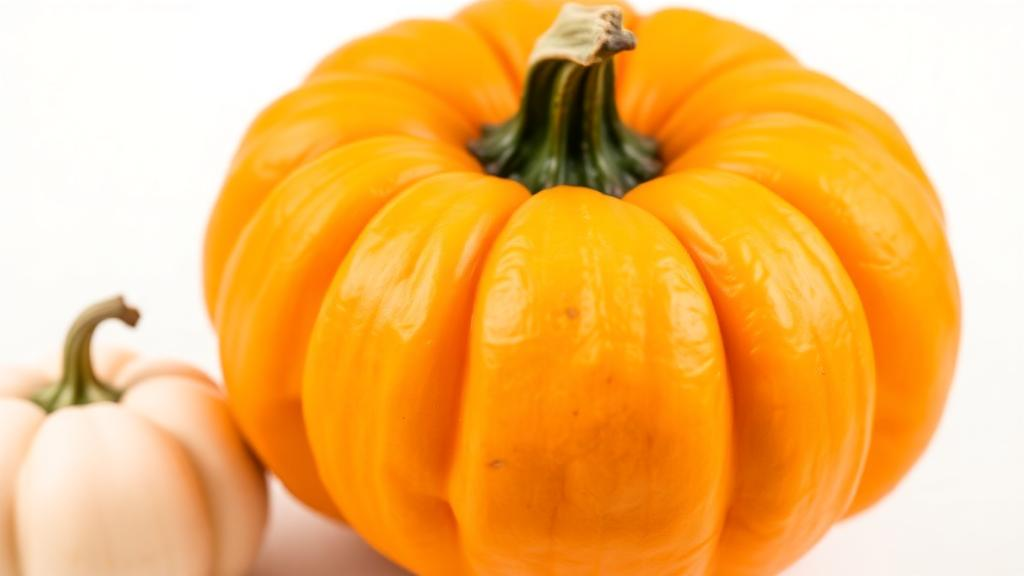
Fluted pumpkin (Telfairia occidentalis Hook. f.), the dioecious climbing vegetable known across West Africa as ugu or ugwu, is the subject of a new narrative review published open access in the Springer Nature journal Food, Nutrition and Health on 12 August 2026. The review, led by Chinaza Godswill Awuchi with colleagues including Adams Ovie Iyiola, Sana Noreen, Peter Chikezie Ayogu, Dendegh Terwase Abraham and Madiha Khan Niazi, pulls together recent studies on the plant’s nutritional, phytochemical, nutraceutical and therapeutic properties, covering its leaves, seeds, fruits and whole plant. Its central message is double-edged: the plant is genuinely rich in protein, minerals, vitamins, essential amino acids and bioactive phytochemicals, yet almost all of the claimed medicinal effects rest on animal and laboratory studies that have never been confirmed in humans.
The review situates the species firmly within the gourd family, Cucurbitaceae, citing the accepted binomial nomenclature published by Joseph Dalton Hooker in 1871 and a full taxonomic hierarchy running from the kingdom Plantae down through the order Cucurbitales to the genus Telfairia. The plant is described as a vigorous, tendril-climbing perennial herb that can exceed 20 metres in length under favourable conditions, native to the humid forests of West Africa, particularly southeastern Nigeria, where it has been domesticated for centuries. Its fruits are among the largest known, marked by ten prominent longitudinal ridges, and its large, non-endospermic, often dark-red seeds are protected by a bright-yellow fibrous endoscarp. No recent molecular or morphological studies have proposed synonymy changes, and the nomenclature remains stable.
Nutritionally, the review reports that the leaves are rich in protein, at roughly 29 percent, along with fat, minerals and vitamins, and contain abundant phosphorus, calcium, zinc, iron and copper. The seeds contain about 30 percent protein and a high content of non-drying oil; one cited analysis lists 4.8 percent total ash, 23 percent carbohydrates, 45 percent fat, 20.5 percent protein and 2.2 percent fibre, with seed oil containing roughly 61 percent unsaturated fatty acids. Average vitamin contents in the fruit include vitamin C at 9.0 mg per 100 g and vitamin A at 0.43 mg per 100 g, alongside measurable B vitamins and vitamin E. The leaves also supply iron, calcium, potassium, magnesium, manganese, copper and sodium, and phytochemical screening has confirmed alkaloids, saponins, phenols, tannins, flavonoids and amino acids such as histidine and cysteine.
The review is candid about safety limits within the plant itself. Older leaves, stem, root and seeds contain appreciable amounts of antinutrients such as oxalates and phytates, with the highest contents in the roots, while younger leaves show high levels of cyanide and tannins. Mature seeds are therefore not eaten directly; they are cooked, roasted or fermented over several days, as in the traditional West African seasoning Ogiri, before the antinutrients are removed and the seeds can be safely consumed as a slurry. The authors also note that the root is believed to be poisonous: the root’s aqueous extract significantly damaged the stomach mucosal lining in studies, and the root has been linked to nephrotoxicity, although oral administration of an ethanolic root extract appeared less harmful than previously thought.
Turning to therapeutic claims, the review catalogues an unusually long list of reported pharmacological activities attributed to the plant in preclinical work: neuroprotective, hepatoprotective, antioxidant, anti-ulcer, pro-reproduction, anti-inflammatory, antiplasmodial, anticancer, antimicrobial, antinociceptive, anti-hyperlipidemic, antidiabetic and antianaemic effects. On neuroprotection, recent rodent studies reportedly show that aqueous leaf extracts counteract cadmium-induced neurotoxicity by restoring superoxide dismutase, glutathione peroxidase and catalase activities in brain tissue while suppressing malondialdehyde accumulation. On hepatoprotection, methanolic seed extract significantly attenuated carbon tetrachloride-induced elevations in AST, ALT, alkaline phosphatase and bilirubin in Wistar rats, and leaf paste formulations reduced liver enzyme activities in diethylnitrosamine-induced hepatotoxicity models. The authors stress, however, that these rodent studies share recurring limitations: small cohorts, absent phytochemical fingerprinting, no evaluation against chronic liver disease, and even paradoxical enzyme elevations at certain doses of aqueous leaf extract.
The anticancer and antiplasmodial sections illustrate the review’s cautious analytical stance. Seed extracts combined with Annona muricata suppressed prostate tumour progression markers in Wistar rat models, reducing serum prostate-specific antigen levels and Ki-67 immunoexpression, and nanoencapsulation markedly enhanced the bioavailability and antiproliferative effects of key bioactives including gallic acid, kaempferol, rutin and chlorogenic acid, with documented activity against prostate and breast cancer cell lines. Yet the authors state plainly that robust clinical trials are urgently required to confirm safety, dosing and translational value in human oncology. For malaria, aqueous leaf extract at 250 to 500 mg per kg suppressed Plasmodium berghei parasitaemia by 83 to 85 percent in mouse models, and stem extracts reached 69.7 percent suppression at the highest dose, below chloroquine’s 92.8 percent. The review judges these rodent-only findings, which lack any human or P. falciparum data, as thin, modest in potency and insufficient to support therapeutic claims.
Similar restraint runs through the sections on ulcers, inflammation, lipids and microbes. Aqueous leaf extract at 200 mg per kg showed cytoprotection against gastric ulcers in rats, reducing total gastric acid output to 19.9 microequivalents over four hours, but protection never matched standard drugs and relied on unconfirmed antioxidant mechanisms, with zero human data. Methanolic seed extract at 400 mg per kg reduced formalin-induced paw licking in rats by 35.59 percent in the neurogenic phase and 78.51 percent in the inflammatory phase, yet these effects rarely approached those of morphine, aspirin or indomethacin, and no human trials exist. Aqueous leaf extract at 50 to 150 mg per kg lowered total cholesterol, LDL-cholesterol and triglycerides in high-fat-diet-induced hyperlipidemic Sprague-Dawley rats while raising HDL-cholesterol, but the model involved acute dietary induction rather than chronic dyslipidaemia, and no comparison against statins has been made. In antimicrobial testing, hydroethanolic leaf extracts reduced E. coli, coliforms and salmonella in broiler cecal models, but in vitro activity was consistently inferior to standard antibiotics, with poorly standardized MIC and MBC values.
Where the evidence is somewhat more consistent is in antioxidant and haematological work, though still entirely preclinical. Aqueous leaf extract outperformed ethanolic extract in total phenol content, reducing power and free radical scavenging, with 92 percent versus 25 percent scavenging capacity, and leaf preparations outperformed Psidium guajava stem bark in vitamin C, total flavonoids and phenolics. Hydroethanolic leaf extracts delivered 173.7 mg GAE per gram of polyphenols, and leaf powder reached total phenolics of 25.86 mg per gram. In anaemia models, the n-butanol fraction of leaf extract significantly raised red blood cell count, haemoglobin and platelet counts in rats, and fruit mesocarp aqueous extract restored packed cell volume, haemoglobin and red blood cell counts in phenylhydrazine-induced anaemic rats. The review notes, however, that these findings derive almost exclusively from in vitro or acute rodent assays lacking standardized extraction protocols or human bioavailability data.
Beyond medicine, the review documents emerging applications in food technology and agriculture. Leaf powder fortification enhances the nutritional profile and techno-functional properties of staples such as cassava pasta, bread, cookies and snacks, and freeze-dried fruit pulp at concentrations from 0.1 to 2.0 percent w/v showed good suspendability, flow rates and redispersion, suggesting potential as a tablet binder, disintegrant and emulsifying agent in pharmaceutical formulation. Leaf extract has also been used to synthesise silver oxide nanoparticles with antimicrobial activity without an external reducing agent. In aquaculture, dietary inclusion of leaf meal at 1 to 5 percent improved weight gain, specific growth rate, feed conversion ratio and survival in Clarias gariepinus fingerlings, and fermented seed meal enabled near-complete soybean replacement, although results were inconsistent at higher inclusion levels owing to uncharacterised antinutritional factors.
The review’s conclusion is measured rather than promotional. A first complete genome assembly of the species and nanoencapsulation advances provide molecular and delivery tools that could accelerate cultivar improvement and bioavailability optimisation, but the evidence base remains dominated by acute rodent and poultry models, with high extract variability across plant parts, solvents and growing conditions, inconsistent phytochemical profiling, and a conspicuous absence of well-controlled human clinical trials, standardized dosages and long-term safety data. The authors recommend standardized extraction and analytical protocols, well-powered human trials and rigorous toxicological evaluation before fluted pumpkin can move from ethnobotanical promise to validated nutraceutical or therapeutic use. Until those gaps close, the plant remains what it has long been: a nutritionally valuable West African vegetable with intriguing but unproven medicinal potential.
Subject of Research: A narrative review of the nutritional composition, phytochemistry and preclinical therapeutic properties of fluted pumpkin (Telfairia occidentalis)
Article Title: Functional, phytochemical, nutraceutical, and therapeutic properties and potentials of fluted pumpkin (Telfairia occidentalis Hook. f.)
Article References: Awuchi, C. G., Iyiola, A. O., Noreen, S., Ayogu, P. C., Abraham, D. T., & Niazi, M. K. (2026). Functional, phytochemical, nutraceutical, and therapeutic properties and potentials of fluted pumpkin (Telfairia occidentalis Hook. f.). Food, Nutrition and Health, 3(1), Article 27. https://doi.org/10.1007/s44403-026-00063-2
Image Credits: AI Generated
DOI: 10.1007/s44403-026-00063-2
Keywords: fluted pumpkin, Telfairia occidentalis, phytochemicals, nutraceuticals, preclinical studies, antioxidants, hepatoprotection, antimalarial, food fortification, West Africa, Cucurbitaceae, clinical trials
News Source: Alan Morgan. (October 29, 2026). Fluted Pumpkin Review Finds Rich Nutrients but Mostly Preclinical Health Evidence. Scienmag.



