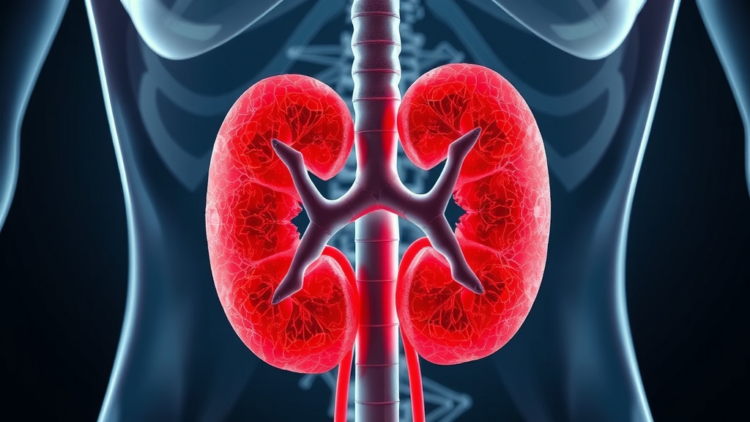
In a groundbreaking exploratory study recently presented at the 63rd European Renal Association Congress, researchers have unveiled compelling evidence demonstrating the kidney-protective effects of finerenone, a novel nonsteroidal mineralocorticoid receptor antagonist, in patients suffering from glomerular diseases. This class of kidney disorders, marked by inflammation and damage to the glomeruli—the vital filtering units of the kidney—poses significant risks of progressive renal function decline and eventual kidney failure. Finerenone’s efficacy in attenuating these pathophysiological processes shines a hopeful spotlight on therapeutic advancements for a patient population that has historically faced limited treatment options.
The study’s design leveraged an advanced analytical framework to explore finerenone’s mechanistic impact on renal function over time. Unlike steroidal mineralocorticoid receptor antagonists, which have been associated with adverse side effects such as hyperkalemia, finerenone’s structure allows for selective inhibition of mineralocorticoid receptors with diminished off-target effects. This specificity translates into a safer pharmacological profile while effectively mitigating inflammatory and fibrotic pathways contributing to glomerular injury.
A primary outcome of the investigation was the notable deceleration in the rate of kidney function decline among treated individuals, quantified through measurements of glomerular filtration rate (GFR). Finerenone administration led to a statistically significant preservation of GFR trajectories, suggesting a meaningful slowing of the disease’s natural progression. This effect is clinically vital because preserving kidney function directly correlates to prolonged dialysis-free survival and improved quality of life, circumventing the irreversible endpoint of kidney failure.
Furthermore, the study highlighted finerenone’s substantial impact on albuminuria, the pathological hallmark of glomerular dysfunction characterized by abnormal leakage of albumin into the urine. Albuminuria not only signifies ongoing renal damage but also serves as a biomarker for cardiovascular risk. Finerenone’s ability to reduce albuminuria indicates a restoration of the glomerular filtration barrier’s integrity, thereby mitigating protein loss and its deleterious systemic consequences.
The pharmacodynamics underpinning finerenone’s therapeutic effects encompass multifaceted pathways, including attenuation of oxidative stress, suppression of proinflammatory cytokines, and blockade of profibrotic signaling cascades driven by aldosterone-mediated mineralocorticoid receptor activation. This multifactorial mode of action interrupts the vicious cycle of glomerular inflammation and fibrosis which perpetuates renal injury and promotes eventual kidney failure.
Crucially, the research delineated a statistically significant reduction in the incidence of kidney failure or substantial loss of kidney function in patients undergoing finerenone treatment compared to control individuals. These outcomes underscore the agent’s disease-modifying potential, transcending symptomatic management to alter underlying pathological trajectories. For clinicians, this represents a paradigm shift towards earlier intervention strategies aimed at durable kidney protection.
The trial’s exploratory nature notwithstanding, its robust methodology and clinically relevant endpoints have galvanized interest in finerenone’s incorporation into treatment algorithms for glomerular diseases. Future large-scale randomized controlled trials will be essential to validate these findings and delineate optimal dosing regimens, safety profiles, and patient selection criteria to maximize clinical benefit while mitigating potential adverse effects.
Beyond individual patient impact, finerenone’s introduction may have profound public health implications, given the global burden of chronic kidney diseases and the consequent strain on healthcare resources, including renal replacement therapies like dialysis and transplantation. Effective pharmacological interventions that retard disease progression can alleviate such demands, reducing morbidity and healthcare expenditure on a population scale.
Moreover, finerenone’s efficacy in glomerular diseases may pave the way for exploration of its utility in other nephropathic conditions characterized by mineralocorticoid receptor-mediated pathology, including diabetic nephropathy and hypertensive renal damage. Such expanded indications could further consolidate its role as a cornerstone in nephrology therapeutics.
The study also exemplifies the growing importance of integrating molecular pharmacology with clinical nephrology to develop targeted interventions. Finerenone represents a culmination of efforts to design selective receptor modulators that provide therapeutic benefits without the deleterious side effects traditionally associated with steroidal counterparts, embodying the next frontier in precision medicine for kidney diseases.
In summary, the promising findings from this cutting-edge research highlight finerenone as a potent agent in slowing kidney function decline, reducing albuminuria, and lowering the risk of kidney failure in patients afflicted with glomerular diseases. These results ignite a beacon of hope not only for affected individuals but also for the broader nephrological community striving to combat an increasingly prevalent global health challenge with innovative, efficacious, and safe treatments.
Subject of Research: Therapeutic effects of finerenone in glomerular diseases
Article Title: Not specified
News Publication Date: Not specified
Web References: Not provided
References: DOI: 10.1001/jama.2026.9923
Image Credits: Not provided
Keywords: Kidney, Nephropathies, Medical treatments, Risk factors, Renal failure, Population, Antagonists, Medications, Steroid hormones, Data analysis
Tags: fibrotic pathways in kidney injuryfinerenone and chronic kidney diseaseglomerular diseases treatmentglomerular filtration rate preservationhyperkalemia risk reductioninflammation in glomerular diseaseskidney-protective effects of finerenonemineralocorticoid receptor specificitynonsteroidal mineralocorticoid receptor antagonistnovel therapies for renal function declineprogressive renal function decline managementtherapeutic advancements in nephrology