• HOME
  • NEWS
  • EXPLORE
    • CAREER
      • Companies
      • Jobs
    • EVENTS
    • iGEM
      • News
      • Team
    • PHOTOS
    • VIDEO
    • WIKI
  • BLOG
  • COMMUNITY
    • FACEBOOK
    • INSTAGRAM
    • TWITTER
Friday, August 21, 2026
BIOENGINEER.ORG
No Result
View All Result
  • Login
  • HOME
  • NEWS
  • EXPLORE
    • CAREER
      • Companies
      • Jobs
        • Lecturer
        • PhD Studentship
        • Postdoc
        • Research Assistant
    • EVENTS
    • iGEM
      • News
      • Team
    • PHOTOS
    • VIDEO
    • WIKI
  • BLOG
  • COMMUNITY
    • FACEBOOK
    • INSTAGRAM
    • TWITTER
  • HOME
  • NEWS
  • EXPLORE
    • CAREER
      • Companies
      • Jobs
        • Lecturer
        • PhD Studentship
        • Postdoc
        • Research Assistant
    • EVENTS
    • iGEM
      • News
      • Team
    • PHOTOS
    • VIDEO
    • WIKI
  • BLOG
  • COMMUNITY
    • FACEBOOK
    • INSTAGRAM
    • TWITTER
No Result
View All Result
Bioengineer.org
No Result
View All Result
Home NEWS Science News Health

Findings from Marshall University researcher reveal insights into brain circuitry

Bioengineer by Bioengineer
August 10, 2018
in Health
Reading Time: 2 mins read
0
Share on FacebookShare on TwitterShare on LinkedinShare on RedditShare on Telegram
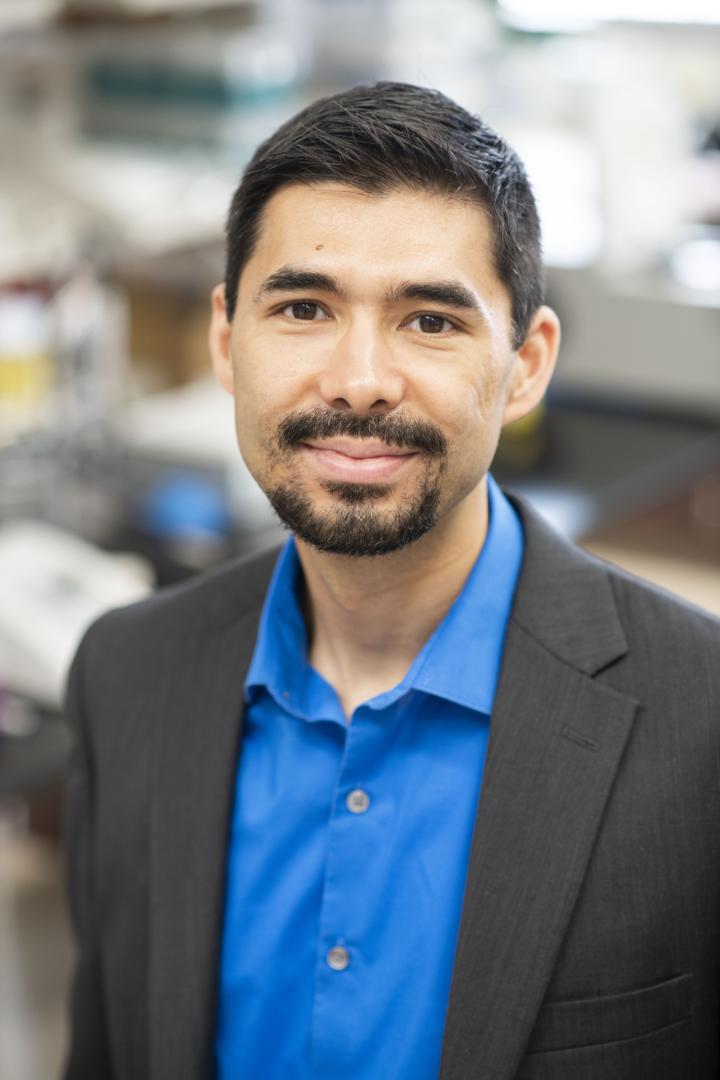
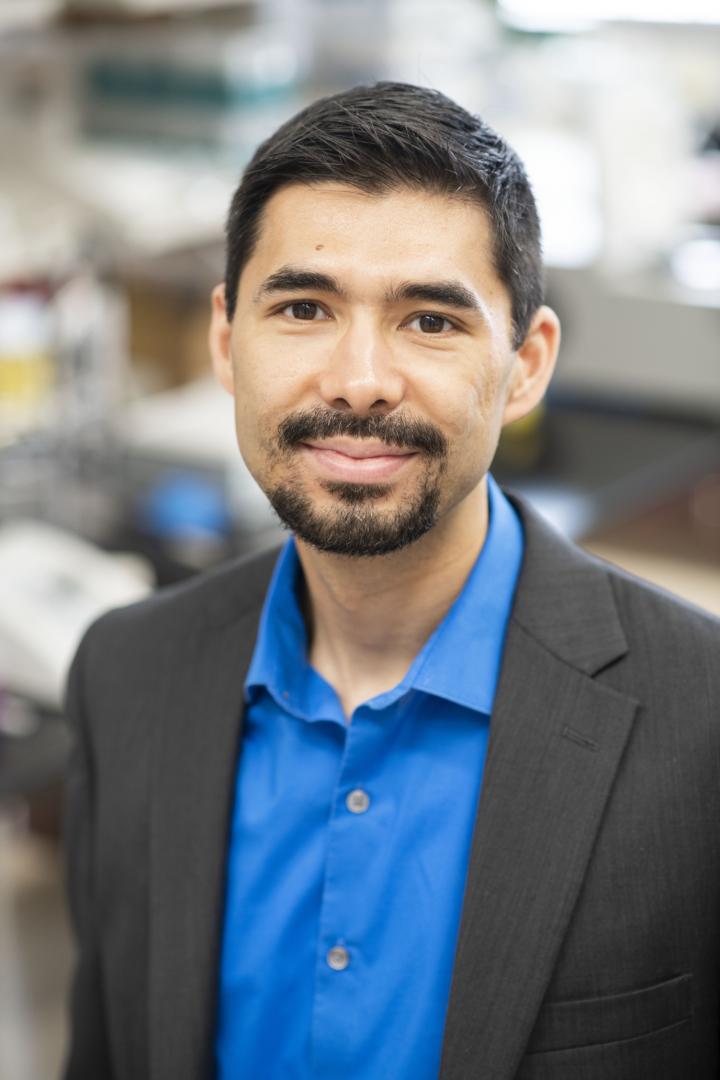
IMAGE

Credit: Marshall University Joan C. Edwards School of Medicine

HUNTINGTON, W.Va. – New research from a team led by Marshall University scientist W. Christopher Risher, Ph.D., reveals novel molecular insights into how multiple cell types drive the formation and maturation of brain circuits.

The brain is a highly complex organ that enables us to think, remember, move and perform simple to complicated tasks. These processes require the function of circuits in the brain made up of connections between cells called neurons. Neurons contact each other at sites known as synapses.

Risher, an assistant professor in the department of biomedical sciences at the Marshall University Joan C. Edwards School of Medicine, and the team studied synapses in the cerebral cortex, a brain region that controls sensory information processing and motor control. The study involved the use of mice that were missing the α2δ-1 receptor, which is necessary for how neurons respond to signals coming from non-neuronal cells called astrocytes. α2δ-1 is significant because it is also the receptor for the commonly prescribed pain medication, gabapentin. With α2δ-1 missing, cortical neurons made very few synapses with each other, showing that brain circuitry was highly impaired.

Using a technique called 3D electron microscopy, the authors determined that α2δ-1 was also required for proper synapse structure. Risher et al. further observed that α2δ-1 is able to promote synapse formation and growth through a well-known signaling molecule called Rac1, while promotion of α2δ-1 and/or Rac1 signaling is sufficient to restore brain connectivity.

The work by Risher et al. provides new insights into the development of impaired synaptic circuitry that exists in most psychiatric disorders, implicating astrocyte-to-neuron signaling as a major therapeutic target.

"Though this work is primarily basic cellular and molecular biology, there are a number of implications raised for neurological/neuropsychiatric disease, particularly autism and addiction," Risher said. "These results indicate that astrocytes are critical for the formation of functional neuronal networks in a region of the brain that controls many higher order functions. This signaling pathway can be inhibited by gabapentin, suggesting that synaptic dysfunction in conditions commonly treated by gabapentin, including seizure, neuropathic pain and addiction, is due to impairments in these cellular processes."

The team's findings were published July 27, 2018, in the Journal of Cell Biology.

###

In addition to Risher, the research team also included researchers from Duke University and Massachusetts Institute of Technology. To read the article in its entirety, please visit http://jcb.rupress.org/content/early/2018/07/26/jcb.201802057.

Media Contact

Sheanna Spence
[email protected]
304-691-1639
@MUSOMWV

http://www.musom.marshall.edu

Related Journal Article

http://dx.doi.org/10.1083/jcb.201802057

Share14Tweet8Share2ShareShareShare2

Related Posts

Scientists warn free-to-play games hide high costs, urging stronger player protections

August 21, 2026
Brain-penetrating nanotherapy blocks haem oxygenase-1 ferroptosis, protecting brains after resuscitation

Brain-penetrating nanotherapy blocks haem oxygenase-1 ferroptosis, protecting brains after resuscitation

August 21, 2026

Rewired metabolism in zombie-like cells fuels destructive inflammation during aging

August 21, 2026

World Mosquito Day 2026: EU scientists urge mosquito control as diseases rise

August 21, 2026
Please login to join discussion

POPULAR NEWS

  • Scientists warn free-to-play games hide high costs, urging stronger player protections

    29 shares
    Share 12 Tweet 7
  • Brain-penetrating nanotherapy blocks haem oxygenase-1 ferroptosis, protecting brains after resuscitation

    29 shares
    Share 12 Tweet 7
  • Systematic review finds persistent inflammatory dysregulation in people with cerebral palsy

    29 shares
    Share 12 Tweet 7
  • Rewired metabolism in zombie-like cells fuels destructive inflammation during aging

    29 shares
    Share 12 Tweet 7

About

BIOENGINEER.ORG

We bring you the latest biotechnology news from best research centers and universities around the world. Check our website.

Follow us

Recent News

Scientists warn free-to-play games hide high costs, urging stronger player protections

Brain-penetrating nanotherapy blocks haem oxygenase-1 ferroptosis, protecting brains after resuscitation

Systematic review finds persistent inflammatory dysregulation in people with cerebral palsy

Subscribe to Blog via Email

Enter your email address to subscribe to this blog and receive notifications of new posts by email.

Join 85 other subscribers
  • Contact Us

Bioengineer.org © Copyright 2023 All Rights Reserved.

Welcome Back!

Login to your account below

Forgotten Password?

Retrieve your password

Please enter your username or email address to reset your password.

Log In
No Result
View All Result
  • Homepages
    • Home Page 1
    • Home Page 2
  • News
  • National
  • Business
  • Health
  • Lifestyle
  • Science

Bioengineer.org © Copyright 2023 All Rights Reserved.