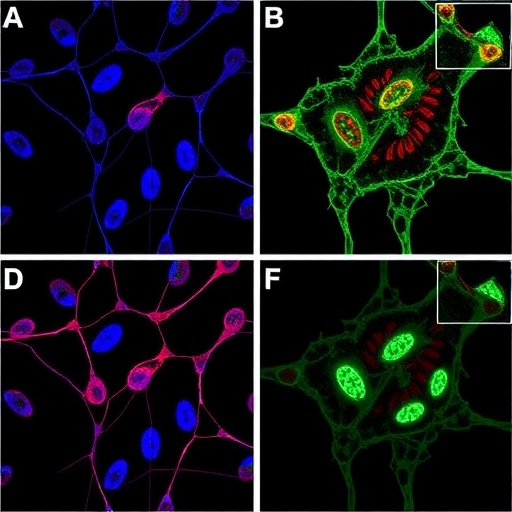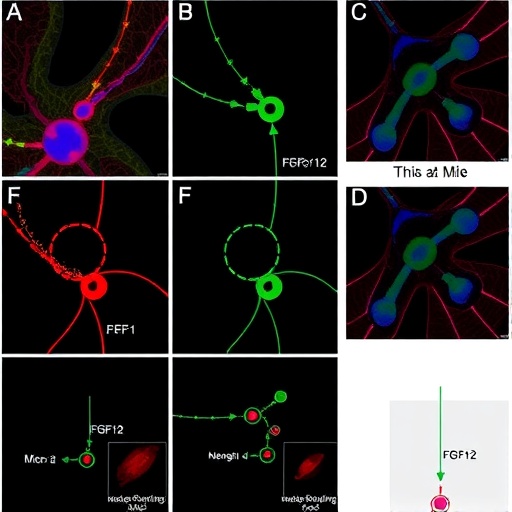
In a groundbreaking study published in “Experimental and Molecular Medicine,” researchers have uncovered the pivotal role of Fibroblast Growth Factor 12 (FGF12) in the modulation of mechanosignaling pathways within aortic smooth muscle cells. This research is particularly relevant for the understanding of thoracic aortic aneurysm formation, especially in the context of Marfan syndrome, a genetic disorder known for its impact on connective tissue. Marfan syndrome has been associated with serious cardiovascular complications, and recent advances in molecular biology have opened up new avenues for understanding its underlying mechanisms.
The study was conducted by a team led by prominent researchers Kim, K.L., Kim, M., and Hwang, Y., who meticulously examined the processes by which FGF12 influences cellular responses to mechanical stress. By utilizing a mouse model genetically predisposed to Marfan syndrome, the researchers were able to observe firsthand how aberrant FGF12 expression could disrupt normal signaling pathways and lead to the structural vulnerabilities characteristic of aortic aneurysms. The observation of these phenomena in a controlled laboratory setting offers vital insights into potential therapeutic interventions.
FGF12, a member of the FGF family, is known to be involved in numerous biological processes, including cell proliferation, differentiation, and survival. Throughout the study, researchers emphasized that the mechanosensory responses of smooth muscle cells within the aorta play a foundational role in maintaining vascular integrity. The disruption of these responses, particularly in the setting of Marfan syndrome, paves the way for pathological changes that can culminate in catastrophic outcomes like aneurysm formation.
The methodology employed in this study was extensive. The researchers utilized advanced imaging techniques to visualize the cellular dynamics and mechanosignaling pathways in real time. This allowed for a deeper understanding of how FGF12 and its signaling partners interact with other cellular proteins under stress conditions. This investigation revealed that aberrant FGF12 signaling leads to misregulated mechanosensory responses, positioning it as a potential target for future therapeutic strategies aimed at mitigating aneurysm formation.
Understanding the impact of FGF12 on aortic smooth muscle cells is critical for identifying new biomarkers for early diagnosis. With the prevalence of Marfan syndrome being comparatively low, pinpointing molecular markers like FGF12 could allow for earlier clinical intervention. The correlation between increased FGF12 expression and the initiation of aberrant mechanosignaling opens a dialogue regarding patient-specific treatment plans that could radically improve outcomes for individuals at risk.
The implications of this research extend beyond Marfan syndrome itself. Cardiovascular diseases represent a leading cause of mortality worldwide, and mechanisms governing vascular resilience are of paramount interest in cardiovascular research. Understanding how factors like FGF12 contribute to vascular remodeling and integrity is pivotal for developing novel therapeutic approaches. The study highlights not only the biological significance of FGF12 but also its potential as a target in drug discovery aimed at fortifying vascular stability.
Moreover, the researchers discussed the therapeutic potential of targeting mechanosignaling pathways affected by FGF12. This is particularly salient given that current treatment options for thoracic aortic aneurysms primarily revolve around surgical interventions, which can be invasive and carry significant risks. The prospect of an innovative pharmacological approach to stabilize aortic structures presents a transformative vision for managing aortic diseases, especially in patients carrying genetic predispositions like Marfan syndrome.
The research is a testament to the advancements in genomics and molecular biology that have enabled more precise exploration of vascular pathologies. As we advance into an era of personalized medicine, studies like these elucidate the genetic and molecular underpinnings of conditions that affect countless individuals. As we delve deeper, the hope is to translate these findings into clinical solutions that can prevent complications, reduce healthcare costs, and ultimately enhance the quality of life for affected patients.
As FGF12 emerges as a key player in this neurovascular dialogue, the pathway toward targeted therapies has never seemed more within reach. The concept that a single protein can instigate a cascade of events leading to severe systemic consequences underscores the importance of continued research in this area. The confluence of genetic predisposition and environmental influences warrants further investigation into how our body’s responses can be finely tuned to prevent disastrous outcomes.
Indeed, this study sets a solid foundation for future research avenues. The next steps could involve leveraging cutting-edge CRISPR technology to manipulate FGF12 expression levels to further elucidate its function in mechanosignaling. Furthermore, discovering small molecule inhibitors or monoclonal antibodies that target the aberrant pathways activated by FGF12 may prove instrumental in safeguarding against the progression of thoracic aortic aneurysms.
Such innovations underscore the dynamic landscape of cardiovascular research, which continuously strives toward resolving complex, multifaceted health challenges. The potential for FGF12-based therapies to alter the treatment landscape for vascular anomalies presents an exciting new chapter in the realm of cardiovascular medicine. With collaboration across various scientific disciplines, the goal of enhancing patient outcomes through innovative solutions becomes increasingly achievable.
In essence, this investigation adds another critical piece to the puzzle of vascular biology as it applies to heritable conditions. Through focused research efforts, we now stand on the brink of refining our understanding and intervention strategies for aortic diseases. With each breakthrough, the vision of a future free from the ravages of these life-threatening conditions feels increasingly tangible.
As this knowledge percolates through the scientific and medical community, the real challenge lies in translating these fundamental discoveries into clinical realities that can ultimately save lives. The weight of responsibility lies with researchers, clinicians, and policymakers alike to harness insights from studies like this one and effectuate meaningful change in the field of cardiovascular health.
Subject of Research: The role of FGF12 in mechanosignaling related to thoracic aortic aneurysm formation in Marfan syndrome.
Article Title: FGF12 induces aberrant mechanosignaling in aortic smooth muscle cells during thoracic aortic aneurysm formation in Marfan syndrome mice.
Article References:
Kim, K.L., Kim, M., Hwang, Y. et al. FGF12 induces aberrant mechanosignaling in aortic smooth muscle cells during thoracic aortic aneurysm formation in Marfan syndrome mice.
Exp Mol Med (2026). https://doi.org/10.1038/s12276-025-01621-y
Image Credits: AI Generated
DOI: 10.1038/s12276-025-01621-y
Keywords: FGF12, mechanosignaling, thoracic aortic aneurysm, Marfan syndrome, vascular biology, cardiovascular disease, targeted therapy, genetic predisposition.
Tags: cardiovascular complications in connective tissue disorderscellular responses to mechanical stressexperimental studies on aneurysm formationFGF12 and mechanosignalingfibroblast growth factors in cardiovascular healthgenetic predisposition to thoracic aortic aneurysminsights into cardiovascular disease mechanismsMarfan syndrome and aortic aneurysmmolecular biology of aortic aneurysmsresearch on connective tissue diseasesrole of FGF12 in smooth muscle cellstherapeutic interventions for Marfan syndrome