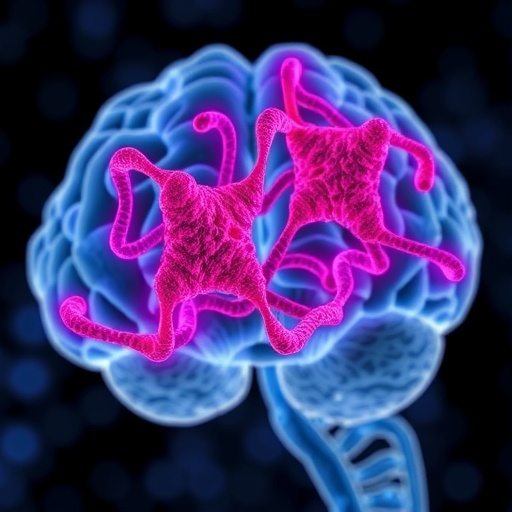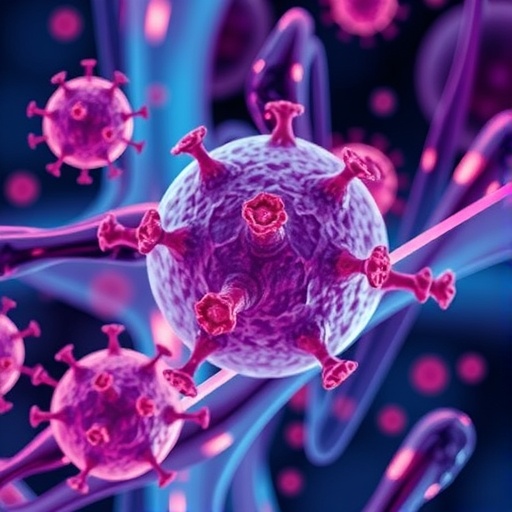
In the intricate labyrinth of the human immune system, approximately 1.8 trillion immune cells relentlessly patrol the body, standing guard against a myriad of threats such as bacteria, viruses, cancers, and other harmful agents. This vast cellular defense network constitutes a formidable barrier, constantly surveying for intruders to neutralize. Vaccines harness and amplify the capabilities of this internal army by educating these immune cells, enabling them to recognize and target specific pathogens effectively. According to authoritative data from the World Health Organization, vaccine-induced immunity is responsible for an astonishing saving of roughly six lives every minute worldwide, underscoring the transformative impact of vaccination initiatives on global health over the past half-century.
Yet, a pivotal question remains at the heart of immunological science: how enduring is this protective immune memory conferred by vaccines? Shane Crotty, Ph.D., a distinguished Professor and Chief Scientific Officer at the La Jolla Institute for Immunology, emphasizes that despite significant advances, our comprehension of long-term immune memory is still evolving. Traditionally, immunological research has been constrained by an observational window rarely extending beyond six months to a year post-vaccination. This temporal limitation has impeded a comprehensive understanding of the intricate dynamics governing immune memory maintenance over prolonged periods.
Crotty’s recent review article, published in the journal Immunity, delves into the advancing frontiers of immunological memory research. This critical synthesis highlights emerging insights that promise to propel vaccine innovation, aiming to elicit not only potent but also durable immune responses against formidable diseases. The COVID-19 pandemic has served as a stark reminder of the urgency behind this scientific quest, revealing the complexities of viral evolution and immune system adaptation.
The SARS-CoV-2 vaccines have demonstrated remarkable proficiency in training immune cells to retain memory against the virus for years, affording substantial protection against severe disease. Crotty notes that these vaccines may surpass many traditional vaccines in their capacity to generate robust immune memory. However, the continuous emergence of viral variants – from Delta and Gamma to Omicron and beyond – presents a formidable challenge. Mutations rapidly alter viral epitopes, compelling the immune system to adapt in real-time and necessitating a nuanced understanding of how immune memory evolves and persists amidst such antigenic drift.
Central to this adaptive immune landscape are B lymphocytes, critical architects of humoral immunity. Originating in the bone marrow, these cells migrate to specialized microenvironments called germinal centers within lymphoid tissues, where they undergo a rigorous selection and maturation process. This ‘bootcamp’ primes B cells to produce high-affinity antibodies, tailored to neutralize specific pathogens efficiently. Upon encountering an antigen, mature B cells discharge cascades of antibodies, neutralizing pathogens before infection can disseminate. The legacy of infection or vaccination is preserved by memory B cells, which circulate for years, sometimes decades, vigilantly poised to counter future invasions.
Intriguingly, vaccines emulate this natural infection process by presenting molecular cues that stimulate B cell bootcamp mechanisms. Crotty’s seminal research revealed that individuals vaccinated against smallpox retain memory B cells even six decades later, a testament to the remarkable longevity of vaccine-elicited immune memory. Parallel findings indicate that COVID-19 vaccines similarly incite durable B cell memory, dispelling misconceptions about waning immunity. The crux of current challenges lies not in the ephemeral nature of immune memory but in the virus’s relentless mutation, which undermines previously established immune defenses.
The dynamism of SARS-CoV-2 variants exemplifies a “blame-the-virus” scenario, where the pathogen’s genetic evolution outpaces static immune responses, necessitating continual updates to vaccine formulations and immunization strategies. To address this, Crotty advocates for extended longitudinal studies extending beyond the conventional six-month framework, investigating whether memory B cells retain the flexibility to recognize and neutralize newly emerging viral variants. This knowledge could refine booster shot schedules and optimize vaccine design to balance durability and breadth of protection.
While blood samples have been the primary medium for monitoring immune memory, Crotty’s team recognized the limitations inherent in this approach. Circulating immune cells are accessible but do not represent the full spectrum of immunological defenders. Tissue-resident memory cells, embedded within local tissues such as the nasal mucosa, serve as frontline sentinels against invading respiratory pathogens. These cellular populations have remained largely hidden due to the invasive nature of tissue sampling.
Innovation came in the form of a minimally invasive nasal swabbing technique pioneered by Crotty’s laboratory. This method enables real-time monitoring of tissue-resident B and T memory cells in the upper respiratory tract, the primary gateway for airborne viruses. Their 2024 study demonstrated that nasal swabs effectively capture immune cells, tracking their response dynamics post-vaccination or infection. This breakthrough opens new vistas in immunological research, offering a practical assay to evaluate vaccine-induced mucosal immunity and informing the development of intranasal vaccines designed to elicit localized protective responses where they are most urgently needed.
The implications of understanding and harnessing tissue-resident immune memory are profound. While circulating immune cells are vital systemic responders, tissue-resident cells can mount rapid and potent defenses at the portal of entry, potentially halting infections before they establish a foothold. Most existing vaccines predominantly induce systemic immune memory, often overlooking these specialized tissue compartments. Advancing vaccines that can specifically stimulate robust immunity within respiratory tissues could revolutionize preventive strategies against viruses like influenza and coronaviruses, reducing transmission and disease severity.
Scientific advances since the advent of the COVID-19 pandemic have also hinted at the potential for universal vaccines capable of targeting multiple viral strains simultaneously. These broad-spectrum vaccines aim to circumvent antigenic variation by eliciting cross-reactive immune memory. Research from the La Jolla Institute continues to explore this frontier, leveraging insights into the adaptive immune system’s flexibility and the molecular basis of immune memory longevity to forge next-generation immunotherapies.
In summary, as the scientific community progressively elucidates the complexities of immune memory, it becomes increasingly clear that vaccine-induced protection is not a transient phenomenon but a durable defense mechanism when appropriately understood and harnessed. The challenges posed by rapidly mutating viruses underscore the need for innovative research methodologies, including tissue-specific immune monitoring and extended longitudinal studies. Such advances hold the promise of shaping a future where vaccines are not merely reactive tools but proactive agents of long-lasting global health security.
Subject of Research: Not applicable
Article Title: Immunological memory to vaccines
News Publication Date: 14-Apr-2026
Web References:
WHO Vaccine Impact Report
La Jolla Institute Chirality Lab
Immunity Journal Article
Nasal Swabbing Immune Study
References:
Crotty, S. (2026). Immunological memory to vaccines. Immunity. DOI: 10.1016/j.immuni.2026.02.019
Keywords:
Immune system, Memory B cells, Memory T cells, Immunological memory, Adaptive immune system, Health and medicine, Human health, Infectious disease transmission, Pathogens, Viruses, Coronavirus, SARS-CoV-2, Vaccine research, Vaccine development
Tags: advances in immunologyglobal vaccination impacthuman immune cell populationimmune cell defense mechanismsimmune memory durabilityimmune system functionimmunological research challengeslong-term immune memorypathogen recognition by immune cellsrole of vaccines in disease preventionShane Crotty immunology researchvaccine-induced immunity