A comparative investigation led by researchers at the University of Vermont has revealed that the choice of cell culture medium utilized during the preliminary expansion of mouse tracheal basal cells exerts a profound and lasting influence on their subsequent differentiation, structural morphogenesis, and metabolic programming in three-dimensional organoid cultures. While organoid models derived from adult airway stem cells have become indispensable tools for investigating respiratory epithelial regeneration, environmental injury, and chronic lung pathogenesis, wide methodological variation persists across published protocols. By conducting a systematic side-by-side assessment of three widely cited expansion media formulations, the research team demonstrated that divergent upstream culture conditions prime basal stem cells toward markedly distinct biological trajectories, fundamentally changing organoid formation efficiency, lumen development, energy metabolite secretion, and broad transcriptomic profiles even when all downstream three-dimensional differentiation steps are executed under identical conditions.
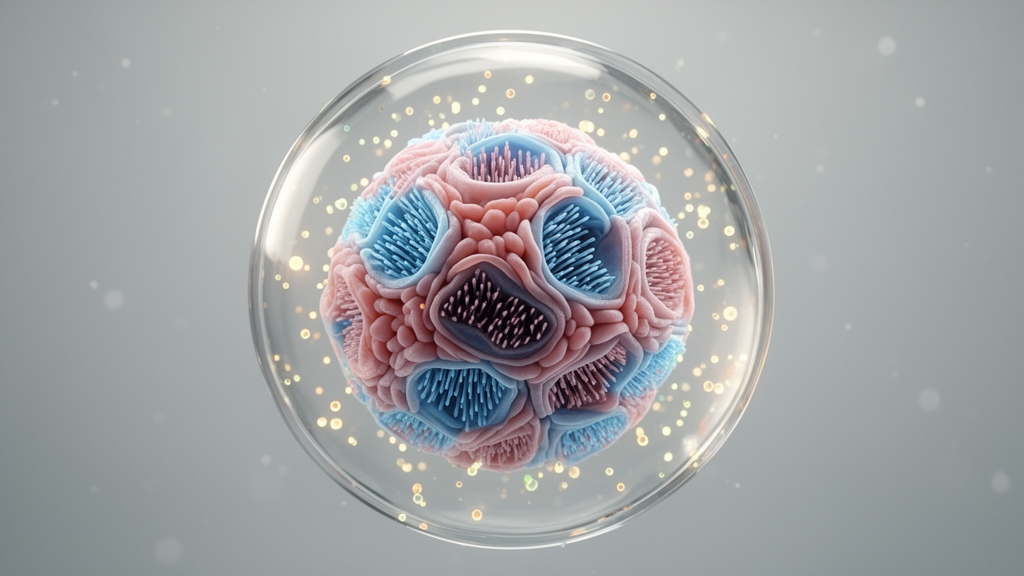
In three-dimensional culture environments, isolated basal cells self-organize into spherical structures termed tracheospheres or bronchospheres, which consist of an outer basal layer surrounding an inner pseudostratified epithelium of differentiated luminal cells. However, existing laboratory protocols diverge substantially in their isolation techniques, sorting criteria, culture media additions, and matrix encapsulation practices. This technical divergence introduces uncharacterized experimental variables that complicate cross-study comparisons and can obscure genuine physiological or disease-related phenotypes.
To establish a uniform baseline, primary mouse tracheal basal cells were harvested from nine eight-to-twelve-week-old C57BL/6NJ wild-type mice under protocols approved by the University of Vermont Institutional Animal Care and Use Committee. Tracheas were excised, filled with a protease digestion solution comprising type 14 protease, primocin, and penicillin-streptomycin in Opti-MEM, and incubated overnight at four degrees Celsius. The following day, epithelial sheets were flushed using Dulbecco’s Modified Eagle Medium supplemented with ten percent fetal bovine serum. To eliminate animal-to-animal variability as a confounding factor, harvested cells from all donor tracheas were pooled together and subsequently partitioned into three equal cohorts. Each cohort was resuspended in one of three distinct expansion media formulations described in published respiratory literature, establishing an exact parallel comparison from an identical starting cell population.
The three media formulations shared a common basal nutrient foundation of Dulbecco’s Modified Eagle Medium and Ham’s F-12 nutrient mixture supplemented with penicillin and streptomycin, but contained divergent signaling supplements and serum components. Medium 1 was formulated as a defined, serum-free preparation containing 4.5 millimolar L-glutamine, 100 micrograms per milliliter primocin, 20 nanograms per milliliter cholera toxin, 4 micrograms per milliliter insulin, 5 micrograms per milliliter transferrin, 25 micrograms per milliliter bovine pituitary extract, 10 nanograms per milliliter epidermal growth factor, and 100 nanomolar dexamethasone. Medium 2 contained 4 millimolar L-glutamine, 0.25 micrograms per milliliter fungizone, 0.1 micrograms per milliliter cholera toxin, 10 micrograms per milliliter insulin, 5 micrograms per milliliter transferrin, 30 micrograms per milliliter bovine pituitary extract, 25 nanograms per milliliter epidermal growth factor, 0.01 micromolar retinoic acid, and five percent fetal bovine serum. Medium 3 retained the exact supplemental composition of Medium 2 but included three targeted small-molecule inhibitors: 1 micromolar DMH-1 to inhibit ALK2, 1 micromolar A-83-01 to inhibit TGF-beta type I receptor, ALK4, and ALK7, and 10 micromolar Y27632 to inhibit ROCK-I and ROCK-II. Cells were expanded on collagen gel-coated culture flasks until reaching confluence over approximately ten days.
Following monolayer expansion, cells were harvested through sequential enzymatic digestions with collagenase and trypsin, brought to single-cell suspensions, and seeded into three-dimensional culture systems. All three cohorts were transitioned into a uniform differentiation environment utilizing commercial Pneumacult air-liquid interface medium. Transwell inserts with twelve-millimeter porous membranes were pre-coated with a solidified mixture of Matrigel and culture medium to prevent direct cell adherence to the plastic substrate. Fifty thousand basal cells suspended in medium were combined on ice with an equal volume of cold Matrigel, and this suspension was rapidly pipetted atop the matrix base. Seeding was completed in less than thirty seconds before transfer to thirty-seven degrees Celsius and five percent carbon dioxide to prevent premature cell settling prior to gelation. Following matrix polymerization, liquid medium was supplied to the basolateral chamber and refreshed every two days, supporting organoid morphogenesis across extended developmental periods without introducing divergent differentiation cues.
To evaluate tracheosphere growth kinetics and morphological distributions without subjective operator bias, the investigators implemented an automated computational imaging pipeline. Tracheosphere cultures were imaged on culture days 4, 7, 12, and 19 using an inverted light microscope, yielding thirty-six standardized micrographs across experimental replicates. Sphere detection and boundary delineation were automated using OrgaQuant, a deep convolutional neural network trained for organoid localization, operating at an empirically determined confidence threshold of 0.85 with manual exclusion of extreme non-cellular artifacts. Downstream quantitative analysis was executed using custom scripts in MATLAB, normalizing individual organoid surface areas against the largest tracheosphere identified in the dataset (89,462 square pixels). The software generated empirical cumulative distribution functions and calculated one minus the area under the curve values to mathematically distinguish between cultures populated by numerous small colonies versus those characterized by robust individual organoid enlargement.
Morphological tracking demonstrated clear divergence in organoid establishment and expansion over time. By culture day 12, basal cells pre-expanded in Media 2 or 3 formed significantly larger tracheospheres and a higher total organoid surface area per field of view than cells expanded in Medium 1. Tracheospheres emerging from Media 2 and 3 conditions rapidly established visible, fluid-filled internal lumens, indicating proficient epithelial polarization, intact intercellular tight junctions, and active apical fluid secretion. Cumulative distribution function curves showed marked rightward skewing for Media 2 and 3, reflecting a population dominated by expansive mature colonies. By day 19, total tracheosphere area had increased across all three conditions, but cultures originating from Medium 3 generated a significantly greater total organoid area and higher frequency of expansive spheres than either Medium 1 or Medium 2, illustrating that early pharmacological inhibition of ALK and ROCK pathways enhanced long-term organoid expansion.
Targeted quantitative real-time polymerase chain reaction assays performed on days 14 and 21 confirmed that upstream media choices altered the timing and lineage commitment of differentiation. Concurrently, expression of the proliferation-associated mitotic marker Mki67 was significantly suppressed in Media 2 and 3 tracheospheres compared to Medium 1, demonstrating that cells expanded in serum-containing media had exited the active cell cycle and initiated mature differentiation programs. By contrast, cells pre-treated with Medium 1 retained higher proliferative activity at day 14. By day 21, Foxj1 expression equilibrated across all groups as Medium 1 cultures underwent delayed differentiation, whereas Scgb1a1 remained selectively elevated in Medium 2. Expression of the basal cell cytokeratin marker Krt5 remained stable and statistically indistinguishable across all conditions, affirming that all organoids preserved an outer basal progenitor layer.
Metabolic evaluations of conditioned culture supernatants demonstrated that the cellular metabolic state was similarly reprogrammed by the expansion history. Commercial enzymatic assays performed on culture days 14 and 20 revealed that tracheospheres derived from Media 2 and 3 produced significantly higher concentrations of extracellular lactate than Medium 1 cultures. Tracheospheres from Media 2 and 3 exhibited marked elevations in key tricarboxylic acid cycle intermediates, including fumarate, malate, oxaloacetate, and citrate, alongside enriched glycolytic metabolites such as hexose phosphate, pyruvate, and lactate. Conversely, conditioned media from Medium 1 tracheospheres displayed prominent elevations in free amino acids, including histidine, serine, glutamate, aspartate, arginine, and methionine. Ingenuity Pathway Analysis verified that the primary metabolic differences separating Medium 1 from Media 2 and 3 involved extensive alterations in amino acid degradation and synthesis, glucose catabolism, and urea cycle regulation.
To map global transcriptional changes driving these divergent phenotypes, the authors carried out bulk RNA sequencing of day 14 tracheosphere cohorts. Principal component analysis of DESeq2-normalized count matrices revealed tight clustering among experimental replicates, with the primary principal component accounting for 83.3 percent of total transcriptional variance and segregating Medium 1 distinctly from Media 2 and 3. Pairwise differential expression testing identified 7,437 differentially expressed genes between Medium 1 and Medium 2, and 8,643 differentially expressed genes between Medium 1 and Medium 3, with the majority of dysregulated transcripts exhibiting upregulation in Media 2 and 3. In stark contrast, direct comparison between Media 2 and Medium 3 yielded only 2,176 differentially expressed transcripts, demonstrating high overall transcriptomic concordance between the two serum-containing formulations.
Functional pathway enrichment analysis of differentially expressed transcripts revealed unexpected alterations in disease-associated signaling networks, particularly those linked to pulmonary fibrosis. Canonical pathways associated with hepatic fibrosis and idiopathic pulmonary fibrosis signaling were prominently upregulated in organoids derived from Media 2 and 3 relative to Medium 1. Examination of individual pathway components demonstrated complex collagen gene remodeling: tracheospheres from Medium 1 exhibited elevated expression of Col1a1, Col2a1, and Col4a2, whereas tracheospheres from Media 2 and 3 expressed higher levels of Col5a3 and Col6a1. Furthermore, multiple regulators of canonical beta-catenin signaling showed differential expression, including Wnt10b and Fzd10 in Medium 1, contrasted by Wnt5a and Wnt11 in Media 2 and 3. Tracheospheres also exhibited differential expression of gene signatures characteristic of aberrant basaloid cells, an intermediate stem cell population implicated in idiopathic pulmonary fibrosis progression. Notably, expression of Keratin 17, an established marker of aberrant basaloid cells in human fibrotic lungs, was selectively elevated in organoids established from Medium 3.
The study authors noted several structural limitations inherent to their experimental design. The investigation compared published multi-component media formulations as intact systems rather than systematically isolating the individual impacts of specific chemical components, such as fetal bovine serum, retinoic acid, or individual kinase inhibitors. In addition, the research did not incorporate flow cytometry or single-cell RNA sequencing immediately at the conclusion of the two-dimensional expansion phase, precluding direct characterization of basal subpopulation shifts prior to three-dimensional matrix embedding. Furthermore, absolute cell counts and cell viability were not quantified across organoid lifespans, leaving unresolved whether elevated Mki67 expression in Medium 1 reflected differences in total cellular density. Despite these limitations, the documented findings establish that pre-culture media selection substantially directs organoid morphogenesis, energy metabolism, and disease-relevant gene signatures, underscoring the critical need for meticulous protocol standardization and transparent reporting across airway stem cell and respiratory organoid investigations.
Subject of Research: Impact of basal cell expansion media on airway organoid development
Article Title: Impact of mouse tracheal basal cell expansion medium on formation and metabolic characteristics of tracheospheres
Article References: Druso, J. E., Aboushousha, R., MacPherson, M., Erickson, C., Mori, V., Hickman, E., D’Amico, A. R., Seward, D., Reisz, J. A., Rager, J. E., Janssen-Heininger, Y., & Corteselli, E. (2025). Impact of mouse tracheal basal cell expansion medium on formation and metabolic characteristics of tracheospheres. BMC Molecular and Cell Biology, 26(1), Article 31. https://doi.org/10.1186/s12860-025-00554-8
Image Credits: AI Generated
DOI: 10.1186/s12860-025-00554-8
Keywords: Airway basal cells, Tracheospheres, Organoid culture, Cell culture media, Cellular differentiation, Metabolomics, RNA sequencing, OrgaQuant, Cellular metabolism, Idiopathic pulmonary fibrosis, Matrigel, Pneumacult ALI, Gene expression profiling, Tricarboxylic acid cycle, Epithelial morphogenesis, Mouse tracheal basal cells, Air-liquid interface
News Source: Daisy Hatcher. (November 14, 2026). Expansion Medium Directly Alters Tracheosphere Morphogenesis and Cellular Metabolism. Scienmag.