Credit: University of Kansas News Service
LAWRENCE — Broadening the geographic range that a number of deceased-donor kidneys would be available would increase the number of transplants and improve the lives of patients unlikely to receive one based on where they live, according to study that includes a University of Kansas researcher.
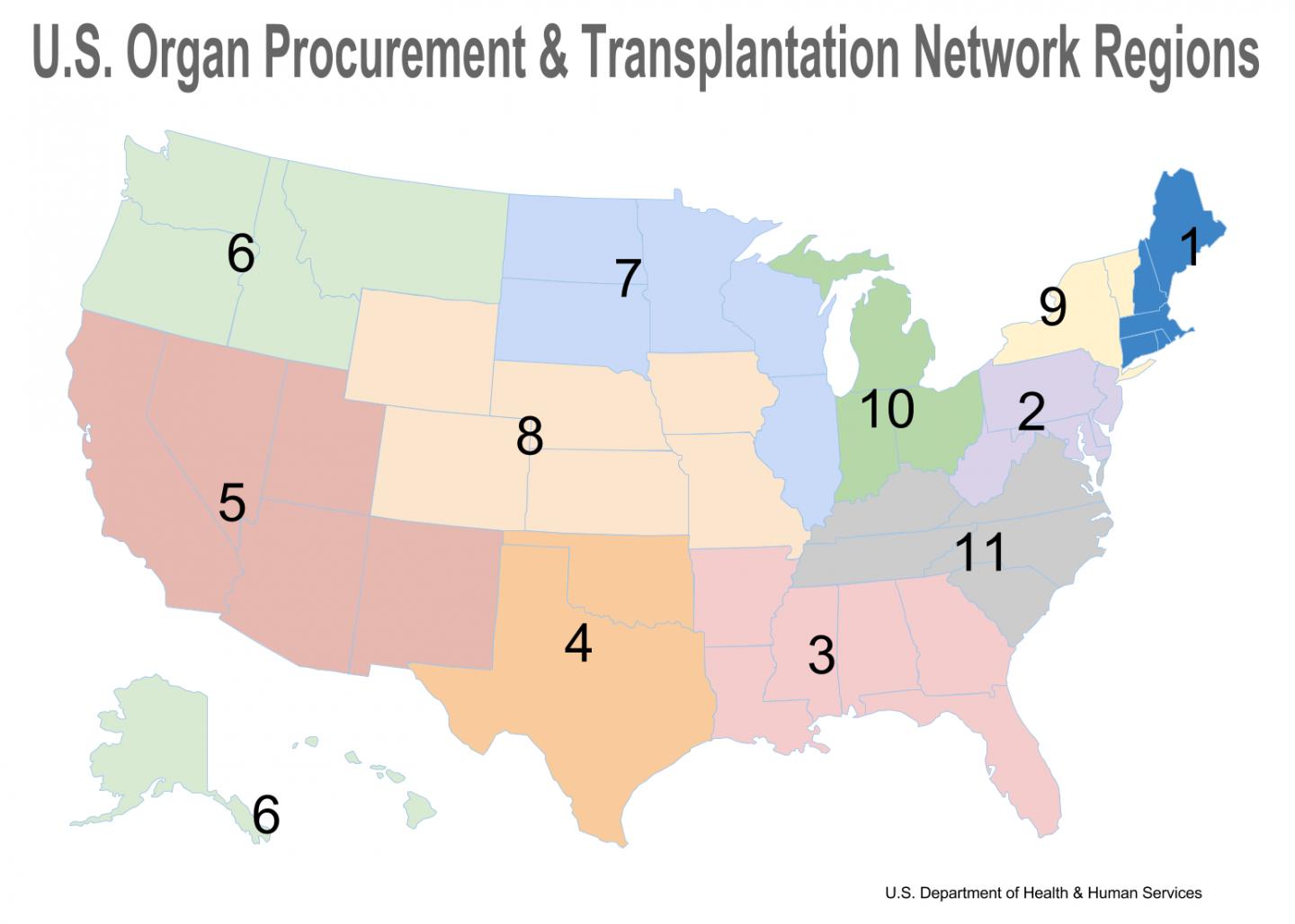
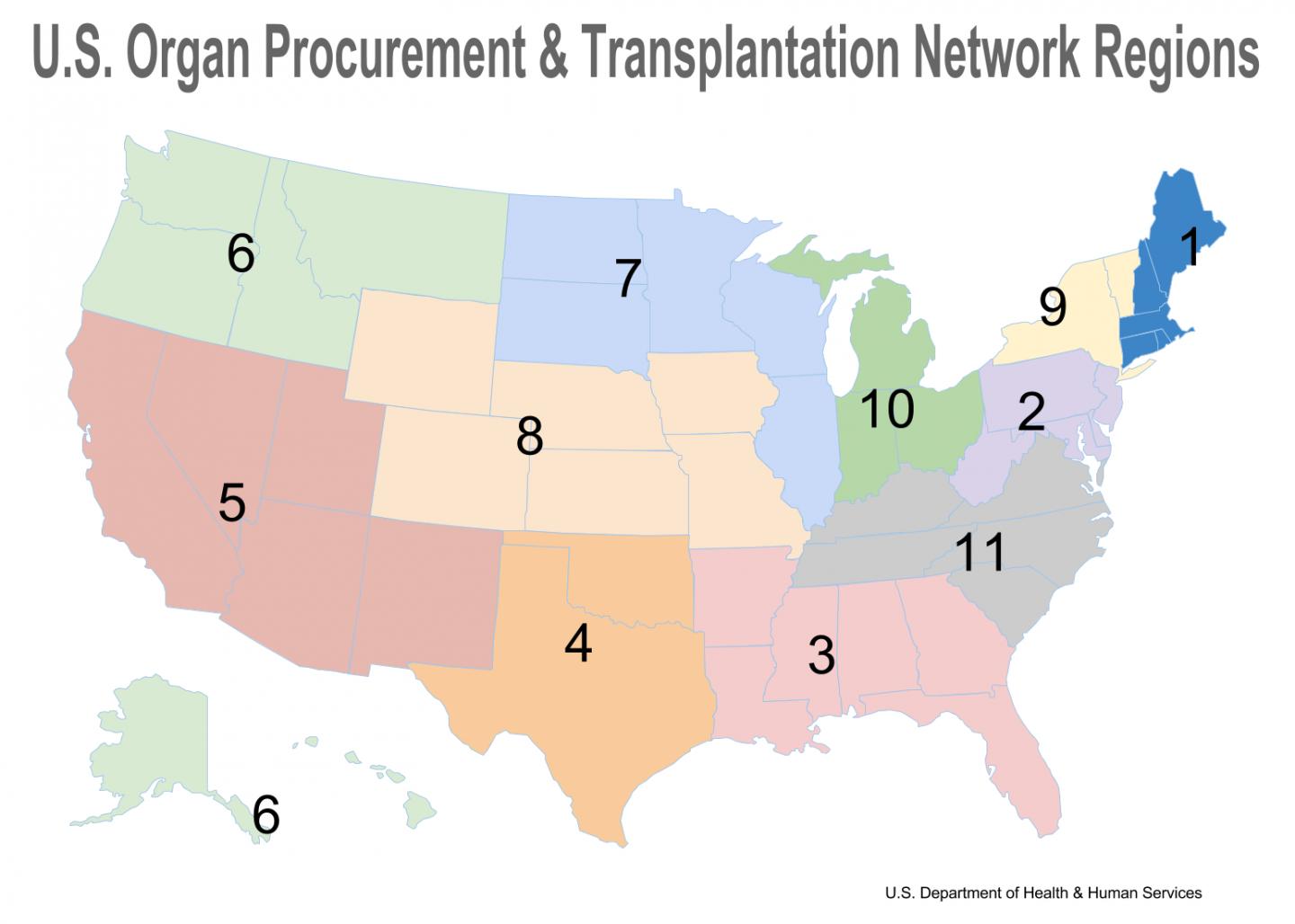
"The problem is there is a big disparity across different geographies," said Mazhar Arikan, associate professor of supply chain management in the School of Business. "In more congested or populous regions, the patients have a longer wait time. In the less-congested regions, you don't need to wait as long. Where you are located is very important in terms of how long you're going to wait for your kidney."
Arikan is co-author of the study published in the journal Production and Operations Management. Based on their analysis, the researchers suggest that changing how so-called lower quality kidneys are allocated geographically could result in anywhere from 58 additional to 174 additional kidney transplants per year to help more patients get off dialysis treatments and live more normal lives.
"That is a very high number because it is the equivalent of adding one medium-sized transplant center to the system," Arikan said. "The policy change is very beneficial for patients. You can increase the supply by just making a small change."
Most of existing operations research literature looked at changing the demand for kidneys, such as how people are prioritized on waiting lists, but Arikan said the researchers wanted to look at potential inefficiencies in the supply and if there would be a way to get more kidneys to more people on waiting lists.
To start they analyzed the effects of a 2014 policy change in the United States that allowed for lower quality kidneys — considered the bottom 15 percent of available organs — to be offered more widely in a region immediately without seeking patients only in the immediate area.
Before 2014, when a kidney became available, it was first offered to people on a list who lived in the immediate geographic area, and if no willing recipient was found, it would be offered to patients on a list in a broader area around the region.
Organ quality varies from donor to donor based on the person's health conditions and age, and most deemed to be in the bottom 15 percent of quality are not procured. Furthermore, these not procured lower quality organs are most likely to be concentrated in some areas of the country — likely less populous regions — where patients can afford to be more selective of the quality of organs they accept, Arikan said.
"Patients in less-congested regions are going to be more picky compared to people in New York or Los Angeles because they are more willing to accept a kidney offer," he said.
There are roughly 100,000 U.S. patients with end-stage renal disease who are waiting for a transplant, according to the researchers, and most likely must rely on costly and inconvenient dialysis treatments that influence how they function daily, Arikan said.
"It's not easy to go to a dialysis center and spend time there," he said. "Once they have a kidney, that gives them a chance to return to their normal life."
The researchers found making more low-quality organs available within a regional network adds 58 kidney transplants per year to patients who likely would not get one. They project if low-quality organs were allowed to be donated to patients nationally, it would add 129 or 174 transplants per year, depending on if the bottom 15 percent or the bottom 20 percent of quality organs would be made available.
Medical researchers might need to examine more about the logistics of conducting transplants of patients who wouldn't immediately live near the kidney that becomes available, but there are organizations that do provide assistance to transplant patients and donors, including flights for evaluation and surgeries.
Arikan said it is valuable to find that sharing more organs more broadly can lead to a significant increase in organ supply, especially for those who live in congested areas and are on long waiting lists.
"They don't even get offers. They just wait because they are so far at the back of the line," Arikan said. "This policy change would really give them some kind of hope."
###
Media Contact
George Diepenbrock
[email protected]
785-864-8853
@KUNews
http://www.news.ku.edu
Original Source
http://bit.ly/2jgosR7 http://dx.doi.org/10.1111/poms.12776