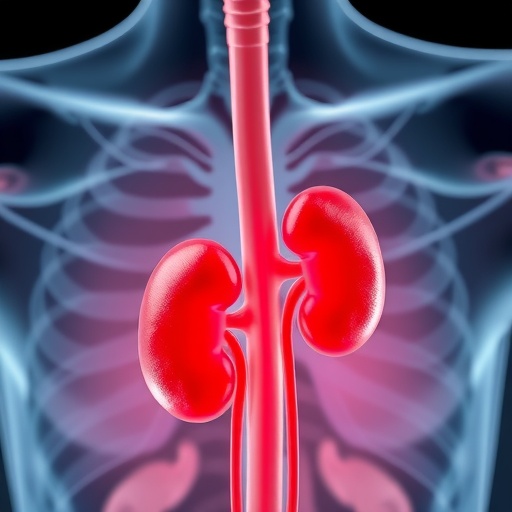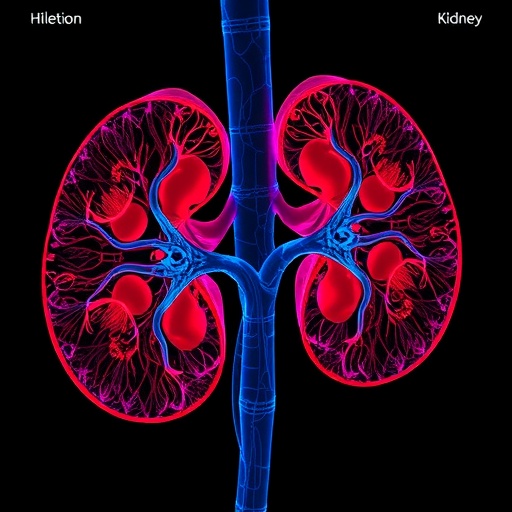
In a groundbreaking study set to reshape our understanding of kidney regeneration, researchers have unveiled the pivotal role played by a key cellular component known as exocyst component 5 (EXOC5). This discovery not only elucidates the intricate molecular machinery behind kidney repair but also challenges current paradigms in regenerative medicine by highlighting how the deletion of a single protein can drastically impede the organ’s natural healing processes.
Kidneys are remarkable organs possessing a limited capacity to recover from acute injuries. Following damage induced by toxins, ischemia, or infections, the ability of renal tissues to regenerate hinges predominantly on the proliferation and differentiation of surviving tubular epithelial cells. This intricate process involves an array of signaling pathways and cellular logistics, many of which remain poorly characterized. The newly published research dives deep into the functional contributions of EXOC5, a component traditionally associated with vesicle trafficking and secretion, revealing its unexpected and crucial involvement in kidney regeneration.
Central to the study is the exocyst complex, a multi-protein assembly integral for targeted exocytosis, which orchestrates the trafficking of vesicles to precise sites on the plasma membrane. EXOC5, as a vital subunit of this octameric complex, has long been studied in the context of cell polarity, migration, and secretion. However, its specific implications in kidney injury dynamics had remained elusive until now. The researchers employed a conditional knockout model to selectively delete EXOC5 in renal tubular cells, thereby allowing a focused examination of its functional impact during regeneration.
The findings paint a striking picture: the absence of EXOC5 leads to a significant suppression of repair mechanisms following kidney injury. This suppression is primarily attributed to a marked reduction in the proliferative capacity of renal tubular epithelial cells, the very cells responsible for repopulating and restoring damaged nephron segments. Notably, the study delineates that this effect is not due to increased cell death or apoptosis but rather a direct limitation in the proliferative signals required for tissue recovery.
To probe the molecular underpinnings, the team utilized transcriptomic and proteomic analyses which uncovered that EXOC5 deletion disrupts critical intracellular trafficking pathways responsible for delivering growth factor receptors and signaling molecules to the cell surface. This disruption impairs the activation of proliferative pathways such as the ERK/MAPK cascade, which is essential for renal epithelial cell cycle progression following injury. Such insights underscore the exocyst’s role beyond mere vesicular transport—it acts as a gatekeeper for regenerative signaling.
Further compelling evidence emerged from in vivo experiments, where mice lacking EXOC5 in renal cells exhibited delayed recovery from induced acute kidney injury compared to their wild-type counterparts. Renal function tests demonstrated prolonged elevations in serum creatinine and blood urea nitrogen, hallmark indicators of impaired kidney function. Histological evaluations corroborated these findings, revealing extensive tubular atrophy, diminished cellularity in nephron structures, and decreased mitotic indices in mutant tissues.
The consequences of this research extend well beyond fundamental biology, bearing significant translational potential. Acute kidney injury is a prevalent clinical problem with high morbidity and mortality, often progressing to chronic kidney disease due to insufficient repair. Understanding the molecular gatekeepers of regeneration like EXOC5 opens avenues for therapeutic innovations aimed at enhancing or restoring kidney repair capacity. For instance, modulating exocyst function or mimicking its signaling regulation could emerge as novel strategies to accelerate recovery and improve outcomes.
Moreover, this investigation shines a light on the broader importance of vesicle trafficking complexes in organ regeneration, suggesting that similar mechanisms might be operational in other tissues with regenerative potential. The interplay between cellular logistics and proliferative signaling represents an exciting frontier, promising new targets for regenerative therapies across multiple organ systems.
In addition to its biological significance, the study exemplifies sophisticated experimental design combining genetic manipulation, high-throughput omics techniques, and functional assays. It stands as a testament to the power of integrative approaches in unraveling complex physiological phenomena. The meticulous validation of findings across cellular models and whole-organism studies strengthens the robustness of conclusions.
While the loss of EXOC5 impairs regeneration, the precise regulation of its expression and function under physiological and pathological conditions remains an area ripe for exploration. Questions regarding how EXOC5 interacts with other exocyst components, adapts to inflammatory signals, or responds to metabolic stress will be pivotal in advancing our grasp of renal biology.
Dynamic crosstalk between exocyst-mediated trafficking and other cellular processes such as autophagy, cytoskeletal remodeling, and intercellular communication also warrants further interrogation. Such insights could provide a more holistic understanding of how cells orchestrate repair tasks following trauma.
This seminal work, published in Cell Death Discovery, decisively positions EXOC5 as a linchpin in the molecular framework governing kidney regeneration. By uncovering the consequences of its deletion, the study offers a novel molecular target and a compelling narrative that bridges cell biology, nephrology, and regenerative medicine.
The journey from understanding vesicle trafficking to influencing clinical outcomes epitomizes the transformative potential of fundamental research. As the scientific community continues to decode the kidney’s reparative blueprint, discoveries such as this will undoubtedly propel the design of innovative therapeutics aimed at mitigating kidney disease burdens worldwide.
Going forward, integrating these findings with advances in bioengineering, stem cell therapies, and precision medicine could herald a new era in the management of acute kidney injuries. The promise embodied in EXOC5 research underscores the urgency and excitement surrounding organ regeneration studies in contemporary biomedical science.
Subject of Research: Kidney regeneration and the role of exocyst component 5 (EXOC5) in cell proliferation during renal repair.
Article Title: Deletion of exocyst component 5 suppresses repair of injured kidney by limiting cell proliferation.
Article References:
Lim, H.J., Kong, M.J., Noh, M. et al. Deletion of exocyst component 5 suppresses repair of injured kidney by limiting cell proliferation. Cell Death Discov. (2026). https://doi.org/10.1038/s41420-026-03127-6
Image Credits: AI Generated
DOI: https://doi.org/10.1038/s41420-026-03127-6
Tags: acute kidney injury recoverycell polarity and kidney healingEXOC5 deletion effectsexocyst complex kidney functionexocyst component 5 kidney repairimpact of protein deletion on organ repairkidney regeneration mechanismsmolecular pathways in renal regenerationrenal tubular epithelial differentiationtargeted exocytosis in renal repairtubular epithelial cell proliferationvesicle trafficking in kidney cells