• HOME
  • NEWS
  • EXPLORE
    • CAREER
      • Companies
      • Jobs
    • EVENTS
    • iGEM
      • News
      • Team
    • PHOTOS
    • VIDEO
    • WIKI
  • BLOG
  • COMMUNITY
    • FACEBOOK
    • INSTAGRAM
    • TWITTER
Tuesday, July 7, 2026
BIOENGINEER.ORG
No Result
View All Result
  • Login
  • HOME
  • NEWS
  • EXPLORE
    • CAREER
      • Companies
      • Jobs
        • Lecturer
        • PhD Studentship
        • Postdoc
        • Research Assistant
    • EVENTS
    • iGEM
      • News
      • Team
    • PHOTOS
    • VIDEO
    • WIKI
  • BLOG
  • COMMUNITY
    • FACEBOOK
    • INSTAGRAM
    • TWITTER
  • HOME
  • NEWS
  • EXPLORE
    • CAREER
      • Companies
      • Jobs
        • Lecturer
        • PhD Studentship
        • Postdoc
        • Research Assistant
    • EVENTS
    • iGEM
      • News
      • Team
    • PHOTOS
    • VIDEO
    • WIKI
  • BLOG
  • COMMUNITY
    • FACEBOOK
    • INSTAGRAM
    • TWITTER
No Result
View All Result
Bioengineer.org
No Result
View All Result
Home NEWS Science News

Exeter research helps protect loggerhead turtles

Bioengineer by Bioengineer
January 14, 2017
in Science News
Reading Time: 2 mins read
0
Share on FacebookShare on TwitterShare on LinkedinShare on RedditShare on Telegram
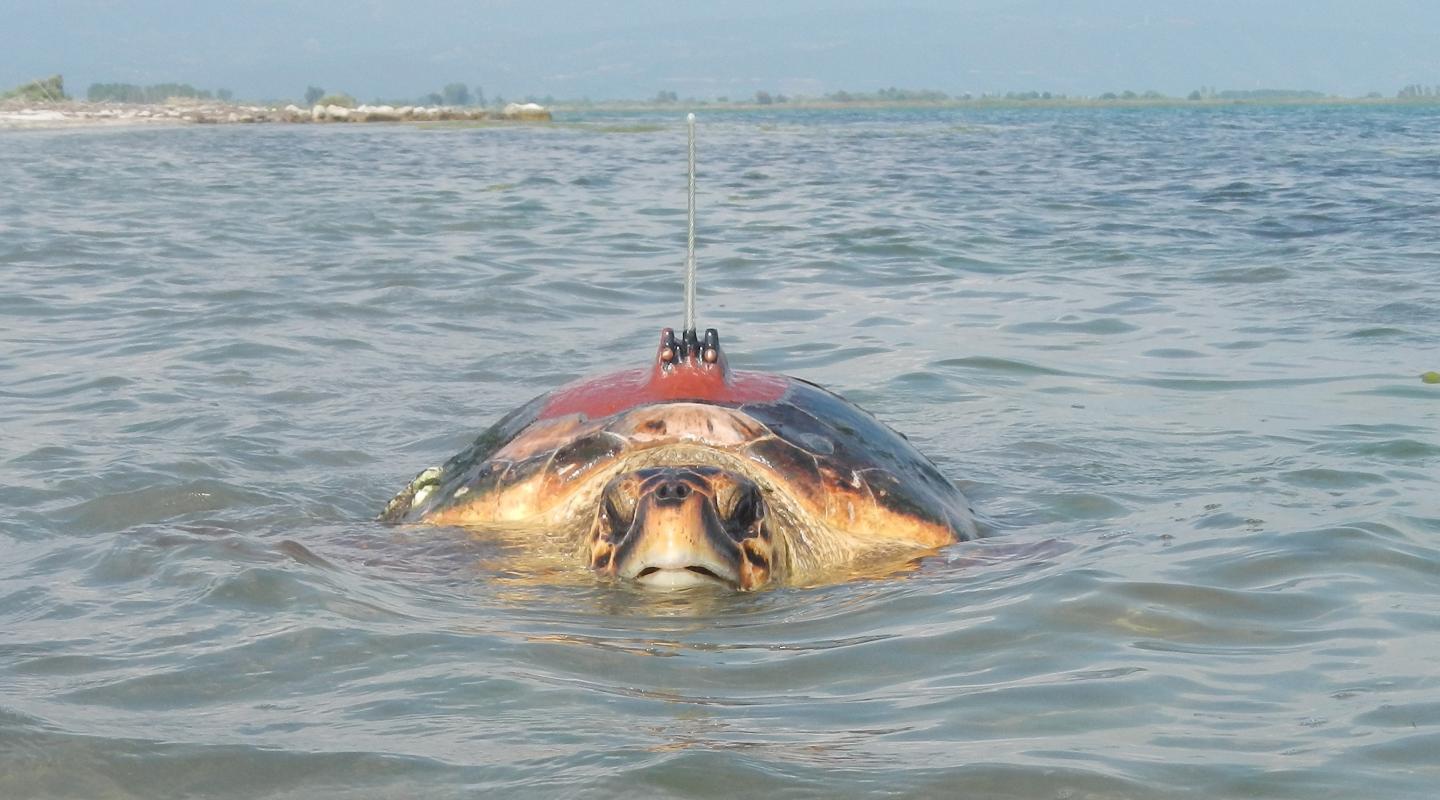
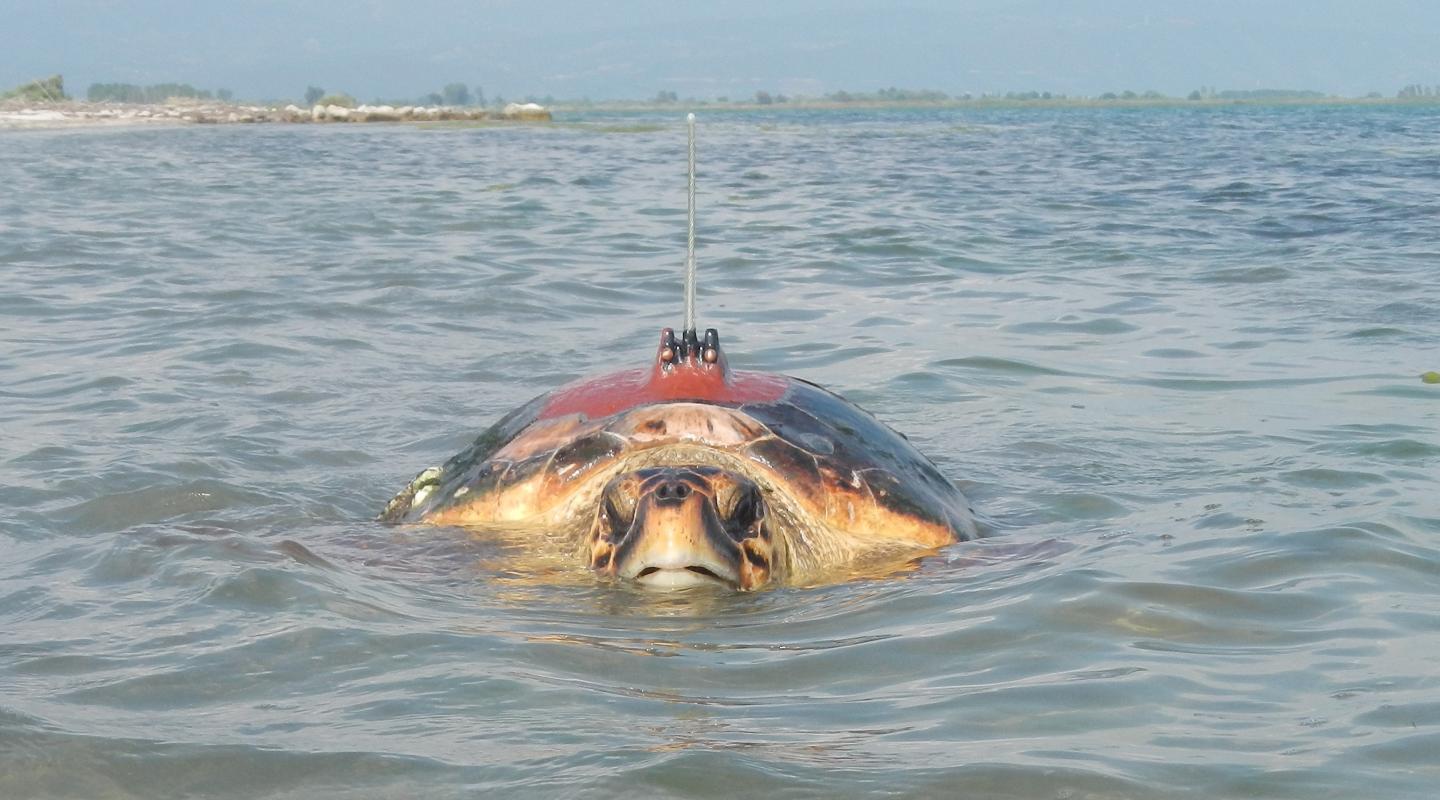
IMAGE

Credit: Alan Rees

A long-running research and conservation project is helping save an at-risk species of turtle.

Work to protect loggerhead turtles in and around Greece has been undertaken for over 30 years by local NGO ARCHELON, the Sea Turtle Protection Society of Greece, and as part of the project scientists from the University of Exeter have tagged and tracked hundreds of turtles in the Amvrakikos Gulf.

Loggerheads were officially listed as "endangered" until last year, when the species was given the lower threat level of "vulnerable" on the IUCN Red List of Threatened Species.

"The situation of loggerheads has improved thanks to concerted conservation efforts, but there's more work to do if we want to see continued improvement," said Dr Alan Rees, of the Centre for Ecology and Conservation on the University of Exeter's Penryn Campus in Cornwall.

"Previous studies have generally involved tagging female turtles on nesting beaches, but that method doesn't give us information on males and juveniles.

"For this research we studied turtles in their foraging area and used flipper tagging, satellite tracking and genetics to establish where they had come from and where they go when moving from where we found them."

The results of the research, published in the journal Marine Biology, show most of the 700 loggerheads observed in the Amvrakikos Gulf came from nesting populations within 125 miles (200km).

But the scientists were surprised when one female travelled ten times as far, swimming well over 1,000 miles – first to Syria and then to Turkey to breed.

"The thing that baffles me is that they generally migrate in the spring but this turtle moved in the summer," said Dr Rees, who also works for ARCHELON.

"It arrived in Turkey in the autumn, stayed over winter then moved to the nearby breeding area the next year.

"Perhaps it left nine months early to make sure it arrived in time for breeding, which was probably sensible as its original journey took it hundreds of miles out of its way."

Mediterranean loggerheads, most of which nest in Greece, Turkey, Cyprus and Libya, are one of ten sub-populations of the species worldwide.

Many loggerheads travel far away from where they hatch, but they return to that area to breed.

###

Media Contact

Alex Morrison
[email protected]
01-392-724-828
@uniofexeter

http://www.exeter.ac.uk

############

Story Source: Materials provided by Scienmag

Share12Tweet8Share2ShareShareShare2

Related Posts

Flame retardant BDE-209 targets molecularly linked to ulcerative colitis

July 6, 2026
Ultra-high frequency particle impacts mimic rockbursts to shatter hard rock

Ultra-high frequency particle impacts mimic rockbursts to shatter hard rock

July 6, 2026

Kidney transplant outcomes in older adults studied by German researchers

July 6, 2026

Embodied cognition yields interpretable trajectory predictions for autonomous systems.

July 6, 2026
Please login to join discussion

POPULAR NEWS

  • Detection of EDCs in Breast Milk and Infant Urine Up to Six Months Highlights Early Exposure Risks

    77 shares
    Share 31 Tweet 19
  • New Drug Candidate Developed at McMaster Shows Potential for Treating Brain Cancer

    58 shares
    Share 23 Tweet 15
  • Saying Goodbye to PGY-6: Pediatric Fellowship Realities

    103 shares
    Share 41 Tweet 26
  • KTU Researchers Explore Ultrasound’s Role in Enhancing Blood Flow Beyond Diagnostics

    53 shares
    Share 21 Tweet 13

About

We bring you the latest biotechnology news from best research centers and universities around the world. Check our website.

Follow us

Recent News

Flame retardant BDE-209 targets molecularly linked to ulcerative colitis

Ultra-high frequency particle impacts mimic rockbursts to shatter hard rock

Kidney transplant outcomes in older adults studied by German researchers

Subscribe to Blog via Email

Enter your email address to subscribe to this blog and receive notifications of new posts by email.

Join 83 other subscribers
  • Contact Us

Bioengineer.org © Copyright 2023 All Rights Reserved.

Welcome Back!

Login to your account below

Forgotten Password?

Retrieve your password

Please enter your username or email address to reset your password.

Log In
No Result
View All Result
  • Homepages
    • Home Page 1
    • Home Page 2
  • News
  • National
  • Business
  • Health
  • Lifestyle
  • Science

Bioengineer.org © Copyright 2023 All Rights Reserved.