


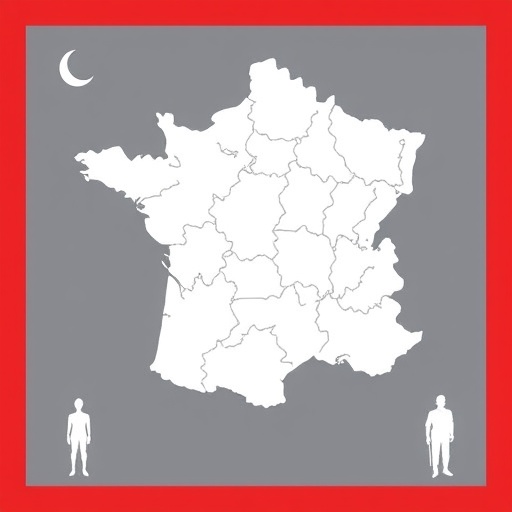
Osteoporosis is a prevalent condition that affects millions globally, leading to significant health burdens, particularly through clinical fragility fractures. In a recent study conducted by Coste et al., published in the prestigious journal Archives of Osteoporosis, researchers delved into the multifaceted issues surrounding osteoporosis in the French general population. Their findings not only underscore the impact of this silent disease but also leverage extensive healthcare claims and health interview survey data to present a comprehensive analysis crucial for public health strategies.
The research employed a sophisticated methodology, combining healthcare claims data with results from health interviews. This innovative linkage provides a richer, more nuanced picture of the osteoporotic landscape in France than previous studies. By integrating these data sources, the researchers were able to assess the prevalence of osteoporosis diagnoses and the resultant clinical fractures, offering valuable insights into the implications for healthcare systems and patient management strategies.
One of the stark revelations of the study is the epidemiological burden of osteoporosis. It highlighted the escalating incidence of fragility fractures, specifically highlighting that these fractures predominantly occur in populations aged 50 and older. This demographic is particularly vulnerable due to age-related bone density loss, resulting in a higher likelihood of fractures, which can lead to severe complications, including long-term disability and increased mortality rates.
An essential aspect of the study was its focus on the economic burden associated with osteoporosis and fragility fractures. The researchers estimated the direct healthcare costs arising from hospitalization, rehabilitation, and long-term care services necessitated by fragility fractures. Their findings suggest that not only does osteoporosis pose a significant health risk, but it also incurs substantial economic costs to the healthcare system, emphasizing the need for effective prevention and management strategies to mitigate these financial impacts.
Furthermore, Coste and colleagues explored the psychosocial aspects of osteoporosis. The ramifications of living with osteoporosis can lead to profound psychological consequences, manifesting as anxiety, depression, or diminished quality of life. These secondary effects are often overlooked in clinical practice yet are crucial for understanding the full impact of osteoporosis on individuals and society as a whole.
The study also examined the disparities in osteoporosis prevalence and treatment access between different demographic groups. For instance, they found variations in the diagnosis and management of osteoporosis based on gender, age, and socioeconomic status. Women, particularly post-menopausal women, were identified as a high-risk group, and yet a significant number remain undiagnosed and untreated. This gap in care underlines the urgency for targeted public health initiatives to improve awareness and encourage proactive management of bone health in at-risk populations.
Moreover, the authors emphasized the importance of screening and early diagnosis in curtailing the progression of osteoporosis. They advocated for healthcare policies that promote routine screenings, especially for those over the age of 50 or with a history of fragility fractures. Early intervention measures can significantly reduce the incidence of further fractures and improve long-term outcomes for patients.
An interesting element of the research was the authors’ utilization of advanced statistical techniques to analyze the data. This methodological rigor allows for a robustness in their findings that enhances the reliability of their conclusions. By employing this approach, they provide a more precise estimation of the disease burden, which is critical for policymakers and healthcare providers in resource allocation and intervention planning.
Looking forward, the implications of this research extend to various levels of healthcare practice and policy. The authors suggest that integrating osteoporosis management into primary care settings could enhance patient outcomes. By training primary care physicians to recognize risk factors and implement preventive measures, the overall burden of osteoporosis can be reduced, leading to healthier aging populations.
In addition, there is a call for further research to explore the long-term outcomes of those diagnosed and treated for osteoporosis. Longitudinal studies tracking patient health over time could provide deeper insights into the effectiveness of current treatment protocols and the long-term efficacy of prevention strategies.
As we move forward, the need for increased education about osteoporosis among both clinicians and the public cannot be overstated. Raising awareness about the risks and preventive measures is vital for ensuring that more individuals receive the appropriate screenings and care early on in their disease trajectory.
In conclusion, this seminal study by Coste et al. lays a compelling foundation for understanding the burden of osteoporosis in France. By examining the multifaceted impacts of the disease and advocating for improved care strategies, the research contributes significantly to the dialogue on osteoporosis within public health. The insights gleaned from linked healthcare datasets can inform not only local but also global health strategies aimed at reducing the prevalence and impact of this debilitating condition.
Subject of Research: Burden of osteoporosis and clinical fragility fractures in the French general population.
Article Title: Assessing the burden of osteoporosis and clinical fragility fractures in the French general population: insights from linked healthcare claims and health interview survey data used for surveillance.
Article References: Coste, J., Mandereau-Bruno, L., Constantinou, P. et al. Assessing the burden of osteoporosis and clinical fragility fractures in the French general population: insights from linked healthcare claims and health interview survey data used for surveillance. Arch Osteoporos 20, 136 (2025). https://doi.org/10.1007/s11657-025-01616-2
Image Credits: AI Generated
DOI: https://doi.org/10.1007/s11657-025-01616-2
Keywords: Osteoporosis, fragility fractures, healthcare burden, epidemiology, public health, prevention strategies, quality of life, demographic disparities, economic impact.
Tags: aging population and bone healthclinical fragility fractures statisticsepidemiological burden of osteoporosisfragility fractures in older adultshealth interview survey methodologyhealthcare claims data analysisimplications for healthcare systemsinnovative research methodologies in healthcareosteoporosis impact on general populationosteoporosis prevalence in Franceosteoporosis public health strategiespatient management strategies for osteoporosis



