In a groundbreaking study illuminating the molecular complexities of gastric cancer progression, researchers led by J. Lee have identified a significant driver of tumorigenesis: the secretion of WNT proteins from epithelial cells. This revelation, published in Molecular Cancer, posits that WNT secretion plays a crucial role in enabling tumor cells to escape their niche, a vital aspect of cancer evolution that contributes to metastasis. By elucidating this pathway, the research offers new insights into potential therapeutic targets for the treatment of gastric cancer, a disease that poses significant health challenges worldwide.
WNT signaling is a highly conserved pathway that governs a multitude of developmental processes in multicellular organisms, and aberrations in this pathway are linked to various cancers. In the gastric context, WNT proteins, which are secreted by epithelial cells, are believed to facilitate communication within the tumor microenvironment. This interaction is essential for cancer cells to not only survive but also proliferate and disseminate. The study carried out by Lee and collaborators underscores the significance of WNT in remodeling the microenvironment, thereby providing cancer cells with the necessary tools to thrive outside their original niche.
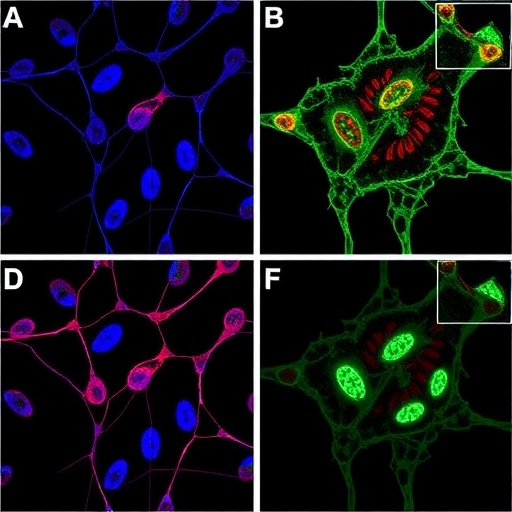
Moreover, the researchers conducted an array of experiments to demonstrate how WNT signaling acts as a conduit for gastric cancer cells to achieve niche escape. Utilizing advanced imaging techniques, they tracked the behavior of these cells in vivo. The results were compelling; they showed that the presence of WNT proteins altered cellular dynamics, diminishing the adhesion between cancer cells and their local niche. This finding raises the crucial question: how does WNT facilitate this escape? The studies suggest that WNT promotes a more invasive phenotype characterized by the expression of specific markers associated with epithelial-mesenchymal transition (EMT).
WNT’s impact on cell adhesion is profound. Typically, cell adhesion molecules act as anchors, holding cells in specific locations within the tissue. The research indicates that WNT signaling disrupts this process, allowing cancer cells to become more motile. This phenotypic shift is pivotal in their transition from localized tumors to invasive malignancies, wherein cells can migrate and colonize distant organs. The authors emphasize the importance of targeting this pathway in developing new anti-cancer therapies that can inhibit, or reverse, WNT-mediated niche escape.
In addition to these mechanistic insights, the study highlights the potential clinical applications of this research. With gastric cancer being one of the leading causes of cancer death globally, understanding the molecular underpinnings of its progression is critical. The interrelationship between epithelial WNT secretion and cancer cell escape mechanisms presents an opportunity to develop novel interventions aimed at blocking WNT signaling. Such strategies could inhibit the initial stages of metastasis and improve patient outcomes.
In the context of therapeutic resistance, the role of WNT may also extend to how cancer cells adapt to treatment. The dynamic nature of WNT signaling suggests that tumor cells could exploit this pathway to evade the effects of chemotherapeutic agents. This flexibility is particularly concerning as it implies that WNT signaling not only aids in niche escape but could also equip cancer cells with the tools necessary to survive treatment—a dual threat that complicates management strategies in gastrically correlated oncological therapies.
The research conducted by Lee and colleagues relies on cutting-edge technologies, including CRISPR gene editing and single-cell RNA sequencing, to unravel the complexities of cellular interactions within the tumor microenvironment. By manipulating the expression of WNT and observing resultant changes in cellular behavior, they have created a comprehensive picture of how these pathways interact. This methodological approach allows for a more nuanced understanding of the environment that nourishes and facilitates cancer progression.
The results of this study are anticipated to spark further research into targeted therapies that inhibit WNT signaling as a means to halt gastric cancer progression. Researchers worldwide are now tasked with determining the best methodologies to translate these findings from the laboratory to the clinic. The potential for developing a new class of drugs that could specifically target WNT signaling presents an exciting frontier in cancer treatment, potentially reducing the burden of metastatic disease and improving survival rates.
Moreover, the social implications of this research cannot be overstated. Gastric cancer disproportionately affects certain populations, particularly those in lower socioeconomic strata where access to healthcare is limited. As such, advancements in understanding the disease’s biology could yield more equitable treatment options. The urgency of this research is underscored by the rising incidence of gastric cancer in many parts of the world, where lifestyle and dietary factors also play a significant role in disease etiology.
As the authors conclude, continued exploration of the WNT pathway’s role in gastric cancer is not just a scientific endeavor; it represents a beacon of hope for the millions affected by this devastating disease. Unlocking the secrets of how tumors manipulate their microenvironment could revolutionize the current treatment landscape. The integration of molecular biology into therapeutic approaches heralds a new era where personalized medicine becomes a reality for gastric cancer patients.
This research lays the groundwork for exciting future studies focusing on compensatory mechanisms that might emerge when WNT signaling is inhibited. Understanding these interactions will be essential in creating a comprehensive treatment plan that reestablishes normal cellular function while effectively targeting cancer cells. With ongoing innovations in biotechnology and medicine, the pathway from bench to bedside seemed paved with possibilities.
In summary, this pivotal study has opened a new chapter in gastric cancer research. The identification of epithelial WNT secretion as a driver of niche escape adds a vital piece to the puzzle of gastric carcinogenesis. With the prospect of developing targeted therapies on the horizon, the cancer research community is poised to harness these insights. The collective goal remains clear: to translate this knowledge into effective treatments that will ultimately save lives and, perhaps one day, eradicate gastric cancer.
Subject of Research: Epithelial WNT secretion in gastric cancer
Article Title: Epithelial WNT secretion drives niche escape of developing gastric cancer
Article References:
Lee, J., Kim, S., Oh, Y. et al. Epithelial WNT secretion drives niche escape of developing gastric cancer. Mol Cancer 25, 1 (2026). https://doi.org/10.1186/s12943-025-02543-z
Image Credits: AI Generated
DOI: https://doi.org/10.1186/s12943-025-02543-z
Keywords: gastric cancer, WNT signaling, tumor microenvironment, epithelial-mesenchymal transition, metastasis, targeted therapy, cancer progression.
Tags: aberrations in WNT pathwaycancer metastasis and WNT proteinsepithelial cell secretion in tumorsgastric cancer health challengesgastric cancer progression mechanismsinsights into cancer treatment strategiesmolecular complexities of gastric tumorsresearch on cancer evolutionrole of WNT in tumorigenesistherapeutic targets for gastric cancertumor microenvironment interactionsWNT signaling in gastric cancer