Crohn’s disease is often described as an immune disorder, but a new study suggests that the cells forming the body’s connective-tissue framework may be just as important in determining where inflammation becomes chronic. In a report published in Nature Immunology, Koplev, Sharma, Woelfel and colleagues describe how epigenetic changes in stromal cells help create pathological tissue niches in the intestine. These niches are not passive spaces surrounding immune cells. Instead, they appear to function as active microenvironments that shape immune behavior, support persistent inflammation and help explain why diseased intestinal tissue can remain abnormal even when inflammatory signals fluctuate.
Stromal cells include fibroblasts and related connective-tissue populations that provide structural support, regulate extracellular matrix composition and communicate with epithelial and immune cells. In healthy organs, these cells contribute to tissue repair, maintain local architecture and help coordinate the movement and survival of leukocytes. During Crohn’s disease, however, stromal cells can adopt disease-associated states. They may produce chemokines that attract immune cells, growth factors that influence their survival and matrix proteins that remodel the tissue. The new work focuses on the molecular layer that allows these states to emerge: epigenetic regulation, a system of chemical and structural changes that controls gene activity without altering the underlying DNA sequence.
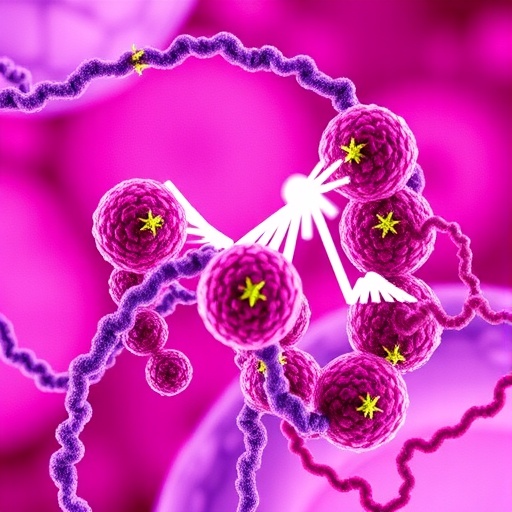
Epigenetic regulation includes DNA methylation, modifications to histone proteins and changes in the three-dimensional organization of chromatin. Together, these mechanisms determine whether particular genes are accessible to the transcriptional machinery. A stromal cell exposed to inflammatory cytokines, microbial products or signals from damaged epithelium can therefore alter its functional identity without acquiring a new genome. Some of these changes may be transient, while others can persist, creating a form of cellular memory. The study’s central implication is that inflammatory tissue conditions can impose durable regulatory programs on stromal cells, locking them into states that continue to sustain disease.
This concept helps refine the traditional view of Crohn’s disease as a direct contest between immune cells and intestinal microbes. The intestine is organized into highly specialized compartments, and immune activity depends heavily on where cells are located and which signals they encounter. Stromal populations beneath the epithelium, around blood vessels and within deeper connective-tissue layers can establish distinct molecular environments. By changing the chemokines, adhesion molecules and matrix components they produce, these cells influence which immune populations enter a region, how long they remain there and what functions they perform. A pathological niche can thus become self-reinforcing: inflammation changes stromal cells, and altered stromal cells help preserve inflammation.
The researchers’ analysis distinguishes stromal cell states rather than treating fibroblasts as a single uniform population. This is technically important because tissues contain multiple stromal subsets with different developmental origins, anatomical locations and gene-expression programs. Modern single-cell and chromatin-based approaches can separate these populations by measuring RNA transcripts alongside regulatory features that indicate which parts of the genome are active or poised for activation. Such analyses can reveal disease-associated cellular states that would be invisible in bulk tissue, where signals from many cell types are averaged together. In Crohn’s disease, this resolution is particularly valuable because inflamed and relatively preserved areas may coexist within the same intestine.
The epigenetic findings also offer a possible explanation for the persistence and spatial organization of intestinal lesions. When regulatory elements controlling inflammatory genes become more accessible, stromal cells may respond more strongly to incoming cytokines. Conversely, silencing of tissue-maintenance or repair programs could reduce the ability of the intestinal wall to return to a healthy state. These changes may be reinforced by feedback between stromal cells, macrophages, T cells, endothelial cells and epithelial cells. Stromal cells can recruit and position immune cells, while immune-derived mediators can further alter stromal chromatin. The result is a multicellular circuit in which inflammation is maintained not only by immune activation, but also by the continued operation of a tissue-level regulatory program.
The work has implications for how scientists think about treatment resistance and relapse. Many current therapies for Crohn’s disease target soluble inflammatory mediators or immune-cell functions, including cytokine pathways and lymphocyte trafficking. These treatments can be highly effective, but patients may respond incompletely, lose response over time or relapse after treatment. If stromal cells retain epigenetically encoded disease programs, suppressing one inflammatory signal may not be sufficient to dismantle the niche that supports the disease. A future therapeutic strategy could therefore combine immune-directed treatment with approaches that interrupt stromal activation, alter pathogenic chromatin states or block the signals that stabilize them.
Such an approach would require considerable precision. Stromal cells are essential for normal wound healing, barrier maintenance and tissue organization, so broadly suppressing their activity could impair repair or produce unwanted fibrosis. The challenge will be to identify regulatory elements and cellular states that are specific to pathological intestinal niches rather than targeting all fibroblast functions. The study’s emphasis on epigenetic modulation may help meet that challenge by pointing toward disease-selective regulatory circuits. It may also support the development of biomarkers based on stromal gene-expression or chromatin signatures, potentially allowing clinicians to distinguish patients whose disease is driven by particular tissue programs.
The findings place Crohn’s disease within a wider movement in biology that views chronic inflammation as an ecosystem rather than a single abnormal pathway. In this model, immune cells, structural cells, blood vessels, epithelial surfaces and microbial communities interact continuously, with each component reshaping the conditions experienced by the others. Stromal cells occupy a strategic position in that network because they provide both physical scaffolding and molecular instructions. By showing that epigenetic changes can underpin distinct stromal states, the study identifies a mechanism through which local intestinal environments may become persistently pathogenic. The next step will be to determine how stable these states are in patients, whether they can be reversed safely and whether targeting them can improve outcomes beyond what immune suppression alone achieves.
Subject of Research: Epigenetic regulation of stromal cell states and pathological tissue niches in Crohn’s disease.
Article Title: Epigenetic modulation of stromal cell states underpins pathological tissue niches in Crohn’s disease.
Article References: Koplev, S., Sharma, O., Woelfel, S. et al. “Epigenetic modulation of stromal cell states underpins pathological tissue niches in Crohn’s disease.” Nature Immunology (2026). https://doi.org/10.1038/s41590-026-02617-0
Image Credits: AI Generated
DOI: https://doi.org/10.1038/s41590-026-02617-0
Keywords: Crohn’s disease, inflammatory bowel disease, stromal cells, fibroblasts, epigenetics, chromatin, tissue niches, intestinal inflammation, immune regulation, precision medicine
Tags: Crohn’s diseaseepigenetic changes driving chronic inflammationepigenetic regulation in stromal cellsepigenetics and connective tissue in intestinal inflammationimmune-stromal cell interactions in Crohn’s diseasemicroenvironment shaping immune response in Crohn’s diseasemolecularpathological tissue niches in Crohn’s diseaserole of fibroblasts in Crohn’s diseasestromal cell contribution to persistent intestinal inflammationstromal cell-mediated tissue remodelingtissue microenvironment in inflammatory bowel disease