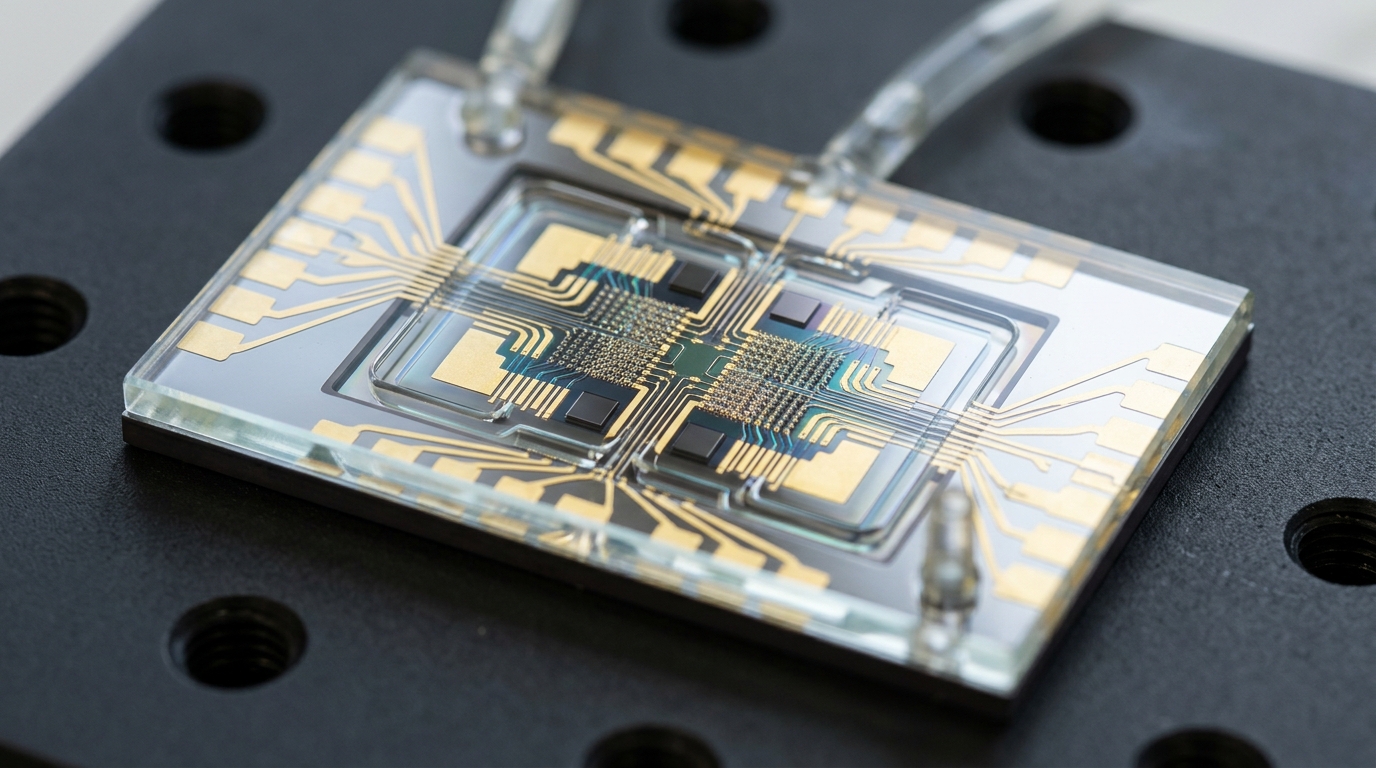
Advances in biosensor technology increasingly rely on the integration of colloidal nanoparticles with carbonaceous supports and polymeric matrices to achieve higher sensitivity, selectivity, and stability. Colloidal particles, ranging from one to one thousand nanometers, offer unique physicochemical properties that differ significantly from bulk materials, particularly their high surface-to-volume ratio and controllable optical, electronic, and magnetic responses. When incorporated into electrochemical, optical, or piezoelectric sensing platforms, these colloids facilitate signal amplification and biorecognition. However, the analytical benefits of such hybridization are not universal; they depend on how the integrated components influence fundamental processes such as charge transfer, analyte transport, receptor accessibility, and interface stability. This comprehensive review synthesizes current understanding of these hybrid architectures, emphasizing the need for rigorous experimental controls to attribute performance improvements directly to the material integration rather than to variations in assay conditions or material loading.
Metallic nanoparticles, such as gold and silver, represent one of the most prominent classes of colloidal materials used in biosensors. Gold nanoparticles are extensively studied due to their chemical inertness, biocompatibility, and surface plasmon resonance properties, which serve as mechanisms for optical signal amplification and electrochemical signal enhancement. Silver nanoparticles offer even sharper plasmonic field enhancements, particularly for surface-enhanced Raman scattering (SERS) applications, although they face challenges regarding chemical oxidation and long-term instability. Semiconductor quantum dots provide an alternative, utilizing quantum confinement to achieve size-tunable fluorescence, which is essential for advanced imaging and optoelectronic biosensing. Meanwhile, silica and clay-based colloids, such as montmorillonite, provide porous or layered structures that support the immobilization of enzymes, antibodies, and nucleic acids. These diverse colloidal materials allow for highly adaptable sensing interfaces, provided that their surface chemistry is carefully functionalized to prevent aggregation and ensure reliable, long-term operational performance in clinical and environmental settings.
In electrochemical biosensors, the goal of incorporating carbon-based materials like graphene, graphene oxide, or carbon nanotubes is often to provide conductive pathways that connect colloidal catalytic sites to the underlying electrode. Graphene-based materials are particularly notable for their two-dimensional structure, which facilitates nanoparticle attachment while supporting electrical conduction, though the disruption of electronic conjugation by oxygen-containing groups in graphene oxide necessitates careful reduction strategies. The integration of conducting polymers such as polypyrrole or polyaniline adds another layer of complexity, serving as an immobilization matrix that can participate in electronic transduction. However, polymer incorporation is not intrinsically beneficial; excessive coating thickness or inappropriate polymerization conditions can significantly impede analyte access to the electrode surface. Comparative studies demonstrate that polymer identity and deposition duration are critical design variables, as they influence the trade-off between the enzyme loading capacity and the kinetic barriers introduced to the sensing interface.
Optical and piezoelectric platforms utilize different colloidal interactions to transduce target recognition into measurable signals. Optical biosensors monitor changes in absorption, emission, or scattering, where colloidal organization and spectral properties determine the sensitivity of the readout. For instance, the use of fibrous scaffolds like polycaprolactone allows for three-dimensional protein loading, while silica-coated silver nanoparticles provide metal-enhanced fluorescence to boost signal output. Piezoelectric sensors, such as the quartz crystal microbalance, monitor acoustic resonance changes associated with target capture at a functionalized surface. In these systems, nanoparticle-containing coatings must be optimized not only for recognition efficiency but also for acoustic coupling. The mechanical properties of the sensing layer, including its hydration and structural integrity, are vital factors that can influence frequency shifts, underscoring why simple mass-loading increases do not always translate to improved detection limits without careful interface engineering.
A central challenge identified in current research is that colloidal stability, while achievable in dispersion through surface ligands, often degrades upon integration into a solid-state device. During the drying and immobilization process, changes in particle separation and ligand organization can fundamentally alter the environment established during synthesis. Furthermore, the thermodynamic stability of a colloidal suspension does not guarantee the structural integrity of the resulting hybrid interface. Fabrication techniques—whether involving direct in situ growth on a transducer, ex situ immobilization of preformed colloids, or suspension-based methods—introduce distinct variables that affect reproducibility. For example, drop-casting techniques are convenient but often lead to heterogeneous particle distributions, whereas electrochemical growth allows for finer control but may require conditions that are incompatible with biological recognition elements or that alter the underlying carbonaceous support.
The interpretation of analytical performance requires a mechanistic understanding of interfacial thermodynamics, charge transfer, and mass transport. In electrochemical systems, an apparent increase in measured current or a decrease in impedance cannot be definitively attributed to faster electron-transfer kinetics without comparing the results against appropriate control interfaces, such as carbon-only or colloid-only electrodes under identical conditions. Mass transport often acts as a rate-limiting constraint in hybrid interfaces, where the characteristic transport time is sensitive to the effective diffusion coefficient within an overlying polymer film. If the film is too thick or dense, the improved immobilization of recognition elements may be offset by significantly delayed analyte access, creating a conflict between the sensor’s response time and its sensitivity. Therefore, researchers must look beyond the detection limit and evaluate the interface through measurements of film thickness, particle coverage, and electroactive surface area.
As biosensing research shifts toward real-world applications in medical diagnostics, food safety, and environmental monitoring, the need for validation in complex sample matrices becomes paramount. Many reported improvements in detection limits were achieved using buffer solutions that do not accurately represent the challenges posed by the interference, fouling, and matrix effects encountered in clinical samples like blood, saliva, or plasma. Recoveries from spiked samples and measurements of endogenous analytes are necessary to establish the reliability of a biosensor. Additionally, durability must be evaluated using standardized protocols, as activity loss over time or after multiple measurement cycles often reveals that an initially sensitive sensor lacks the required operational stability for point-of-care testing. Discerning between enzyme deactivation, component leaching, and changes in the physical interface is essential to identify the true failure mechanisms of emerging technologies.
The role of artificial intelligence in advancing optical sensing, particularly in SERS-based platforms, has introduced new opportunities for high-sensitivity detection. However, the reliability of these systems is heavily dependent on the quality and independence of the validation datasets. Overfitting remains a critical concern, and rigorous validation should involve partitioning data at the patient or sample level to ensure that the model generalizes across diverse biological specimens and independently fabricated substrate batches. Computational receptor design is also emerging as a complement to biological elements, yet these artificial receptors must demonstrate competitive binding specificity and activity retention under matched experimental conditions compared to traditional antibodies. As with other components, the contribution of AI should be clearly linked to the specific optical interaction it monitors rather than being used to mask variability in the underlying nanostructured substrate.
Safety and sustainability considerations add another dimension to the development of next-generation biosensors, particularly regarding the environmental impact of nanomaterial release. The toxicity of materials such as silver or cadmium-containing quantum dots is highly dependent on their surface chemistry, dissolution behavior, and the intended use case of the device. While polymer-encapsulation is often proposed as a strategy to mitigate these risks, the degradation of the organic matrix—and the subsequent fate of the retained inorganic fillers—must be thoroughly assessed throughout the device’s lifecycle. Biodegradability does not imply rapid environmental degradation, especially when compared across different exposure conditions. Future development priorities should focus on minimizing material loading and processing energy while maintaining consistent, scalable fabrication that adheres to green chemistry principles, ensuring that new devices offer a genuine advancement in sustainability.
In conclusion, colloidal materials represent a rapidly maturing field of research with substantial potential to improve the performance of analytical platforms across biomedical, environmental, and industrial applications. Future progress in this area will likely depend on moving away from the exploration of increasingly complex, single-material architectures toward the development of rationally engineered hybrid systems. This transition requires a commitment to systematic interfacial characterization, consistent validation practices, and a clear understanding of the trade-offs inherent in hybrid design. By prioritizing the reproducibility of manufacturing, the reliability of performance in complex matrices, and the evaluation of long-term stability over the pursuit of lowest possible detection limits, the scientific community can translate these versatile colloidal systems into more accessible, accurate, and durable biosensors for decentralized and personalized healthcare solutions.
Subject of Research: Material science and interfacial engineering of colloidal-hybrid biosensors.
Article Title: Carbon- and polymer-integrated colloidal systems for biosensing: interfacial mechanisms, performance trade-offs, and applications
Article References: Akkad, H., Ciftci, F., Özerol, E. A., & Rahebi, J. (2026). Carbon- and polymer-integrated colloidal systems for biosensing: interfacial mechanisms, performance trade-offs, and applications. Frontiers in Chemistry, 14, Article 1985198. https://doi.org/10.3389/fchem.2026.1985198
Image Credits: AI Generated
DOI: 10.3389/fchem.2026.1985198
Keywords: Colloidal biosensors, Nanomaterials, Interfacial engineering, Electrochemical biosensing, Optical biosensors, Carbon supports, Conducting polymers, Biosensor stability, Signal amplification, Biorecognition, Metallic nanoparticles, Quantum dots, Montmorillonite, Point-of-care diagnostics, Sensor reproducibility, Nanoscale interfaces, Surface functionalization, Analytical chemistry, Biointerface engineering, Multiplexed detection
News Source: Denise Maddox. (November 17, 2026). Engineering Colloidal Hybrids for More Sensitive and Stable Biosensing Platforms. Scienmag.