• HOME
  • NEWS
  • EXPLORE
    • CAREER
      • Companies
      • Jobs
    • EVENTS
    • iGEM
      • News
      • Team
    • PHOTOS
    • VIDEO
    • WIKI
  • BLOG
  • COMMUNITY
    • FACEBOOK
    • INSTAGRAM
    • TWITTER
Monday, May 11, 2026
BIOENGINEER.ORG
No Result
View All Result
  • Login
  • HOME
  • NEWS
  • EXPLORE
    • CAREER
      • Companies
      • Jobs
        • Lecturer
        • PhD Studentship
        • Postdoc
        • Research Assistant
    • EVENTS
    • iGEM
      • News
      • Team
    • PHOTOS
    • VIDEO
    • WIKI
  • BLOG
  • COMMUNITY
    • FACEBOOK
    • INSTAGRAM
    • TWITTER
  • HOME
  • NEWS
  • EXPLORE
    • CAREER
      • Companies
      • Jobs
        • Lecturer
        • PhD Studentship
        • Postdoc
        • Research Assistant
    • EVENTS
    • iGEM
      • News
      • Team
    • PHOTOS
    • VIDEO
    • WIKI
  • BLOG
  • COMMUNITY
    • FACEBOOK
    • INSTAGRAM
    • TWITTER
No Result
View All Result
Bioengineer.org
No Result
View All Result
Home NEWS Science News Biology

Engineered T cells promote long-term organ transplant acceptance

Bioengineer by Bioengineer
January 15, 2019
in Biology
Reading Time: 2 mins read
0
IMAGE
Share on FacebookShare on TwitterShare on LinkedinShare on RedditShare on Telegram

IMAGE

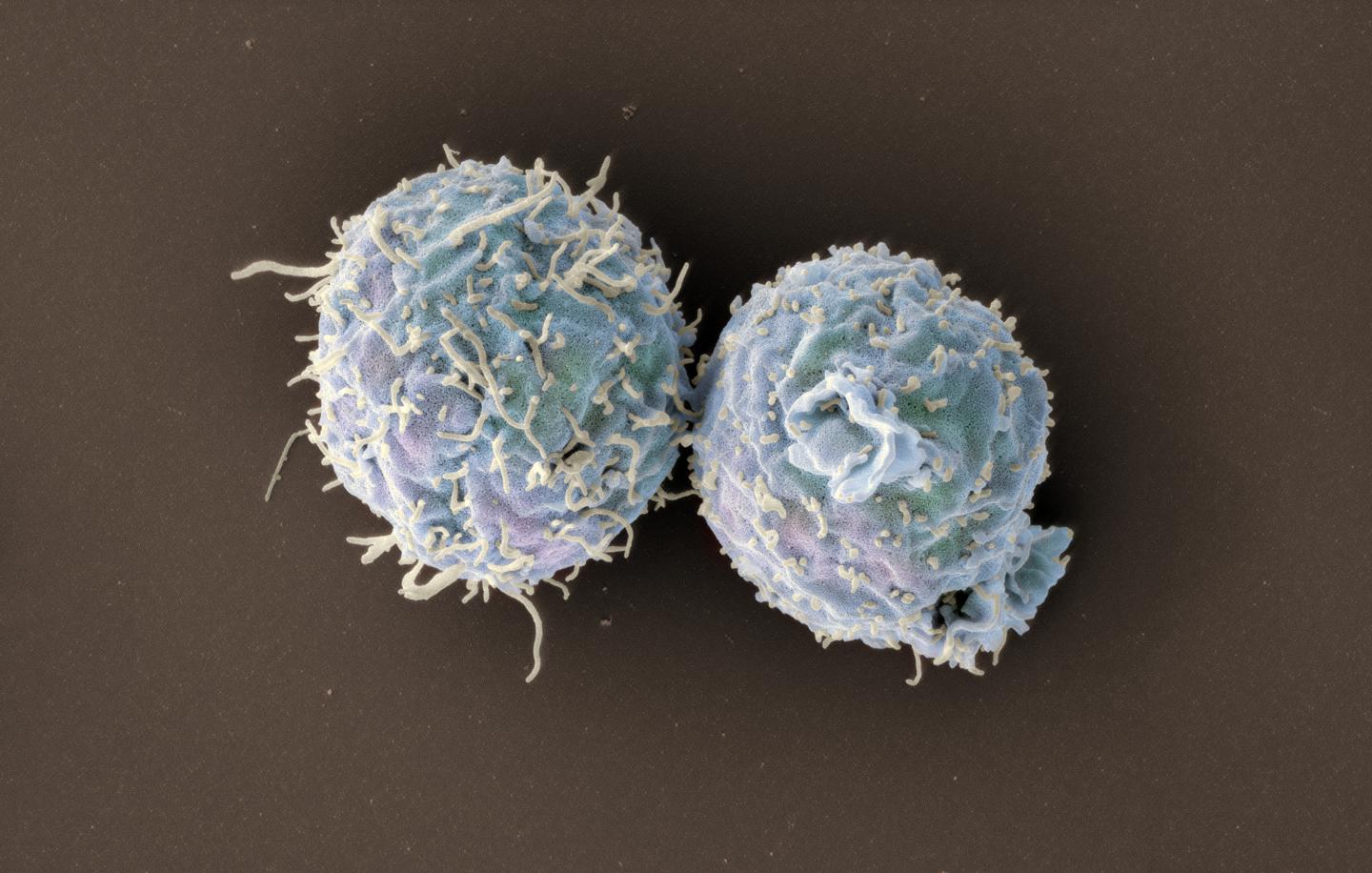
Credit: Image: Swiss Nanoscience Institute/University of Basel, Biozentrum


Organ transplant rejection is a major problem in transplantation medicine. Suppressing the immune system to prevent organ rejection, however, opens the door to life-threatening infections. Researchers at the University of Basel’s Biozentrum have now discovered a molecular approach preventing rejection of the transplanted graft while simultaneously maintaining the ability to fight against infections.

When someone is confronted with ‘foreign’ material, be it viruses, bacteria, fungi, but also donor organs following transplantation, immune cells called T cells come into action to inactivate and destroy the ‘foreign’ material. Prof. Jean Pieters’ team at the Biozentrum of the University of Basel together with collaborating scientists have now described a way to selectively suppress the immune reaction of the body against the donor organ by modulating the protein coronin 1.

By blocking this protein in T cells, these immune cells do not attack the transplanted organ anymore. However, the T cells continue to keep viruses, bacteria and fungal infections in check. These findings could potentially provide new approaches for reducing graft rejection in the future.

Engineered T cells prevent organ rejection but still fight infections

Coronin 1 is a protein that regulates T cells, which are essential for detecting and destroying invaders of the body. These T cells also recognize a transplanted organ as foreign. In a mouse model, the team has now been able to relate these graft rejections by T cells to coronin 1.

“By removing coronin 1, we observed that the T cells not only massively suppressed the immune response to the transplanted organ but even actively prevented its rejection,” says first author Rajesh Jayachandran. “At the same time, we were astonished that coronin 1-depleted T cells continue to fight infections.”

Finding a tolerance pathway for organ transplantation

The lab of Jean Pieters originally defined coronin 1 as a host factor hijacked by pathogens to survive within immune cells. The new research shows that in T cells, coronin 1 modulates a signaling pathway that produces the so-called ‘second messenger’ molecule cAMP. In the absence of coronin 1, cAMP levels drastically increase in T cells, thereby making these cells tolerogenic to the transplanted organ.

However, the group found that when challenged with microbial infections, there is still a way to stimulate T cells to control infections, since microbes induce the expression of certain molecules that neutralize the cAMP-mediated suppression.

Immune defense manipulation for organ transplantation?

The new findings have now demonstrated a way of manipulating the body’s immune response by selectively suppressing the immune response of the host. Whether these findings may result in the development of therapies to allow retention of transplanted organs while retaining the ability to fight infections remains a task for the future.

###

Media Contact
Heike Sacher
[email protected]
41-612-071-449

Related Journal Article

http://dx.doi.org/10.1016/j.immuni.2018.12.011

Tags: BiologyImmunology/Allergies/AsthmaMolecular BiologyTransplantation
Share12Tweet8Share2ShareShareShare2

Related Posts

HIV-1 Strains Reveal Varied Paths to Antibody Escape — Biology

HIV-1 Strains Reveal Varied Paths to Antibody Escape

May 11, 2026
CRISPRi Screening Identifies Fungal-Specific Drug Targets — Biology

CRISPRi Screening Identifies Fungal-Specific Drug Targets

May 11, 2026

Transforming Jellyfish Bycatch into a Valuable Collagen Source for Cosmetics and Biotechnology

May 11, 2026

Ancient Plant Populations Reveal Fresh Insights into Climate Resilience

May 8, 2026
Please login to join discussion

POPULAR NEWS

  • Research Indicates Potential Connection Between Prenatal Medication Exposure and Elevated Autism Risk

    841 shares
    Share 336 Tweet 210
  • New Study Reveals Plants Can Detect the Sound of Rain

    728 shares
    Share 290 Tweet 182
  • Salmonella Haem Blocks Macrophages, Boosts Infection

    62 shares
    Share 25 Tweet 16
  • Breastmilk Balances E. coli and Beneficial Bacteria in Infant Gut Microbiomes

    57 shares
    Share 23 Tweet 14

About

We bring you the latest biotechnology news from best research centers and universities around the world. Check our website.

Follow us

Recent News

HIV-1 Strains Reveal Varied Paths to Antibody Escape

Rapid Nanopore Genomics Tracks Malaria Across Africa

Global City Growth Decouples from Fossil Fuels

Subscribe to Blog via Email

Enter your email address to subscribe to this blog and receive notifications of new posts by email.

Join 82 other subscribers
  • Contact Us

Bioengineer.org © Copyright 2023 All Rights Reserved.

Welcome Back!

Login to your account below

Forgotten Password?

Retrieve your password

Please enter your username or email address to reset your password.

Log In
No Result
View All Result
  • Homepages
    • Home Page 1
    • Home Page 2
  • News
  • National
  • Business
  • Health
  • Lifestyle
  • Science

Bioengineer.org © Copyright 2023 All Rights Reserved.