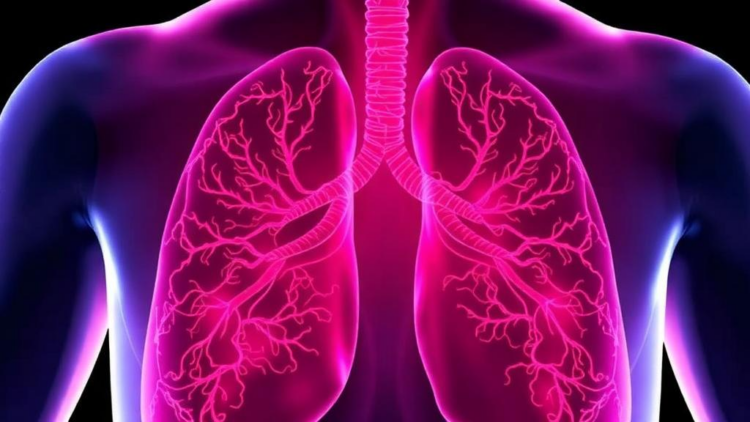
Acute respiratory distress syndrome, or ARDS, remains one of the most feared conditions in intensive care medicine. It strikes rapidly, flooding the lungs with inflammatory fluid, starving the blood of oxygen, and leaving patients dependent on ventilators. Even with modern supportive care, mortality in severe cases can reach forty percent. A new study published in the Journal of Biomedical Science now adds a crucial piece to the puzzle of how this devastating barrier failure unfolds, pointing to a single molecular scissors on the surface of blood vessel cells as a master regulator of the inflammatory storm.
The research, led by Anna Biedritzky and Michael Koeppen at University Hospital of Tuebingen in Germany, focused on a membrane-bound enzyme called ADAM17, short for A Disintegrin and Metalloproteinase 17. This protease is known to cleave, or shed, the outer portions of a wide range of molecules sitting on the cell surface, including adhesion proteins and cytokine receptors. By snipping these molecules, ADAM17 can fundamentally change how immune cells interact with blood vessels and how inflammatory signals propagate through tissue. What remained poorly understood was how much of the lung damage in ARDS could be attributed specifically to the version of ADAM17 produced by endothelial cells, the thin layer of cells lining the pulmonary microvasculature.
To answer this question, the team engineered mice in which the ADAM17 gene could be selectively deleted in endothelial cells using the Cre/loxP system, crossing mice carrying loxP-flanked ADAM17 alleles with Tie2-Cre driver animals. When these knockout mice and their normal littermates inhaled lipopolysaccharide, a bacterial endotoxin that triggers acute lung inflammation, the difference was striking. Three hours after exposure, total lung ADAM17 messenger RNA in the knockout animals was reduced by 77.5 percent compared with controls, demonstrating that endothelial cells are the dominant source of this protease in the inflamed lung. Flow cytometry confirmed that ADAM17 surface expression dropped on pulmonary endothelial cells while remaining intact on neutrophils and platelets, validating the specificity of the genetic deletion.
The most dramatic consequences appeared at the endothelial barrier itself. In control mice, LPS exposure caused the characteristic hallmarks of ARDS-like injury: thickening of the alveolar septa, gaps between endothelial cells, and protein-rich fluid pouring into the airspaces. In the knockout mice, lung architecture was substantially preserved. The researchers traced this protection to the maintenance of junctional integrity. Surface expression of JAM-A, a junctional adhesion molecule that redistributes during inflammation to permit leukocyte passage, was markedly altered in the absence of endothelial ADAM17. Crucially, the tight junction proteins ZO-1, occludin, and claudin-5, along with the adherens junction protein VE-cadherin, were all preserved at higher levels in the knockout animals, both in vivo and in cultured human endothelial and epithelial cells treated with ADAM17 inhibitors.
Functional measurements confirmed what the microscopy suggested. Using the Evans blue extravasation assay, in which a dye bound to albumin leaks out of vessels only when the barrier fails, the team showed that knockout lungs accumulated significantly less dye six hours after LPS challenge, the known peak of vascular leakage in this model. Total protein in bronchoalveolar lavage fluid, an indirect indicator of alveolar-capillary permeability, was also significantly lower in the knockout group. According to the authors, this represents the first direct demonstration of reduced Evans blue extravasation in this endothelial-specific ADAM17 knockout model, providing functional confirmation of a barrier-protective phenotype that earlier work had inferred mainly from histology and lavage protein measurements.
The study also resolved a long-standing question about where neutrophils get stuck when ADAM17 is missing. Rather than simply counting cells in the whole lung, the researchers used a compartment-specific flow cytometry approach, tagging neutrophils still inside the pulmonary vasculature with an intravenously injected antibody before tissue collection. This allowed them to distinguish intravascular, endothelial-adherent, interstitial, and intra-alveolar neutrophils. The results were revealing: knockout mice had similar numbers of circulating neutrophils as controls, but significantly more neutrophils retained at the endothelial surface and significantly fewer in the interstitium and alveolar space. The retained neutrophils showed elevated surface expression of the adhesion molecules CD162, also known as PSGL-1, and CD49d, an integrin subunit, consistent with a failure to complete the transmigration program.
Complementary experiments in a Transwell system, in which human neutrophils migrate across an endothelial-epithelial barrier along a chemotactic gradient of fMLP, reinforced this interpretation. Pharmacological inhibition of ADAM17 with TAPI-1, or dual inhibition of ADAM17 and ADAM10 with GW280264X, significantly reduced neutrophil transmigration, attenuated myeloperoxidase release, and lowered expression of the transmigration-associated molecules CD11b and JAM-A on the cells that did cross. Together, the in vivo and in vitro data suggest that endothelial ADAM17 does not control the initial adhesion of neutrophils to the vessel wall but rather their passage through it, coordinating shedding events that permit immune cells to squeeze between junctional complexes.
Beyond the physical barrier, the study uncovered a selective signaling role for the endothelial protease. Gene expression analysis three hours after LPS inhalation showed that deletion of endothelial ADAM17 selectively dampened two proinflammatory cascades: the TNF receptor 1 pathway, with reduced downstream NF-kappaB, JNK, TRADD, and CREB transcripts, and the interleukin-6 receptor pathway, with reduced JAK1 and STAT3 expression. In contrast, the TLR4 pathway, the primary sensor for bacterial endotoxin, was activated to the same degree in knockout and control mice, and immunostaining located TLR4 on endothelial cells, epithelial cells, and infiltrating neutrophils in both genotypes. The maturation and trafficking machinery for ADAM17 itself, involving iRhom2, AT1R, and iTAP, was likewise unaffected, indicating that the enzyme’s influence operates through its shedding substrates rather than through its own regulation.
The downstream consequences for the alveolar inflammatory milieu were substantial. Bronchoalveolar lavage fluid from knockout mice contained significantly less TNF-alpha, less soluble CD62L, less myeloperoxidase, and less neutrophil elastase, while levels of the anti-inflammatory cytokine IL-10 were higher, indicating a shift toward a resolving, less tissue-destructive environment. Pharmacological inhibition largely reproduced the genetic phenotype: TAPI-1 reduced interstitial neutrophil accumulation, GW280264X reduced both interstitial and alveolar accumulation, and both inhibitors preserved VE-cadherin expression, reduced chemokine CXCL2/3 release, and limited Evans blue leakage. Dual inhibition even caused neutrophils to pile up at the endothelium, mirroring the genetic knockout and pointing to cooperative roles for ADAM17 and ADAM10 in the transmigration cascade.
The authors are careful to note the translational caveats. In this study, inhibitors were given one hour before the LPS challenge, a standard target-validation design, so whether ADAM17 blockade helps after lung injury has already begun remains to be tested. Because ADAM17 has a broad substrate repertoire with physiological functions throughout the body, the authors suggest that future therapies may need to be temporally restricted, endothelial-targeted, locally delivered, or substrate-selective to minimize systemic side effects. Even with these limitations, the convergence of endothelial-specific genetic deletion and differential pharmacological inhibition makes a compelling case that ADAM17 on the pulmonary endothelium acts as a central inflammatory amplifier in acute lung injury, coordinating neutrophil trafficking, junctional destabilization, vascular leakage, and cytokine signaling. For a syndrome with mortality approaching forty percent and few options beyond supportive care, a druggable molecular chokepoint on the vessel wall is exactly the kind of target the field has been searching for.
Subject of Research: The role of endothelial ADAM17 in neutrophil migration and microvascular permeability during acute lung inflammation
Article Title: Endothelial ADAM17 facilitates neutrophil migration and pulmonary microvascular permeability in acute lung inflammation
Article References: Biedritzky, A., Kleinmaier, C., Fuhr, A., Herrmann, L. M., Ngamsri, K.-C., Konrad, F., & Koeppen, M. (2026). Endothelial ADAM17 facilitates neutrophil migration and pulmonary microvascular permeability in acute lung inflammation. Journal of Biomedical Science, 33(1), Article 91. https://doi.org/10.1186/s12929-026-01290-7
Image Credits: AI Generated
DOI: 10.1186/s12929-026-01290-7
Keywords: ARDS, ADAM17, endothelial barrier, neutrophil migration, acute lung injury, vascular permeability, TNF-alpha, IL-6 signaling, JAM-A, VE-cadherin, LPS, pulmonary inflammation
Cite Scienmag News
APA MLA Chicago
Ophelia Keating. (September 30, 2026). Endothelial Protease ADAM17 Emerges as Central Driver of Lung Injury and Vascular Leakage. Scienmag. https://scienmag.com/endothelial-protease-adam17-emerges-as-central-driver-of-lung-injury-and-vascular-leakage/
Ophelia Keating. “Endothelial Protease ADAM17 Emerges as Central Driver of Lung Injury and Vascular Leakage.” Scienmag, 30 September 2026, https://scienmag.com/endothelial-protease-adam17-emerges-as-central-driver-of-lung-injury-and-vascular-leakage/. Accessed 30 September 2026.
Ophelia Keating. “Endothelial Protease ADAM17 Emerges as Central Driver of Lung Injury and Vascular Leakage.” Scienmag. September 30, 2026. https://scienmag.com/endothelial-protease-adam17-emerges-as-central-driver-of-lung-injury-and-vascular-leakage/
Copy citation Download RIS
Tags: acute lung injuryADAM17ARDSendothelial barrierIL-6 signalingJAM-ALPSneutrophil migrationpulmonary inflammationTNF-alphavascular permeabilityVE-cadherin