In a groundbreaking study published recently, researchers have unveiled a revolutionary approach to treat post-surgical anastomotic leaks using endoscopic negative pressure therapy. This innovative method stands to change the therapeutic landscape for patients who experience leakage after colorectal resections, a complication that can have dire consequences and traditionally demands more invasive solutions. The study conducted by Kantowski et al. highlights the efficacy and safety of this novel technique, opening avenues for better management of such complex cases.
Anastomotic leaks pose significant challenges in postoperative care, particularly following colorectal surgeries. The implications of these leaks can range from increased morbidity to prolonged hospital stays and higher healthcare costs. Traditionally, the management of these leaks would involve the creation of an ostomy, often viewed as a last resort when treating these complications. However, the introduction of endoscopic negative pressure therapy suggests a less invasive alternative that could markedly improve patient outcomes and quality of life.
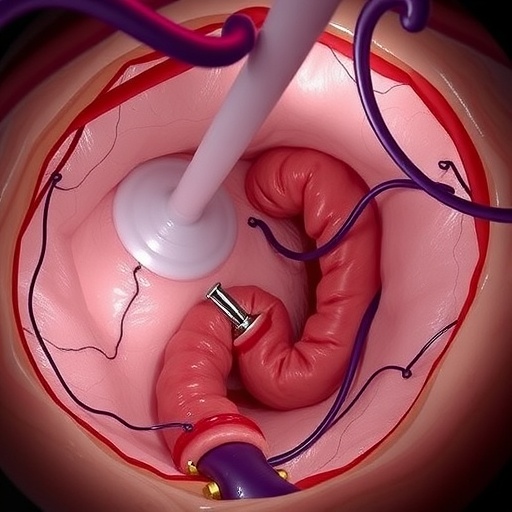
Endoscopic negative pressure therapy (ENPT) is an advanced technique that applies negative pressure to promote healing and closure of anastomotic leaks. This method harnesses the power of suction to help draw the edges of the leak together while simultaneously removing excess fluid and debris that can obstruct healing. The study by Kantowski and colleagues showcases how ENPT effectively enhances the healing process, allowing for closure without the need for ostomy, thus representing a paradigm shift in the current management strategies for anastomotic leaks.
In their research, the authors evaluated a cohort of patients who suffered from anastomotic leaks post-colorectal resection and underwent ENPT as a salvage treatment. The results were promising, demonstrating a significant rate of successful closure and minimal complications, as well as reduced hospital stays compared to conventional methods. This finding is especially relevant as it underscores the potential for ENPT to become a first-line treatment option, rather than being relegated to a last-resort procedure.
The technique involves the use of a specialized endoscope equipped with a suction mechanism that can be easily navigated within the gastrointestinal tract. Following the identification of the leak, the endoscope is employed to place a drainage system that applies continuous negative pressure. This technological integration allows clinicians to perform the procedure with a high degree of precision, thereby minimizing trauma to surrounding tissues.
One of the particularly striking findings from the study was the quick mobilization of patients following the ENPT procedure. Traditionally, patients with anastomotic leaks are often faced with extended periods of immobilization, resulting in increased risk of complications such as venous thromboembolism and muscle atrophy. Remarkably, those treated with ENPT experienced a quicker return to normal activities, a testament to the efficacy of the therapy in reducing recovery time.
Moreover, the use of ENPT may also reduce the psychological burden often associated with ostomy creation. Patients frequently report feelings of anxiety and distress after undergoing such irreversible changes to their bodies. By offering an option that allows for the avoidance of ostomy, this therapy could significantly enhance the overall mental well-being of patients grappling with the aftermath of colorectal surgery.
Nonetheless, while the results are encouraging, the authors emphasize the need for further studies with larger cohorts and long-term follow-up to comprehensively evaluate the sustainability of these outcomes. Future research could also explore the application of endoscopic negative pressure therapy beyond anastomotic leaks, potentially addressing other challenging complications in gastrointestinal surgeries.
In essence, this study serves as a beacon of hope for patients facing the daunting prospect of anastomotic leaks. The implications of adopting ENPT as a standard treatment protocol could be far-reaching, not only transforming surgical practices but also reshaping the patient experience throughout the healing journey.
The innovative approach detailed in this research aligns perfectly with modern healthcare’s shift toward minimally invasive procedures, prioritizing patient recovery and comfort. As more medical professionals become aware of this therapy, its adoption in clinical settings is likely to accelerate.
Ultimately, the introduction of endoscopic negative pressure therapy could herald a new era in the management of post-surgical complications. By improving healing rates and minimizing the need for ostomy, this treatment not only enhances clinical outcomes but also champions patient-centered care, a cornerstone of contemporary medical practices. As the field continues to evolve, it becomes increasingly clear that innovations such as ENPT have the potential to profoundly influence the lives of countless patients in need.
In conclusion, Kantowski et al.’s study represents a pivotal moment in the treatment of anastomotic leaks, providing compelling evidence for the efficacy of endoscopic negative pressure therapy. As research in this area advances, it holds promise for democratizing access to effective treatment solutions and elevating the standard of care for patients undergoing colorectal surgeries.
Subject of Research: Management of post-surgical anastomotic leaks using endoscopic negative pressure therapy.
Article Title: Endoscopic negative pressure therapy as a salvage treatment for management of post-surgical anastomotic leaks without ostomy after colorectal resection.
Article References: Kantowski, M., Perez, D., Bellon, E. et al. Endoscopic negative pressure therapy as a salvage treatment for management of post-surgical anastomotic leaks without ostomy after colorectal resection. Sci Rep 15, 38115 (2025). https://doi.org/10.1038/s41598-025-25181-3
Image Credits: AI Generated
DOI:
Keywords: Endoscopic negative pressure therapy, anastomotic leaks, colorectal resection, minimally invasive procedures, patient care.
Tags: advanced therapeutic methods for leaksanastomotic leak prevention strategiescolorectal anastomotic leak treatmentendoscopic negative pressure therapyhealthcare cost reduction in surgeryinnovative wound healing techniquesKantowski study on ENPTminimally invasive surgical solutionsnon-invasive treatment alternativespatient outcomes in colorectal surgerypost-surgical complication managementreducing morbidity with ENPT