A key cause for the pelvic pain experienced by women with endometriosis has been uncovered, potentially opening new opportunities for pain relief for the condition
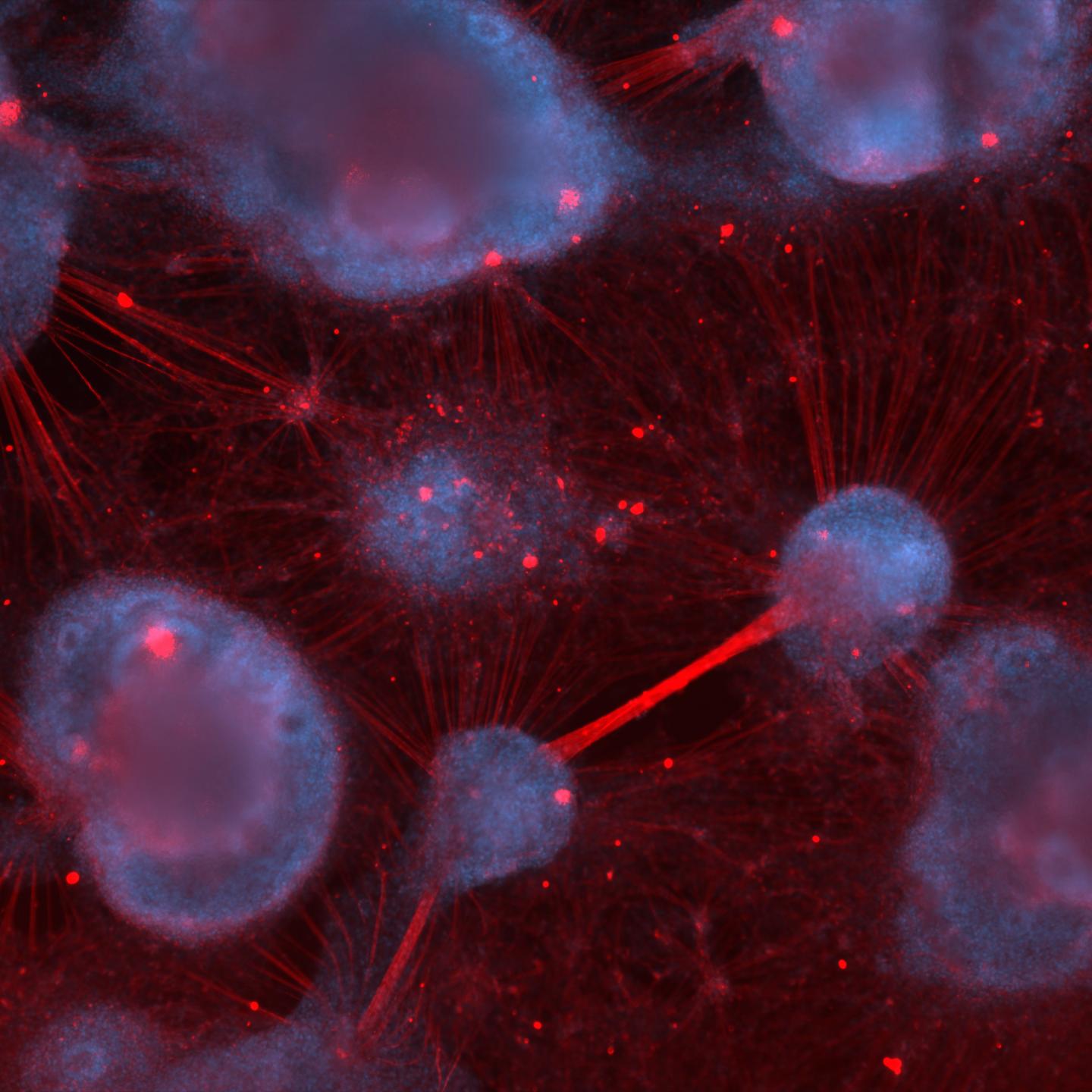
Credit: Alexandra Sarginson
- Role of immune cells called macrophages in causing pain in endometriosis revealed
- Researchers from the University of Warwick and the University of Edinburgh demonstrate that macrophages increase growth and activation of nerve cells
- Endometriosis can lead to significant pain and infertility for women
- 176 million women worldwide suffer from endometriosis
A key cause for the pelvic pain experienced by women with endometriosis has been uncovered, potentially opening new opportunities for pain relief for the condition.
The Greaves lab, now part of Warwick Medical School at the University of Warwick, along with collaborators at the University of Edinburgh, have discovered how cells in our immune system play a role in stimulating the growth and activity of nerve cells in the condition, leading to increased sensitivity to pain in the pelvic region. The discovery is published today (11 July) in The FASEB Journal and was supported by funding from the Medical Research Council.
Around 176 million women worldwide suffer from endometriosis, in which cells like the internal lining of the uterus (endometrium) grow outside of it in the form of lesions, typically in the pelvic (peritoneal) cavity. It can cause significant pelvic pain and is associated with infertility for some women with the condition. Currently, treatment options are limited to surgical removal of lesions or medical management to suppress ovarian hormone production. New non-hormonal treatments are desperately needed.
For this research the team focused on the role of macrophages, a type of white blood cell found in our immune system, in contributing to the pain caused by endometriosis. Macrophages adapt their functions according to local signals and so become modified by disease. They are drawn more to the endometriosis lesions and are also found in high numbers inside the lesions themselves.
Using a cell culture of these diseased-modified macrophages, the scientists observed increased production of the insulin-like growth factor-1 (IGF-1). Applying this onto nerve cells grown in culture, they found that this encouraged the nerves to grow and also activated them, demonstrating that production of IGF-1 by macrophages plays an important role in generating pain in endometriosis.
To further confirm their results, the researchers examined peritoneal fluid from women with endometriosis and found increased concentrations of IGF-1 compared to those without the condition. Those women also self-reported experiencing greater levels of pain.
Previous studies have shown that macrophages can be involved in other types of chronic pain, but this is the first time that it has been shown to be linked to endometriosis.
Lead author Dr Erin Greaves from Warwick Medical School said: “Endometriosis is sometimes considered a ‘hidden disorder’ because of a reluctance to discuss what can be passed off as ‘women’s problems’ . Hormonal solutions rely on suppressing ovarian function but are not ideal as they can cause unwanted side effects, and prevent the user from becoming pregnant. We are trying to find non-hormonal solutions.
“If we can learn about the role of macrophages in endometriosis then we can distinguish them from healthy macrophages and target treatment to them. Macrophages are so crucial to our immune system tissue function and we need to know more about their roles, so this research goes some way in defining how macrophages are different in endometriosis.”
Macrophages are known to change their function based on their local environment and so adopt a different gene expression in the presence of endometriosis lesions. While this acts to increase the sensitivity to pain in that location, it may also act as a potential marker to target for treatment.
Dr Greaves added: “Endometriosis can affect women throughout their lives and is a very common condition. This discovery will go some way towards finding ways to relieve symptoms for women who suffer from endometriosis. We hope that in the future we can learn exactly how disease-modified macrophages in endometriosis promote disease and how we can target them in order to treat endometriosis.”
###
- ‘Macrophage-derived insulin-like growth factor-1 is a key neurotrophic and nerve-sensitizing factor in pain associated with endometriosis’ published in The FASEB Journal, DOI: 10.1096/fj.201900797R
Media Contact
Peter Thorley
[email protected]
Related Journal Article
http://dx.