In a groundbreaking study published in Nature, researchers from St. Jude Children’s Research Hospital have unveiled new insights into tumor immunology that could revolutionize cancer treatment, especially for pediatric solid tumors that exhibit resistance to existing therapies. The research focuses on a specific protein known as voltage-dependent anion channel 2 (VDAC2), which plays a critical role in enabling cancer cells to evade the immune response. The study suggests that inhibiting this protein, which acts as a “signal jammer,” could enhance the effectiveness of immunotherapy in targeting these resilient tumors.
The concept behind this study stems from the understanding that solid tumors often develop mechanisms to circumvent detection and elimination by the immune system. In a typical healthy individual, T cells, a critical component of the immune response, identify and attack cancer cells by releasing interferon-gamma, a potent cytokine. This cytokine has the ability to inhibit tumor growth and activate various immune pathways. However, its effectiveness has been poorly translated into many cancer treatments, owing largely to the ability of certain tumors to develop resistance. The researchers at St. Jude have discovered how VDAC2 helps these tumors resist the effects of interferon-gamma.
By conducting CRISPR-Cas9 screenings, the team was able to pinpoint the genes most implicated in tumor immunoresistance. Their subsequent findings showcased that the absence of VDAC2 significantly increased cancer cell susceptibility to interferon-gamma and led to a marked increase in tumor cell death. This absence not only promoted the direct killing of cancer cells but also incited an inflammatory response that rendered tumors more amenable to treatment with immunotherapeutic agents. Such findings are particularly pivotal, as they provide a pathway for the development of new drugs targeting proteins like VDAC2 that protect tumor cells by preventing their demise and blocking inflammatory signals.
In essence, the researchers have likened VDAC2 to a signal jammer for mobile phones, obstructing essential communications between tumor cells and the immune system. When VDAC2 is present, it prevents tumor cells from receiving the critical signals sent by T cells, thereby stunting the immune response. The compelling aspect of this study is that by eliminating VDAC2, the cancer cells are better positioned to detect and respond to these anticancer signals, which in turn leads to the activation of pathways that promote cell death.
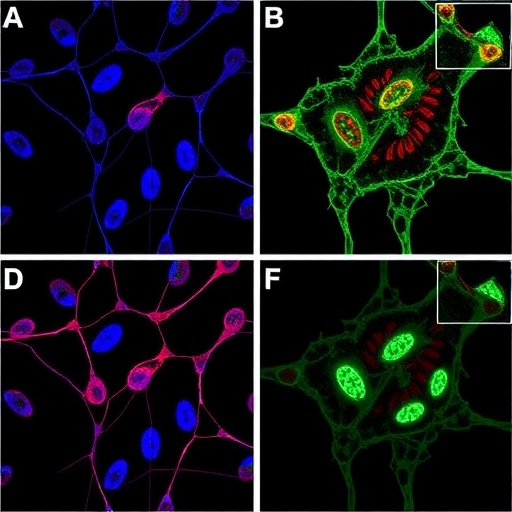
Another significant finding from this study reveals the undeservedly prominent role of mitochondria in immune responses against tumors. Once viewed primarily as energy-producing organelles, mitochondria exhibit far-reaching implications on cell signaling, particularly in terms of immune communication. When VDAC2 is knocked out in cancer cells, these cells can release mitochondrial DNA that activates specific immune sensors, ultimately stimulating the production of type I interferons. This cascade results in a heightened immune response, effectively providing the cancer cells with the means to communicate with the body’s adaptive immune system, thus amplifying the anticancer effects.
The relationship between cytokines and mitochondrial activity highlights a complex interplay in regulating immune responses within tumors. Researchers observed that when VDAC2 was absent, there was an unexpected enhancement of innate immune signaling that stemmed from T-cell activities. This reverse mechanism invites further exploration into the development of novel therapies aimed at modifying mitochondrial functions in tumors to aid immunotherapy.
While VDAC2 presents an attractive target for therapeutic intervention, it is crucial to note that no specific drugs currently exist for its inhibition. However, this study lays the groundwork for future research efforts directed toward developing such inhibitors. The increasing understanding of how VDAC2 operates within the tumor microenvironment and its implications for immunotherapy opens new avenues for treatment strategies.
Moreover, the ongoing exploration of mitochondrial biology in the context of cancer treatment could unlock revolutionary approaches for overcoming the barriers that have thwarted traditional therapies for decades. Understanding how to harness this knowledge could prove pivotal in the quest to find effective treatments that can one day enable all patients to benefit from the miraculous potential of immunotherapy.
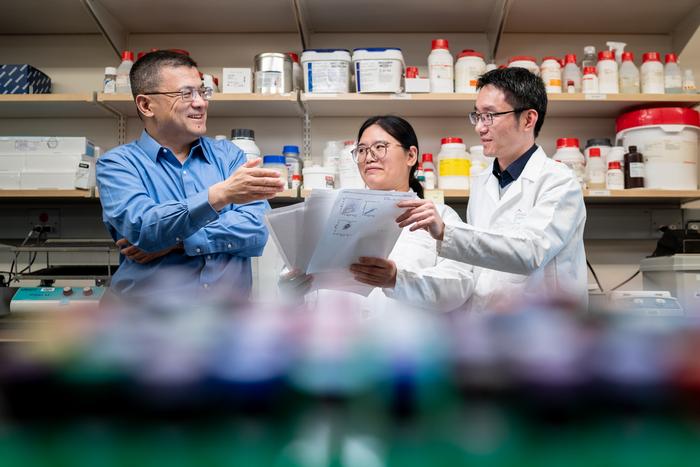
The research team, led by corresponding author Hongbo Chi, emphasizes the urgency for stakeholders in the scientific community to take note of these discoveries. As novel therapeutic strategies emerge, it will be essential to collaborate across various specialties in cancer research and immunology to ensure that we capitalize on the insights gained from these preliminary studies. The future of cancer immunotherapy could very well hinge on the ability to exploit the vulnerabilities uncovered in this research focusing on VDAC2 and its critical role in tumor resilience.
Without a doubt, this study is a reminder that breakthroughs in cancer research often arise from the most unexpected findings, encouraging researchers to continually question established paradigms in cancer treatment. With the findings from St. Jude Children’s Research Hospital, the message to the scientific community is clear: there are still unknowns in the complex interplay between cancer cells and the immune system, and uncovering these intricacies can pave the way towards more effective strategies for eradicating cancer.
Subject of Research: VDAC2 and its role in tumor immunology
Article Title: VDAC2 loss unleashes tumor destruction and inflammation for cancer therapy
News Publication Date: 19-Mar-2025
Web References: St. Jude Children’s Research Hospital
References: Nature Journal
Image Credits: Courtesy of St. Jude Children’s Research Hospital
Keywords: Cancer immunotherapy, Gene targeting, Molecular targets, Cell death pathways, Cancer cells, Cellular proteins, Mitochondrial proteins, Tumor cells, Cancer research, Mitochondrial DNA
Tags: advancements in tumor immunology researchcancer immunotherapy breakthroughsCRISPR-Cas9 gene editing in cancerenhancing T cell response in tumorsinnovative cancer research at St. Judeinterferon-gamma in cancer therapyovercoming tumor resistance mechanismspediatric cancer treatment advancessignal jamming proteins in immunologysolid tumor immune evasion strategiestargeting resilient pediatric tumorsVDAC2 protein role in tumors