Chronic atrophic gastritis is a precancerous gastric lesion in which the stomach lining gradually thins and loses glandular function, and it remains a difficult condition to reverse once established. Electroacupuncture, a technique that delivers mild electrical current through acupuncture needles, has previously been reported to improve symptoms and mucosal injury associated with the disease. What has remained unclear is how the intervention acts at the molecular level. A new study from researchers at Fujian University of Traditional Chinese Medicine, Guangzhou University of Traditional Chinese Medicine Shenzhen Hospital, and Xiamen University set out to answer that question using an animal model, combining two large-scale molecular profiling methods to map the changes that electroacupuncture produces in diseased stomach tissue.
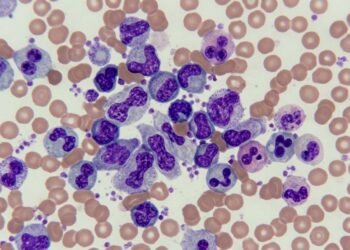
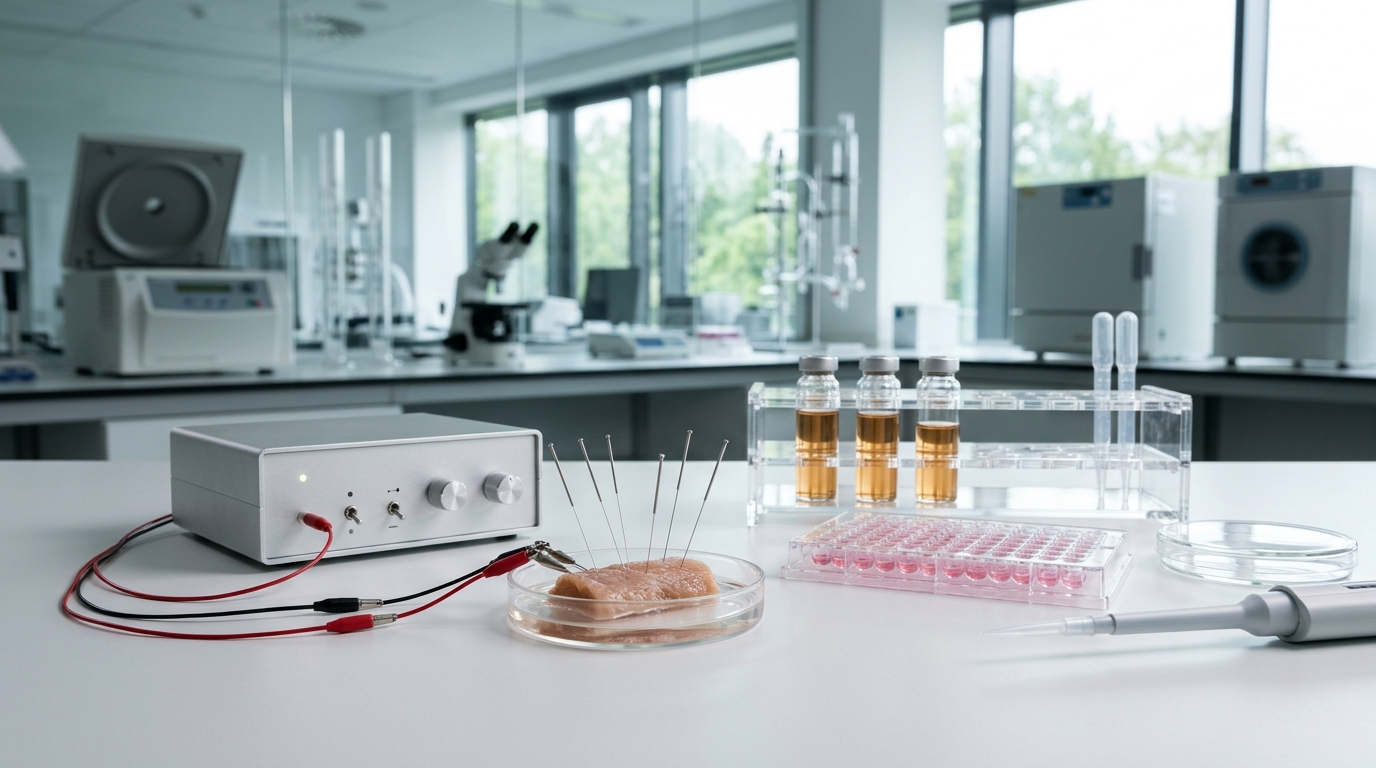
The team worked with male specific pathogen-free Sprague-Dawley rats, dividing them into three groups: a healthy control group, a group in which chronic atrophic gastritis was induced, and a group that received both the disease induction and electroacupuncture treatment. The disease was produced with a multifactorial protocol designed to mimic the combined insults that drive the condition in humans. Treatment consisted of electroacupuncture applied at two classical acupoints, Zusanli (ST36) on the lower limb and Zhongwan (CV12) on the abdomen, for twenty minutes each day over a period of two weeks. Researchers then evaluated the stomach tissue under the microscope using hematoxylin-eosin staining to assess the degree of mucosal atrophy and inflammatory cell infiltration.
The histological results showed that electroacupuncture significantly attenuated gastric mucosal atrophy and reduced the infiltration of inflammatory cells in the treated animals compared with untreated diseased rats. Alongside this tissue-level improvement, the researchers measured a significant drop in the mRNA levels of two genes, CDK4 and CDK6, which encode cyclin-dependent kinases that drive cell-cycle progression. Because these kinases regulate how cells move through the division cycle, their reduced expression in treated tissue suggested that the therapy might be influencing proliferative signaling in the injured gastric lining.
To look beyond individual genes, the investigators turned to integrated transcriptomics, which measures the complete set of RNA transcripts in the tissue, paired with data-independent acquisition proteomics, a mass-spectrometry approach that quantifies large numbers of proteins in an unbiased fashion. The transcriptomic analysis identified 1,662 differentially expressed genes in the electroacupuncture group. When these genes were mapped onto known biological pathways, they clustered significantly in estrogen signaling and in transcriptional misregulation in cancer, two categories that connect hormonal signaling and aberrant gene regulation to disease processes.
The proteomic side of the study told a complementary story. Data-independent acquisition proteomics identified 298 differentially expressed proteins in the treated tissue. These proteins were enriched in pathways covering drug metabolism, amino acid metabolism, muscle contraction, muscle regulation, and mitochondrial metabolism. The appearance of metabolic categories, particularly mitochondrial metabolism and amino acid handling, pointed to a broad shift in how the gastric tissue produces and consumes energy once electroacupuncture is applied, while the muscle-related categories reflect the contractile and regulatory functions of the stomach wall.
Bringing the two datasets together, the researchers performed an integrated analysis to find molecular changes that appeared consistently at both the RNA and protein levels. This convergence identified 24 concordant differentially expressed genes and proteins, a much smaller set that the authors treated as the strongest candidate targets of the intervention. Among these, one gene stood out after validation: PDK4, which encodes pyruvate dehydrogenase kinase 4, an enzyme that regulates the entry of carbohydrate-derived fuel into mitochondrial energy production. Reverse transcription quantitative polymerase chain reaction, a targeted and sensitive method for measuring specific transcripts, confirmed that PDK4 was significantly downregulated in the electroacupuncture group, with the result reaching a statistical threshold of P less than 0.01.
The significance of PDK4 lies in its role as a metabolic switch. By inhibiting the pyruvate dehydrogenase complex, PDK4 shifts cells away from glucose oxidation in the mitochondria toward alternative energy pathways. Its downregulation in treated tissue suggests that electroacupuncture may be associated with a reconfiguration of energy metabolism in the diseased gastric mucosa, occurring in parallel with the observed histological recovery. The authors also noted that the reduced CDK4 and CDK6 mRNA levels, measured at a statistical threshold of P less than 0.05, were associated with the intervention and may contribute to the amelioration of gastric mucosal injury, linking cell-cycle regulation to the tissue-level improvements seen under the microscope.
It is important to read these findings within the boundaries of the study design. The work was conducted entirely in rats, using a surgically and chemically induced model of chronic atrophic gastritis, and the molecular signals were measured in gastric tissue rather than in human patients. The authors describe the relationship between the molecular changes and the tissue improvements as an association, and the study identifies candidate targets rather than proving a definitive mechanism. The pathway enrichments, including estrogen signaling and transcriptional misregulation in cancer, are descriptive mappings of differentially expressed genes and do not by themselves establish clinical effects. Translating these observations into human therapy would require studies in patient populations, with appropriate controls and longer follow-up.
Nevertheless, the study offers a concrete molecular portrait of what electroacupuncture changes in diseased stomach tissue. By combining unbiased transcriptomic and proteomic profiling with targeted validation, the researchers narrowed thousands of molecular measurements down to a short list of concordant changes, anchored by PDK4 and the cell-cycle genes CDK4 and CDK6. The convergence of metabolic and cell-cycle signals with visible tissue repair provides a framework for future investigations into how this traditional technique might be understood in modern molecular terms, and it highlights the value of pairing RNA and protein measurements when searching for the biological targets of a complex intervention.
Subject of Research: Transcriptomic and proteomic responses to electroacupuncture in a rat model of chronic atrophic gastritis
Article Title: Integrated transcriptomic and proteomic profiling suggests PDK4 and cell cycle-related responses to electroacupuncture in a rat model of chronic atrophic gastritis
Article References: Chen, L., Qin, T., Wang, Y., Wang, J., Wu, Y., Yang, X., & Xie, Y. (2026). Integrated transcriptomic and proteomic profiling suggests PDK4 and cell cycle-related responses to electroacupuncture in a rat model of chronic atrophic gastritis. Frontiers in Gastroenterology, 5, Article 1894243. https://doi.org/10.3389/fgstr.2026.1894243
Image Credits: AI Generated
DOI: 10.3389/fgstr.2026.1894243
Keywords: chronic atrophic gastritis, electroacupuncture, PDK4, CDK4, CDK6, transcriptomics, proteomics, DIA proteomics, RT-qPCR, rat model, gastric mucosa, Zusanli
News Source: Juliet Wilcox. (November 5, 2026). Electroacupuncture reshapes gene and protein signals in rats with chronic atrophic gastritis. Scienmag.