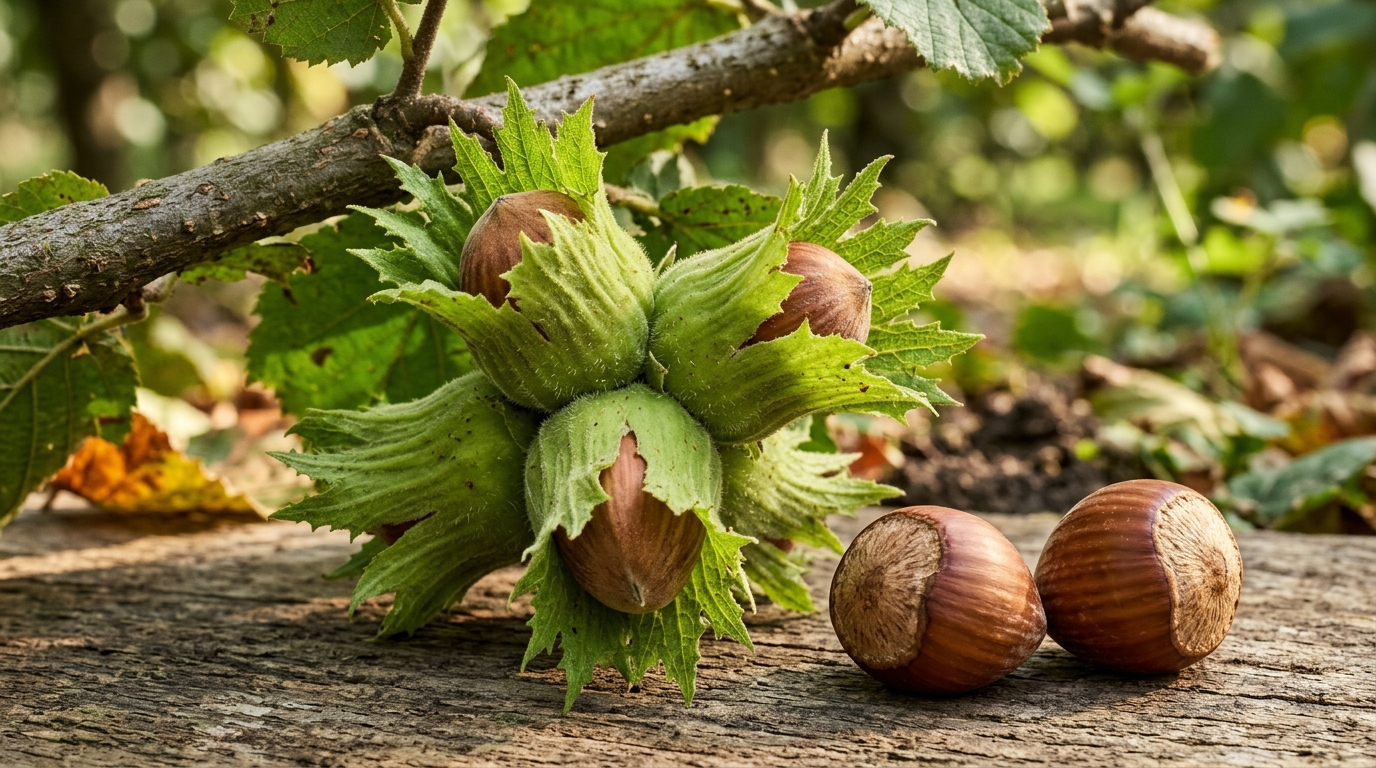
Laboratory experiments have revealed that bacteria associated with the eggs of Curculio dieckmanni, a major seed pest affecting woody Corylus species in China, alter hazelnut fruit odors and deter female egg laying. To understand what regulates these decisions, researchers investigated whether artificial egg insertion modifies fruit odor profiles and subsequent fruit acceptance, and whether egg-surface microorganisms can independently reproduce those phenotypic shifts.
The investigation combined multiple experimental methodologies, including two-choice oviposition preference tests, gas chromatography coupled with mass spectrometry, gas chromatography linked to electroantennographic detection, Y-tube behavioral bioassays, bacterial isolation, and reinoculation assays. In two-choice oviposition trials, mated female Curculio dieckmanni systematically avoided hazelnut fruits that had been incubated for twenty-four or forty-eight hours following the artificial insertion of a single insect egg. In contrast, mechanical puncturing of the fruit exterior without introducing an egg failed to reduce oviposition acceptance, establishing that physical trauma to the nut tissue was not responsible for the observed behavioral deterrence.
Chemical analyses of the headspace volatiles alongside electroantennographic recordings demonstrated that three specific volatile compounds—camphene, 3-methyl-apopinene, and beta-pinene—elicited repeatable physiological responses in the antennae of adult beetles. Despite these distinct electrophysiological reactions, behavioral trials conducted inside Y-tube olfactometers revealed that only beta-pinene significantly altered weevil orientation. The behavioral response to beta-pinene was strictly dose dependent: female beetles exhibited significant avoidance when presented with filter-paper doses ranging from 4 to 100 nanograms, whereas a lower dose of 1 nanogram elicited no significant preference or repulsion.
Quantitative measurements confirmed substantial shifts in the emission of this active monoterpene over time following egg insertion. In untreated control hazelnut fruits, the apparent emission rate of beta-pinene was recorded at 0.290 ± 0.082 nanograms per fruit per hour. Following artificial egg introduction, apparent emission rates climbed to 4.647 ± 0.677 nanograms per fruit per hour after twenty-four hours and reached 6.227 ± 1.099 nanograms per fruit per hour after forty-eight hours, with values representing the mean and standard error derived from three biological samples per experimental treatment.
To determine whether microorganisms were driving these changes, the researchers harvested washes from the egg surface and isolated specific bacterial cultures identified as Klebsiella and Enterobacter species. Applying either the raw egg-surface wash or the isolated Klebsiella and Enterobacter strains to hazelnut fruits successfully reproduced both physiological and behavioral effects. Inoculation with these bacterial agents generated elevated apparent beta-pinene emission rates and prompted mated female weevils to reject treated fruits in subsequent oviposition assays, demonstrating that egg-associated bacteria can elicit the altered fruit-odor phenotype under controlled laboratory conditions.
Despite these laboratory demonstrations, the researchers noted critical boundaries regarding the interpretation of their experimental results. The data also do not establish whether elevated beta-pinene directly mediates the oviposition avoidance observed in response to bacterial inoculation.
The authors indicate that these candidate cues may support the eventual development of semiochemical monitoring tools and behavior-based management strategies targeting Curculio dieckmanni and related hazelnut seed pests.
Subject of Research: Bacterial alteration of hazelnut volatiles and weevil oviposition avoidance
Article Title: Egg-derived bacterial isolates increase the apparent β-pinene emission rate and reduce fruit acceptance by Curculio dieckmanni, a seed pest of woody Corylus plants
Article References: Liu, M., Fan, D., Xie, X., Ma, L., Ma, X., & Yu, K. (2026). Egg-derived bacterial isolates increase the apparent β-pinene emission rate and reduce fruit acceptance by Curculio dieckmanni, a seed pest of woody Corylus plants. Frontiers in Forests and Global Change, 9, 2000326. https://doi.org/10.3389/ffgc.2026.2000326
Image Credits: AI Generated
DOI: 10.3389/ffgc.2026.2000326
Keywords: Curculio dieckmanni, Corylus, hazelnut seed pests, oviposition avoidance, beta-pinene, egg-surface bacteria, Klebsiella, Enterobacter, plant volatiles, semiochemicals, electroantennography, camphene, 3-methyl-apopinene, two-choice oviposition assay, Y-tube olfactometer, forest pest management
News Source: Alan Morgan. (November 27, 2026). Egg-Derived Bacteria Reduce Hazelnut Acceptance and Increase Apparent Beta-Pinene Emissions. Scienmag.