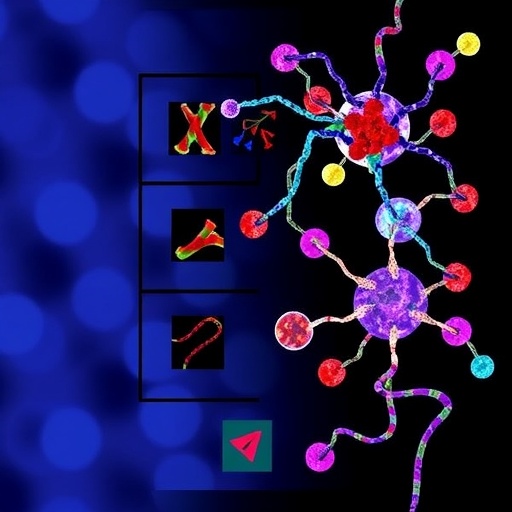
A groundbreaking study from Finnish researchers at the University of Turku has unveiled an unprecedented biomarker within the lymphatic vessels of oral cancer tumors, offering a promising avenue for early and precise identification of high-risk cases prone to recurrence and mortality. This discovery centers on the proliferative activity of lymphatic endothelial cells, a feature previously unrecognized as a prognostic indicator in oral cavity cancers, potentially transforming diagnostic and therapeutic strategies in this challenging disease.
Oral cancers rank among the most common malignancies in the head and neck region, claiming over 188,000 lives annually worldwide. Unlike many other cancer types, even small, clinically early-stage oral tumors can exhibit aggressive behavior, leading to poor outcomes. The Finnish cohort study highlighted the critical need for robust biomarkers capable of discerning which ostensibly early-stage tumors harbor a heightened potential for recurrence and fatal progression, a challenge that currently hinders optimized patient management.
The research team employed spatial single-cell analysis techniques to meticulously examine approximately 300 oral cancer specimens obtained from Finnish patients diagnosed at early stages. This high-resolution approach enabled detailed characterization of the tumor microenvironment, specifically focusing on various immune and structural cell populations within the tumor mass. Their analyses identified an unexpected elevation in the proliferation of lymphatic endothelial cells lining the lymphatic vessels infiltrating the tumor, a finding absent in normal oral mucosa where lymphatic cell division is minimal.
Intriguingly, the presence of these proliferating lymphatic vessels emerged as a more powerful predictor of disease relapse and mortality than any previously established clinical or pathological risk factor in oral cavity cancer. The marker proteins detected denote active cell cycle progression in lymphatic endothelial cells, underscoring a dynamic lymphatic remodeling process intimately linked to tumor aggressiveness. This biological insight shifts the paradigm in understanding how the tumor microenvironment’s stromal components contribute to oral cancer progression.
Lymphatic vessels serve as critical conduits for immune cell trafficking as well as potential pathways for cancer metastasis. In healthy oral tissue, lymphatic endothelial cells exhibit a quiescent phenotype with limited proliferation, maintaining vascular stability. The researchers’ revelation that a subset of oral tumors prompts rampant lymphatic vessel growth and division suggests a microenvironment conducive to tumor dissemination and immune modulation, underlining the multifaceted role of the lymphatic system in cancer biology.
Identifying aggressive oral cancers at diagnosis is paramount, as current treatment protocols primarily involve surgical excision of the primary tumor, with limited utilization of adjuvant therapies due to the absence of precise risk stratification methods. The novel biomarker discovered offers a much-needed tool to stratify patients more accurately, potentially guiding the application of supplemental surgical, chemotherapeutic, or immunotherapeutic interventions to those at greatest risk while sparing low-risk patients from unnecessary side effects.
The implications of these findings stretch beyond oral cavity malignancies. The researchers posit that evaluating lymphatic vessel proliferation as a prognostic marker may have broad relevance across multiple cancer types where the lymphatic system influences tumor progression. Future studies aimed at validating this biomarker in diverse oncologic contexts could catalyze a paradigm shift in cancer prognostication and treatment decision-making globally.
Technically, the study leveraged multiplex immunohistochemistry and advanced imaging modalities to resolve spatial distributions of protein markers indicative of cellular proliferation, such as Ki-67, within the lymphatic endothelial compartment. This rigorous methodology facilitated quantification of proliferative lymphatic vessels at single-cell resolution in situ, overcoming previous limitations in tumor microenvironment analysis. The integrative approach exemplifies how cutting-edge molecular pathology can unlock clinically actionable insights.
The importance of this research is magnified by the pressing clinical challenge posed by oral cancers’ heterogeneous clinical course. Up to 20% of patients diagnosed at early stages in Finland ultimately succumb to the disease despite ostensibly curative interventions. The ability to detect intrinsic tumor aggressiveness through lymphatic proliferation signatures could thus markedly improve survival outcomes by enabling timely, personalized therapy intensification.
From a translational perspective, incorporation of lymphatic vessel proliferation assessment into routine histopathologic evaluation could be realized through standardized immunostaining protocols and image analysis software, fostering rapid clinical adoption. Furthermore, this biomarker may complement emerging molecular and genetic classifiers, together constructing a multifactorial risk model that holistically encapsulates tumor biology and host interactions.
Lead author Dr. Joni Näsiaho emphasized the clinical significance of the findings: “Early identification of aggressive disease forms is critical for optimizing treatment pathways. Our discovery provides a novel prognostic marker that could refine patient selection for adjuvant therapies, improving efficacy while minimizing unnecessary treatment toxicities.” This sentiment reflects a broader shift toward precision oncology grounded in tumor microenvironment biology.
The study, published in Cell Reports Medicine, was rigorously peer-reviewed and supported by substantial funding from the Research Council of Finland and the Cancer Foundation Finland. It stands as a testament to interdisciplinary collaboration, integrating oncologic clinical care, molecular pathology, and advanced bioinformatics within the University of Turku’s MediCity Research Laboratory and associated clinical departments, including Turku University Hospital’s ENT specialists.
In conclusion, the identification of proliferative lymphatic endothelial cells within oral cancer tumors as a strong predictor of disease outcome represents a major breakthrough with profound clinical implications. By illuminating how tumor-driven alterations in lymphatic vessel biology correlate with prognosis, this work opens new frontiers for biomarker development, targeted therapies, and personalized management strategies in oral oncology and potentially beyond.
Subject of Research: Prognostic significance of proliferating lymphatic vessels in early-stage human oral cancer.
Article Title: Spatial single-cell analysis reveals tumor microenvironment signatures predictive of oral cavity cancer outcome
News Publication Date: 17-Feb-2026
Web References: 10.1016/j.xcrm.2026.102615
Image Credits: Joni Näsiaho
Keywords: oral cancer, lymphatic vessels, tumor microenvironment, prognostic biomarker, lymphatic endothelial cells, cell proliferation, spatial single-cell analysis, tumor recurrence, cancer mortality, head and neck cancer, precision oncology, immunohistochemistry
Tags: aggressive oral tumors early diagnosisbiomarkers for cancer recurrence predictionearly detection of oral cancerFinnish oral cancer cohort studyhead and neck cancer mortalityhigh-risk oral cancer recurrenceinnovative diagnostic strategies for oral cancerlymphatic vessel biomarkers in cancerprognostic indicators for oral cavity cancerproliferative activity of lymphatic endothelial cellsspatial single-cell analysis in cancer researchtumor microenvironment in oral cancer