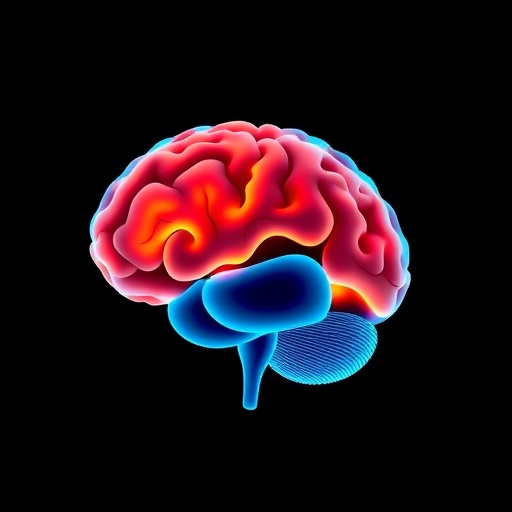
Children who survive congenital heart disease (CHD) often face long-term challenges that extend beyond the heart, including measurable neurodevelopmental differences. While clinicians have increasingly documented cognitive, motor, and behavioral vulnerabilities in early life, less is known about how early developmental signals translate into concrete, everyday milestones during young adulthood. A new study published in Pediatric Research now links early neurodevelopment to a real-world indicator of independence: whether CHD survivors obtain a driver’s license.
Researchers followed a cohort of individuals with CHD and assessed early neurodevelopmental outcomes using established indicators such as developmental performance profiles that capture domains like attention, coordination, and broader cognitive functioning. The study then examined later driving experience at the transition to adulthood, focusing on the attainment of a driver’s license—a critical step that requires not only knowledge of road rules but also planning, sustained attention, reaction timing, and decision-making.
Statistically, the investigators found that early neurodevelopmental metrics were predictive of later driving outcomes. In other words, patterns identified in childhood were not merely associated with academic or clinical measures; they carried forward into functional tasks that demand integrated skills. The results suggest that neurodevelopmental organization—how efficiently the brain supports learning and behavior—can shape the likelihood of engaging in driving-related responsibilities years later.
The team emphasizes that driving licensure is a particularly meaningful endpoint because it reflects a combination of cognitive capacity, neurobehavioral stability, and practical life circumstances. It also provides a pragmatic lens on independence, complementing traditional health outcomes and offering a bridge between pediatric follow-up and adult functioning.
Importantly, the findings do not imply determinism. Many factors—family support, access to driver education, and individual health trajectories—also influence licensing. However, the study strengthens the argument that early developmental screening in CHD should be treated as a prognostic tool, not simply a descriptive assessment.
From a clinical perspective, the work supports earlier identification of children who may benefit from targeted interventions. Programs that address attention regulation, motor planning, or executive function could plausibly improve readiness for complex real-world activities, including driving.
Overall, the research reframes neurodevelopment in CHD as a forward-looking predictor of independence. With more survivors reaching adulthood, translating early developmental data into actionable guidance could help families and clinicians plan for smoother transitions.
Subject of Research: Congenital heart disease (CHD) survivors; neurodevelopment and functional independence
Article Title: Early neurodevelopment predicts driving experience in early adulthood in a congenital heart disease cohort.
Article References: Baxelbaum, K.S., Burnham, N., Hampton, L. et al. Early neurodevelopment predicts driving experience in early adulthood in a congenital heart disease cohort. Pediatr Res (2026). https://doi.org/10.1038/s41390-026-05306-8
Image Credits: AI Generated
DOI: 10.1038/s41390-026-05306-8
Keywords:
Tags: brain-behavior relationshipscognitive and motor developmentcongenital heart diseasedevelopmental milestonesdriving skills predictionearly childhood brain developmentlong-term neurobehavioral effectsneurodevelopmental assessmentneurodevelopmental outcomespediatric neurodevelopmenttransition to adulthoodyouth independence