Routine transthoracic echocardiography detected early, asymptomatic aortic root thrombosis on postoperative day two in two patients following HeartMate 3 implantation, according to a clinical study published in the Journal of Artificial Organs. Although aortic root thrombosis represents an increasingly recognized clinical complication in patients supported with continuous-flow left ventricular assist devices, the authors emphasize that the condition’s true incidence, overall clinical prognosis, and optimal treatment strategies continue to remain poorly defined in medical literature.
In both documented clinical cases, the formation of an aortic root thrombus developed in the specific physiological setting of a persistently closed aortic valve following HeartMate 3 implantation. Routine transthoracic echocardiography on postoperative day two identified the thrombi while both patients remained asymptomatic. In both cases, the thrombus was identified before embolic complications occurred.
Clinicians managed both patients using a conservative, physiology-guided strategy. The conservative strategy consisted of intensified anticoagulation administered alongside a temporary escalation in the HeartMate 3 pump speed, which was specifically applied to maintain persistent closure of the aortic valve during the treatment period. Additionally, the clinical team instituted a temporary restriction of physical activity for both patients to complement the device adjustments. This conservative management plan avoided the use of antiplatelet therapy.
Under close clinical monitoring, the aortic root thrombus resolved completely in both patients without precipitating any symptomatic embolic events. Resolution was achieved without requiring invasive intervention. Furthermore, extended patient tracking revealed that neither individual experienced a recurrence of aortic root thrombosis during the follow-up observation period.
Drawing on the two clinical cases and an accompanying review of the literature, the investigators noted that early aortic root thrombosis may be clinically silent and underrecognized even in the contemporary HeartMate 3 era. The authors concluded that routine early echocardiographic surveillance may facilitate timely detection. For carefully selected patients managed under close monitoring, a conservative, physiology-guided strategy focused on flow adjustment and intensified anticoagulation appears effective in achieving complete thrombus resolution.
Subject of Research: Management of aortic root thrombosis following HeartMate 3 implantation
Article Title: Perioperative management of aortic root thrombus following HeartMate 3 implantation: review of the literature
Article References: Izumida, T., Imamura, T., Nakamura, M., Nakagaito, M., Yokoyama, S., Nagura, S., Doi, T., & Kinugawa, K. (2026). Perioperative management of aortic root thrombus following HeartMate 3 implantation: review of the literature. Journal of Artificial Organs, 29(4), Article 79. https://doi.org/10.1007/s10047-026-01603-5
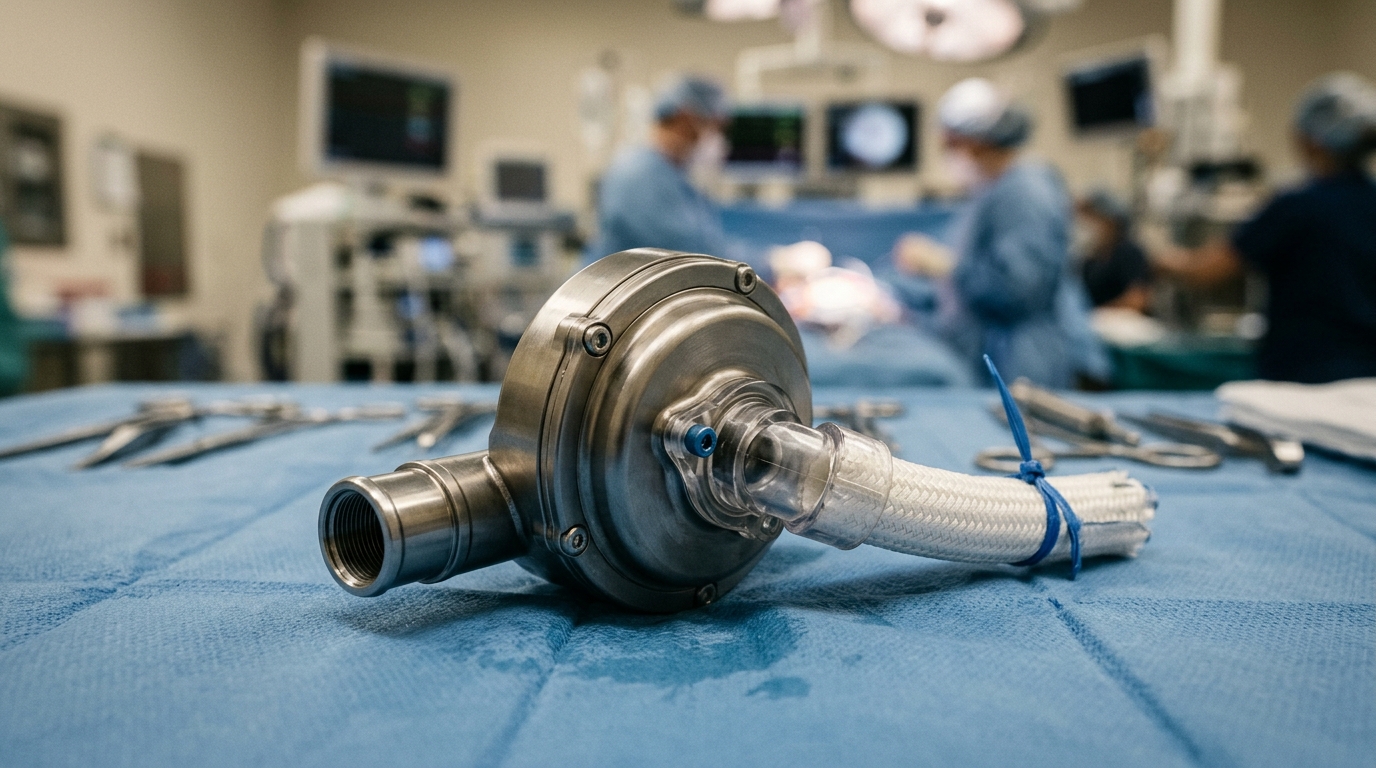
Image Credits: AI Generated
DOI: 10.1007/s10047-026-01603-5
Keywords: aortic root thrombosis, HeartMate 3, left ventricular assist devices, continuous-flow LVAD, transthoracic echocardiography, echocardiographic surveillance, aortic valve closure, anticoagulation, pump speed escalation, embolic complications, mechanical circulatory support, Journal of Artificial Organs, artificial heart, perioperative management, asymptomatic thrombosis, cardiac surgery, flow adjustment
News Source: Denise Maddox. (November 14, 2026). Early Aortic Root Thrombus Resolves Conservatively in Two HeartMate 3 Cases. Scienmag.