• HOME
  • NEWS
  • EXPLORE
    • CAREER
      • Companies
      • Jobs
    • EVENTS
    • iGEM
      • News
      • Team
    • PHOTOS
    • VIDEO
    • WIKI
  • BLOG
  • COMMUNITY
    • FACEBOOK
    • INSTAGRAM
    • TWITTER
Wednesday, May 13, 2026
BIOENGINEER.ORG
No Result
View All Result
  • Login
  • HOME
  • NEWS
  • EXPLORE
    • CAREER
      • Companies
      • Jobs
        • Lecturer
        • PhD Studentship
        • Postdoc
        • Research Assistant
    • EVENTS
    • iGEM
      • News
      • Team
    • PHOTOS
    • VIDEO
    • WIKI
  • BLOG
  • COMMUNITY
    • FACEBOOK
    • INSTAGRAM
    • TWITTER
  • HOME
  • NEWS
  • EXPLORE
    • CAREER
      • Companies
      • Jobs
        • Lecturer
        • PhD Studentship
        • Postdoc
        • Research Assistant
    • EVENTS
    • iGEM
      • News
      • Team
    • PHOTOS
    • VIDEO
    • WIKI
  • BLOG
  • COMMUNITY
    • FACEBOOK
    • INSTAGRAM
    • TWITTER
No Result
View All Result
Bioengineer.org
No Result
View All Result
Home NEWS Science News Biology

Does DNA in the water tell us how many fish are there?

Bioengineer by Bioengineer
July 3, 2020
in Biology
Reading Time: 2 mins read
0
IMAGE
Share on FacebookShare on TwitterShare on LinkedinShare on RedditShare on Telegram

IMAGE

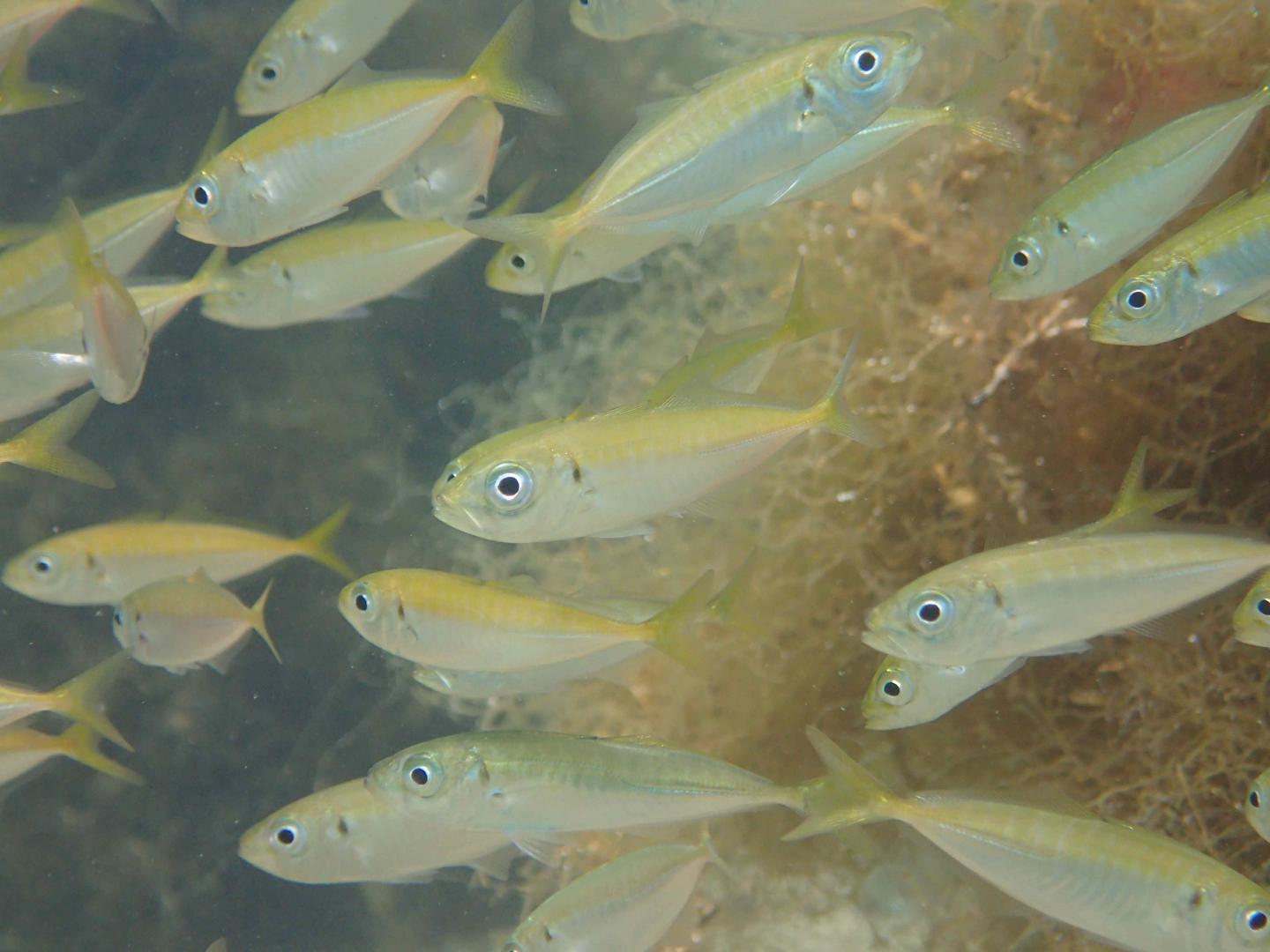
Credit: Reiji Masuda

River water, lake water, and seawater contain DNA belonging to organisms such as animals and plants. Ecologists have begun to actively analyze such DNA molecules, called environmental DNA, to assess the distribution of macro-organisms. Challenges yet remain, however, in quantitative applications of environmental DNA.

In a research article published online in Molecular Ecology, researchers from the National Institute for Environmental Studies, Tohoku University, Shimane University, Kyoto University, Hokkaido University, and Kobe University, have reported a new method for estimating population abundance of fish species (or more generally, a target aquatic species), by means of measuring concentration of environmental DNA in the water. Their results suggest the potential of the proposed approach for quantitative, non-invasive monitoring of aquatic ecosystems.

DNA molecules are released from organisms present, are transported by the flow of water, and are eventually degraded. In a natural environment, these processes can operate in a complex way.

“This complicates and limits the traditional approach of population quantification based on environmental DNA where the presence of a definite relationship between the concentration of environmental DNA and population abundance has been critical, “explained Keiichi Fukaya, research associate at the National Institute for Environmental Studies and the lead author of the paper.

“We thought that these fundamental processes of environmental DNA, the shedding, transport, and degradation, should be accounted for, when we estimate population abundance through environmental DNA,” he said.

The authors implemented this idea by adopting a numerical hydrodynamic model that explicitly accounts for the processes to simulate the distribution of environmental DNA concentrations within an aquatic area. “By solving this model in the ‘inverse direction’, we can estimate fish population abundance based on the observed distribution of environmental DNA concentrations,” Fukaya explained.

A case study conducted in Maizuru Bay, Japan, confirmed that the estimate of the population abundance of Japanese jack mackerel (Trachurus japonicus), obtained by the proposed method, was comparable to that of a quantitative echo sounder method.

“The idea and framework presented in this study forms a cornerstone towards quantitative monitoring of ecosystems through environmental DNA analysis. By combining field observation, techniques of molecular biology, and mathematical/statistical modeling, the scope of the environmental DNA analysis will be broadened beyond the determination of the presence or absence of target species,” explained Professor Michio Kondoh from Tohoku University, who led the 5.5-year environmental DNA research project, funded by the Japan Science and Technology Agency (CREST).

###

This work was supported by JST CREST Grant Number JPMJCR13A2, Japan.

Media Contact
Keiichi Fukaya
[email protected]

Related Journal Article

http://dx.doi.org/10.1111/mec.15530

Tags: BiologyEcology/EnvironmentFisheries/AquacultureMolecular BiologyPopulation Biology
Share13Tweet8Share2ShareShareShare2

Related Posts

Using Real-Time Brain Signals to Forecast and Prevent Attention Lapses in Children — Biology

Using Real-Time Brain Signals to Forecast and Prevent Attention Lapses in Children

May 13, 2026
Cutting-Edge Genomic Techniques Reveal Unexpected Cellular Changes in the Aging Brain — Biology

Cutting-Edge Genomic Techniques Reveal Unexpected Cellular Changes in the Aging Brain

May 12, 2026

USC Researchers Initiate Study on the Most Advanced Lab-Grown Kidney Structures

May 12, 2026

Childbirth in Humans Is Not Uniquely Challenging Among Mammals, New Research Shows

May 12, 2026
Please login to join discussion

POPULAR NEWS

  • Research Indicates Potential Connection Between Prenatal Medication Exposure and Elevated Autism Risk

    842 shares
    Share 337 Tweet 211
  • New Study Reveals Plants Can Detect the Sound of Rain

    728 shares
    Share 290 Tweet 182
  • Salmonella Haem Blocks Macrophages, Boosts Infection

    62 shares
    Share 25 Tweet 16
  • Breastmilk Balances E. coli and Beneficial Bacteria in Infant Gut Microbiomes

    57 shares
    Share 23 Tweet 14

About

We bring you the latest biotechnology news from best research centers and universities around the world. Check our website.

Follow us

Recent News

Fluctuating States Link Neural and Behavioral V1 Activity

Perimenopause Presents a Key Window for Heart Disease Prevention in Women

Penn Scientists Develop AI Tool to Accelerate Antibiotic Discovery

Subscribe to Blog via Email

Enter your email address to subscribe to this blog and receive notifications of new posts by email.

Join 82 other subscribers
  • Contact Us

Bioengineer.org © Copyright 2023 All Rights Reserved.

Welcome Back!

Login to your account below

Forgotten Password?

Retrieve your password

Please enter your username or email address to reset your password.

Log In
No Result
View All Result
  • Homepages
    • Home Page 1
    • Home Page 2
  • News
  • National
  • Business
  • Health
  • Lifestyle
  • Science

Bioengineer.org © Copyright 2023 All Rights Reserved.