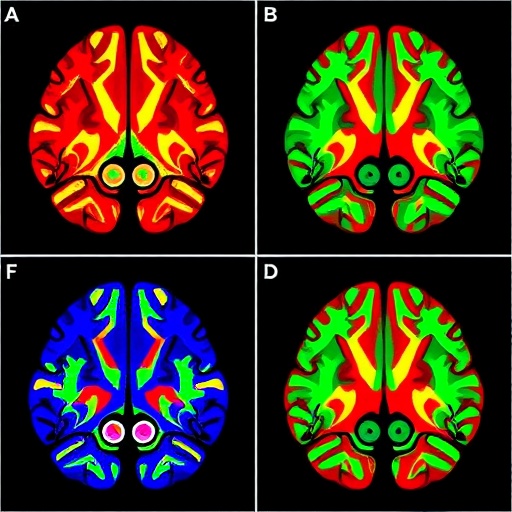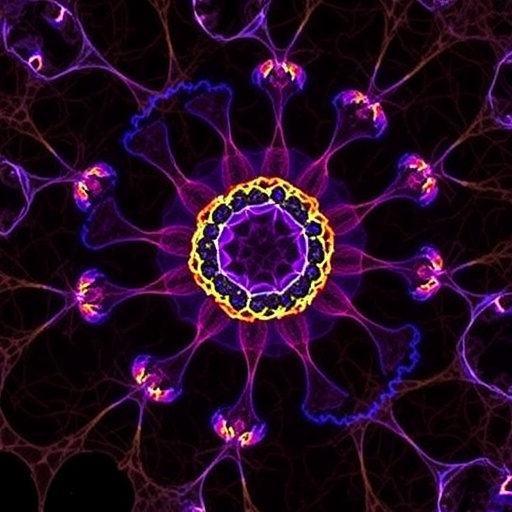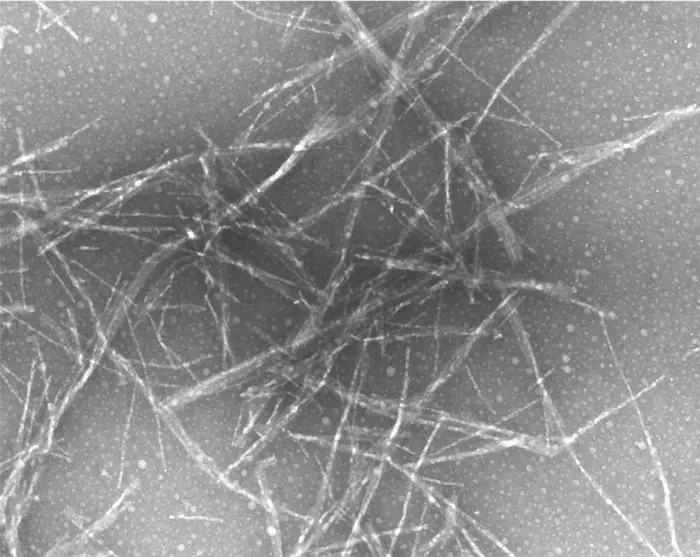
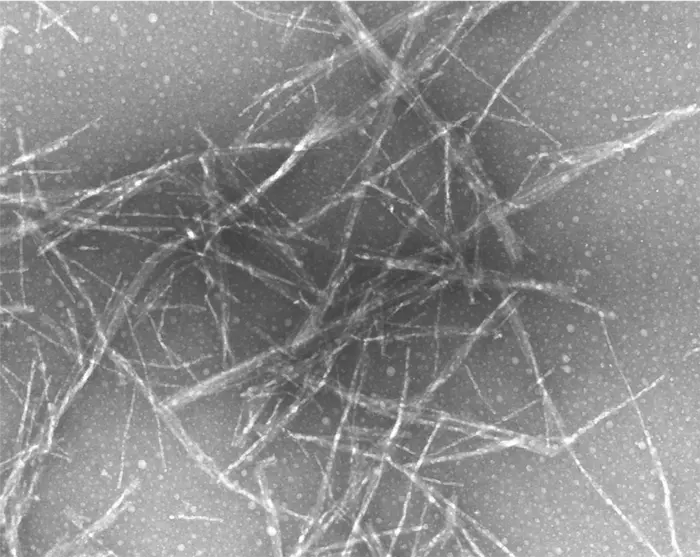
Niigata, Japan –Dialysis patients often develop dialysis-related amyloidosis and exhibit bone and joint disorders that impair their activity of daily living (Figure 1). Blood purification devices consisting of hexadecyl-immobilized cellulose beads aimed at removing the precursor protein, β2– microglobulin (β2-m), are used in the treatment of dialysis-related amyloidosis. Dr. Yamamoto et al. investigated that comprehensive analysis of proteins adsorbed onto blood purification devices revealed the identification of 200 types of proteins, including β2-m. Among these, several molecules, such as lysozyme, were shown to be involved in amyloid fibril formation (Figure 2).
Credit: Niigata University
Niigata, Japan –Dialysis patients often develop dialysis-related amyloidosis and exhibit bone and joint disorders that impair their activity of daily living (Figure 1). Blood purification devices consisting of hexadecyl-immobilized cellulose beads aimed at removing the precursor protein, β2– microglobulin (β2-m), are used in the treatment of dialysis-related amyloidosis. Dr. Yamamoto et al. investigated that comprehensive analysis of proteins adsorbed onto blood purification devices revealed the identification of 200 types of proteins, including β2-m. Among these, several molecules, such as lysozyme, were shown to be involved in amyloid fibril formation (Figure 2).
I. Background of the Study
Patients with advanced chronic kidney disease (CKD) require kidney replacement therapy, such as hemodialysis, to manage their condition. Hemodialysis patients often experience various symptoms, leading to a compromised quality of life and reduced activity levels.
Itching is a common symptom frequently observed in hemodialysis patients. Although its exact causes remain unclear, a survey conducted in Japan in 2000 found that itching was present in 73% of hemodialysis patients, and it was associated with elevated levels of β2-microglobulin, calcium, phosphorus, or parathyroid hormone in the blood. Subsequently, improvements in hemodialysis therapy and pharmacological treatments have led to changes in the severity of itching and its associated factors in hemodialysis patients.
Uremic toxins are a group of molecules whose concentrations increase in the blood due to kidney disease. Those molecules are associated with systemic diseases and prognosis in patients with end-stage kidney disease. Among them, molecules with high protein-bound properties, called PBUTs, such as indoxyl sulfate, are difficult to remove by dialysis therapy and have been reported to be associated with various pathologies. However, there have been no reports regarding their association with itching. in hemodialysis patients.
Therefore, Dr. Yamamoto et al. conducted a study to investigate the details of itching and factors associated with it, particularly focusing on PBUTs in hemodialysis patients.
II. Overview of the Study
In this study, Yamamoto et al. extracted adsorbed proteins from β2-m adsorption columns on hemodialysis patients with dialysis-related amyloidosis, and analyzed them through mass spectrometry (Figure). As a result, 200 types of proteins, including β2-m, were detected.
Among them, four proteins (lysozyme, angiogenin, matrix Gla protein, and complement factor D) were identified, which are present in amyloid tissue and highly adsorbed by the β2-m adsorption column. When β2-m was reacted with those proteins in vitro, those proteins acted β2-m amyloid fibril formation.
III. Publication of Research Findings
The research findings were published in the scientific journal Amyloid: Journal of Protein Folding Disorders on February 11, 2024.
Paper Title: Mass spectrometry-based proteomic analysis of proteins adsorbed by hexadecyl-immobilized cellulose bead column for the treatment of dialysis-related amyloidosis
Authors: Suguru Yamamoto, Keiko Yamamoto, Yoshitoshi Hirao, Keiichi Yamaguchi, Kichitaro Nakajima, Mami Sato, Miho Kawachi, Mio Domon, Kei Goto, Kentaro Omori, Noriaki Iino, Hisaki Shimada, Ryuzi Aoyagi, Isei Ei, Shin Goto, Yuji Goto, Fumitake Gejyo, Tadashi Yamamoto, Ichiei Narita
doi: 10.1080/13506129.2024.2315148
Journal
Amyloid
DOI
10.1080/13506129.2024.2315148
Article Title
Mass spectrometry-based proteomic analysis of proteins adsorbed by hexadecyl-immobilized cellulose bead column for the treatment of dialysis-related amyloidosis
Article Publication Date
11-Feb-2024