New Scientific Breakthrough Reveals How Liver Tumors Orchestrate Fibrosis to Accelerate Cancer Progression
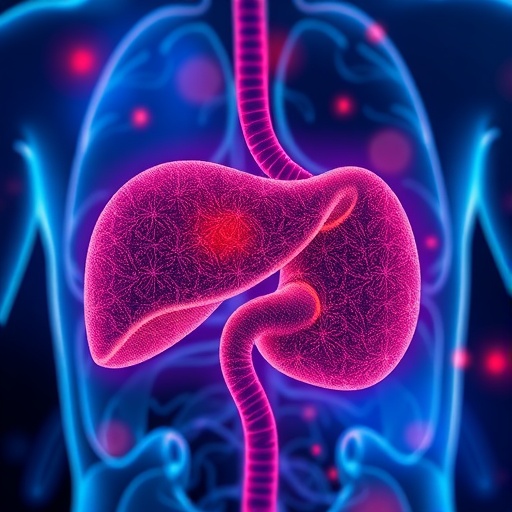
In a landmark study recently published in the prestigious journal Cancer Science, a multidisciplinary team of researchers at the Institute of Science Tokyo has unraveled a critical molecular mechanism by which hepatocellular carcinoma (HCC) promotes the formation of fibrotic tissue within tumors. This cutting-edge research identifies the SPP1–CD44–Hedgehog signaling axis as a pivotal driver of intratumoral fibrosis, a phenomenon that fuels HCC aggressiveness and resistance to therapy. The findings herald a promising new frontier for therapeutic intervention aimed at disrupting tumor-stroma interplay in liver cancer.
Liver cancer remains a daunting global health challenge, ranking as one of the leading causes of cancer mortality worldwide. The predominant type, hepatocellular carcinoma, often emerges in the backdrop of chronic liver inflammation and fibrosis due to viral hepatitis, alcohol abuse, or metabolic syndrome. Fibrosis, characterized by excessive deposition of extracellular matrix components, creates a dense, scar-like microenvironment surrounding cancer cells. Far from merely being structural, this fibrotic milieu actively influences tumor biology by modulating cellular behavior, promoting malignant progression, and conferring treatment resistance.
Despite its clinical importance, the molecular crosstalk linking HCC cells to hepatic stellate cells (HSCs)—the principal fibrogenic cell population in the liver—has remained poorly characterized. Previous attempts to target fibrosis therapeutically have been hampered by limited understanding of the signaling networks sustaining this tumor-supportive niche. Addressing this critical knowledge gap, the research team led by Professor Shinji Tanaka leveraged an integrative experimental approach combining clinical sample analysis, single-cell transcriptomics, in vitro cell co-cultures, and genetically engineered mouse models.
Comprehensive gene expression profiling of 372 HCC patient tissues unveiled a striking overexpression of osteopontin (SPP1) in tumors exhibiting advanced fibrosis. SPP1, a secreted glycoprotein implicated in various inflammatory processes, emerged as a key molecular signature correlating with poor clinical outcomes. Immunohistochemical analyses of 103 clinical specimens further substantiated the localization of heightened SPP1 levels specifically within fibrotic tumor regions, underscoring its pathophysiological relevance.
Functionally, experimental elevation of SPP1 production in liver cancer cells accelerated tumor growth and enhanced fibrotic tissue accumulation in murine xenograft models. These observations suggested that tumor-derived SPP1 actively remodels the microenvironment by recruiting and activating HSCs. Cell co-culture experiments convincingly demonstrated that SPP1 secreted by malignant hepatocytes binds directly to CD44 receptors on HSCs, triggering downstream Hedgehog pathway activation—an evolutionarily conserved signaling cascade integral to development and tissue homeostasis.
Activation of Hedgehog signaling was evidenced by upregulation of GLI1, a transcription factor mediating fibrogenic gene expression programs. Pharmacological inhibition of this pathway using vismodegib, an FDA-approved Hedgehog inhibitor, significantly attenuated HSC activation in vivo, reduced fibrotic matrix deposition, and impeded tumor growth. These preclinical results provide robust proof-of-concept for targeting the SPP1–CD44–Hedgehog axis as a viable anti-fibrotic and anti-cancer strategy.
The study’s multidisciplinary methodology enabled an unprecedented high-resolution dissection of tumor-stroma interactions within HCC. Employing single-cell RNA sequencing facilitated the identification of distinct cellular subsets and molecular signatures driving the fibrotic process, while in vitro mechanistic assays unraveled the receptor-ligand interplay fundamental to this axis. Mouse models recapitulated the complex tumor microenvironment, enabling validation of therapeutic interventions in physiologically relevant contexts.
Beyond its mechanistic importance, this research carries profound translational implications. The SPP1–CD44–Hedgehog pathway represents a novel biomarker axis to stratify patients with highly fibrotic HCC, a subgroup traditionally associated with dismal prognosis and limited treatment options. Therapeutic agents targeting components of this signaling cascade could complement existing modalities, potentially overcoming fibrosis-induced drug resistance and improving survival outcomes.
Moreover, this discovery deepens our conceptual understanding of how malignant tumors actively engineer their surrounding stroma to create a supportive niche. Rather than passive bystanders, hepatic stellate cells are co-opted through specific molecular signals to orchestrate fibrosis that fosters tumor expansion and immune evasion. Interrupting this pathological dialogue disrupts the tumor’s ability to exploit the fibrotic microenvironment, offering a novel angle for intervention.
Looking ahead, the research team envisions extending these findings by exploring combinational therapies integrating Hedgehog inhibitors with immune checkpoint blockade or conventional chemotherapeutics. Additionally, elucidating downstream transcriptional targets of GLI1 in HSCs may reveal further actionable nodes within the pro-fibrotic signaling cascade. Expanding clinical trials to evaluate vismodegib or analogous agents specifically in fibrotic HCC patients could rapidly translate these insights into practice.
In summary, the pioneering study conducted by the Institute of Science Tokyo illuminates the critical role of the SPP1–CD44–Hedgehog signaling axis in fostering intratumoral fibrosis and driving hepatocellular carcinoma progression. By unveiling this previously obscure molecular mechanism, the research not only advances fundamental cancer biology but also opens promising therapeutic avenues targeting the tumor microenvironment in liver cancer.
This breakthrough exemplifies the power of integrative experimental frameworks combining molecular biology, genomics, and translational medicine to tackle pressing cancer challenges. As hepatocellular carcinoma incidence continues to rise globally, fueled by emerging epidemics of metabolic liver disease, innovative strategies to mitigate fibrosis and remodel the tumor niche will become indispensable. The newly uncovered signaling axis offers a beacon of hope to patients afflicted with this devastating malignancy.
Institute of Science Tokyo stands at the forefront of such scientific endeavors, committed to advancing knowledge and developing transformative therapies that enhance human health and wellbeing. This landmark publication marks a milestone in the collective effort to decode complex tumor-stroma interactions and heralds a new era of precision oncology for liver cancer.
Subject of Research: Animals
Article Title: Targeting SPP1CD44Hedgehog Axis Elicits Therapeutic Effects in Hepatocellular Carcinoma by Suppressing Intratumoral Fibrosis
News Publication Date: 2-Mar-2026
Web References: http://dx.doi.org/10.1111/cas.70296
Image Credits: Institute of Science Tokyo
Keywords: Hepatocellular carcinoma, Liver cancer, Fibrosis, Tumor microenvironment, SPP1, CD44, Hedgehog signaling, GLI1, Hepatic stellate cells, Cancer progression, Experimental study, Therapy
Tags: chronic liver inflammation and cancerextracellular matrix remodeling in liver tumorsfibrosis role in cancer aggressivenesshepatic stellate cell activation in fibrosishepatocellular carcinoma tumor microenvironmentintratumoral fibrosis mechanismsliver cancer fibrosis signaling pathwayliver cancer progression and treatment resistancemolecular targets for liver cancer therapySPP1-CD44-Hedgehog axistherapeutic strategies against liver fibrosistumor-stroma interactions in HCC