

• HOME
  • NEWS
  • EXPLORE
    • CAREER
      • Companies
      • Jobs
    • EVENTS
    • iGEM
      • News
      • Team
    • PHOTOS
    • VIDEO
    • WIKI
  • BLOG
  • COMMUNITY
    • FACEBOOK
    • INSTAGRAM
    • TWITTER
Saturday, May 16, 2026
BIOENGINEER.ORG
No Result
View All Result
  • Login
  • HOME
  • NEWS
  • EXPLORE
    • CAREER
      • Companies
      • Jobs
        • Lecturer
        • PhD Studentship
        • Postdoc
        • Research Assistant
    • EVENTS
    • iGEM
      • News
      • Team
    • PHOTOS
    • VIDEO
    • WIKI
  • BLOG
  • COMMUNITY
    • FACEBOOK
    • INSTAGRAM
    • TWITTER
  • HOME
  • NEWS
  • EXPLORE
    • CAREER
      • Companies
      • Jobs
        • Lecturer
        • PhD Studentship
        • Postdoc
        • Research Assistant
    • EVENTS
    • iGEM
      • News
      • Team
    • PHOTOS
    • VIDEO
    • WIKI
  • BLOG
  • COMMUNITY
    • FACEBOOK
    • INSTAGRAM
    • TWITTER
No Result
View All Result
Bioengineer.org
No Result
View All Result
Home NEWS Science News Biology

Dino hips discovery unravels species riddle

Bioengineer by Bioengineer
February 11, 2018
in Biology
Reading Time: 2 mins read
0
Share on FacebookShare on TwitterShare on LinkedinShare on RedditShare on Telegram
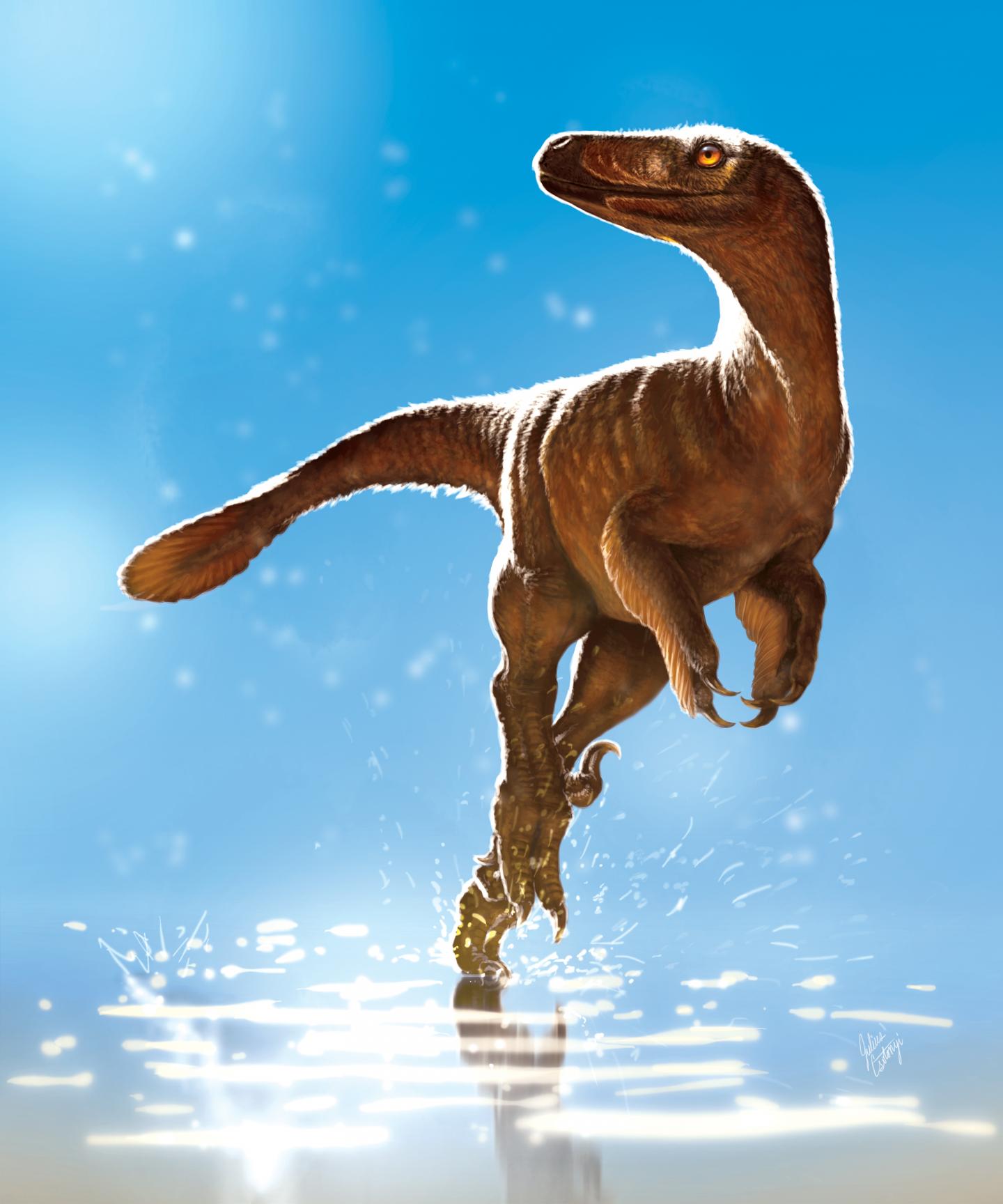
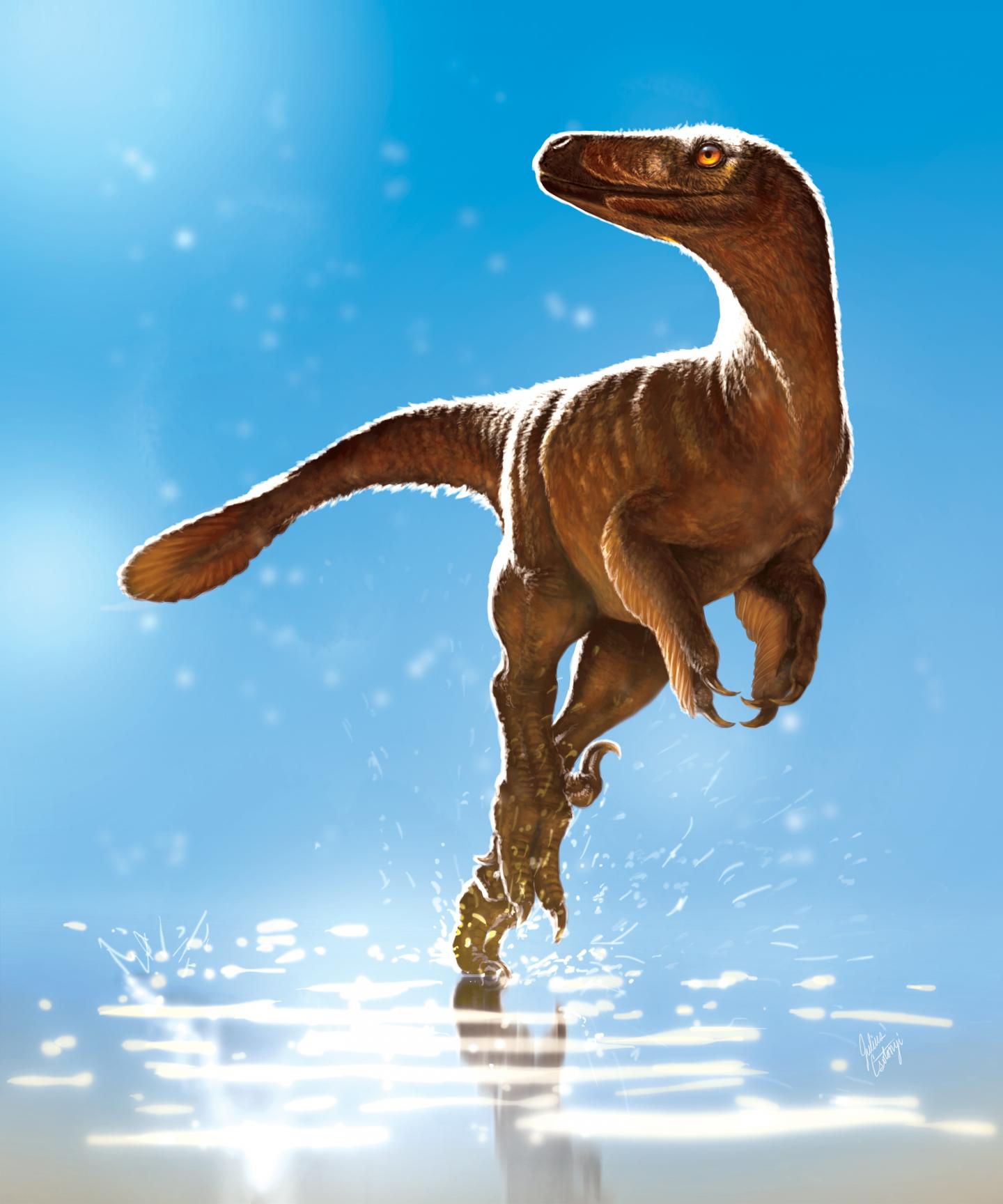
IMAGE

Credit: Julius Csotonyi

New research from University of Alberta paleontologists shows one of North America's most broadly identified dinosaur species, Troodon formosus, is no longer a valid classification, naming two others in its stead. The discovery by graduate student Aaron van der Reest leaves North America's paleontology community in upheaval.

In June 2014, van der Reest discovered an intact troodontid pelvis in Dinosaur Provincial Park, leading him to take a closer look at previously collected troodontid cranial bones from southern Alberta.

"That's when everything fell together and we were able to confirm that there were in fact two different species in the Dinosaur Park Formation, instead of just one," said van der Reest.

He named one of the new species Latenivenatrix mcmasterae and resurrected another, Stenonychosaurus inequalis.

Setting the record straight

Up until then, the vast majority of troodontid specimens found in North America had been classified as Troodon formosus.

"Troodon formosus has been found from Mexico all the way to Alaska, spanning a 15 million year period–a fantastic and unlikely feat," explained van der Reest, a graduate student of renowned paleontologist Philip Currie.

"The hips we found could ultimately open the door for dozens of new species to be discovered," said van der Reest. "Researchers with other specimens now have two new species for comparison, widening our ability to understand the Troodontid family tree in North America."

Aside from being a new species, Latenivenatrix is in a league of its own.

"This new species is the largest of the troodontids ever found anywhere in the world, standing nearly two metres at the head and close to 3.5 metres long," van der Reest said. "It's about fifty per cent larger than any other troodontids previously known, making it one of the largest deinonychosaurs (raptor like dinosaurs) we currently recognize."

Personal connection

For van der Reest, naming a new dinosaur species has been an especially powerful experience. He has named his discovery Latenivenatrix mcmasterae, or L. mcmasterae, in honour of his late mother, Lynne (McMaster) van der Reest, whose encouragement was essential for his pursuit of paleontology.

"Having brought my first find full circle, from discovery to publishing my research three years later, has been really incredible," he explained. "I can't think of a better way to honour her memory."

The paper, "Troodontids (Theropoda) from the Dinosaur Park Formation, Alberta, with a description of a unique new taxon: implications for deinonychosaur diversity in North America"is published in the Canadian Journal of Earth Sciences.

###

Media Contact

Katie Willis
[email protected]
780-248-1215
@ualberta

http://www.ualberta.ca

Original Source

https://www.ualberta.ca/science/science-news/2017/august/dino-hips-discovery-unravels-species-riddle


Share14Tweet8Share2ShareShareShare2

Related Posts

Uncovering C. elegans Immunity via Genetic Screens — Biology

Uncovering C. elegans Immunity via Genetic Screens

May 16, 2026
Single mother must adapt swiftly — the survival of her colony depends on it — Biology

Single mother must adapt swiftly — the survival of her colony depends on it

May 15, 2026

Why Are Nearly Everyone Right-Handed? It Might Be Linked to How We Learned to Walk

May 15, 2026

Excessive Neuronal Activity Initiates Severe Autoimmune Brain Disorder

May 15, 2026
Please login to join discussion

POPULAR NEWS

  • Research Indicates Potential Connection Between Prenatal Medication Exposure and Elevated Autism Risk

    844 shares
    Share 338 Tweet 211
  • New Study Reveals Plants Can Detect the Sound of Rain

    730 shares
    Share 291 Tweet 182
  • Salmonella Haem Blocks Macrophages, Boosts Infection

    62 shares
    Share 25 Tweet 16
  • Breastmilk Balances E. coli and Beneficial Bacteria in Infant Gut Microbiomes

    58 shares
    Share 23 Tweet 15

About

We bring you the latest biotechnology news from best research centers and universities around the world. Check our website.

Follow us

Recent News

Uncovering C. elegans Immunity via Genetic Screens

Congenital Heart Disease’s Lasting Impact on Brain Health

Metabolic Stress Worsens Parkinson’s via Mitochondrial Ferroptosis

Subscribe to Blog via Email

Enter your email address to subscribe to this blog and receive notifications of new posts by email.

Join 82 other subscribers
  • Contact Us

Bioengineer.org © Copyright 2023 All Rights Reserved.

Welcome Back!

Login to your account below

Forgotten Password?

Retrieve your password

Please enter your username or email address to reset your password.

Log In
No Result
View All Result
  • Homepages
    • Home Page 1
    • Home Page 2
  • News
  • National
  • Business
  • Health
  • Lifestyle
  • Science

Bioengineer.org © Copyright 2023 All Rights Reserved.