• HOME
  • NEWS
  • EXPLORE
    • CAREER
      • Companies
      • Jobs
    • EVENTS
    • iGEM
      • News
      • Team
    • PHOTOS
    • VIDEO
    • WIKI
  • BLOG
  • COMMUNITY
    • FACEBOOK
    • INSTAGRAM
    • TWITTER
Sunday, July 19, 2026
BIOENGINEER.ORG
No Result
View All Result
  • Login
  • HOME
  • NEWS
  • EXPLORE
    • CAREER
      • Companies
      • Jobs
        • Lecturer
        • PhD Studentship
        • Postdoc
        • Research Assistant
    • EVENTS
    • iGEM
      • News
      • Team
    • PHOTOS
    • VIDEO
    • WIKI
  • BLOG
  • COMMUNITY
    • FACEBOOK
    • INSTAGRAM
    • TWITTER
  • HOME
  • NEWS
  • EXPLORE
    • CAREER
      • Companies
      • Jobs
        • Lecturer
        • PhD Studentship
        • Postdoc
        • Research Assistant
    • EVENTS
    • iGEM
      • News
      • Team
    • PHOTOS
    • VIDEO
    • WIKI
  • BLOG
  • COMMUNITY
    • FACEBOOK
    • INSTAGRAM
    • TWITTER
No Result
View All Result
Bioengineer.org
No Result
View All Result
Home NEWS Science News Biology

Dingo skull resistant to change from cross breeding with dogs,…

Bioengineer by Bioengineer
January 24, 2018
in Biology, Science News
Reading Time: 2 mins read
0
Share on FacebookShare on TwitterShare on LinkedinShare on RedditShare on Telegram
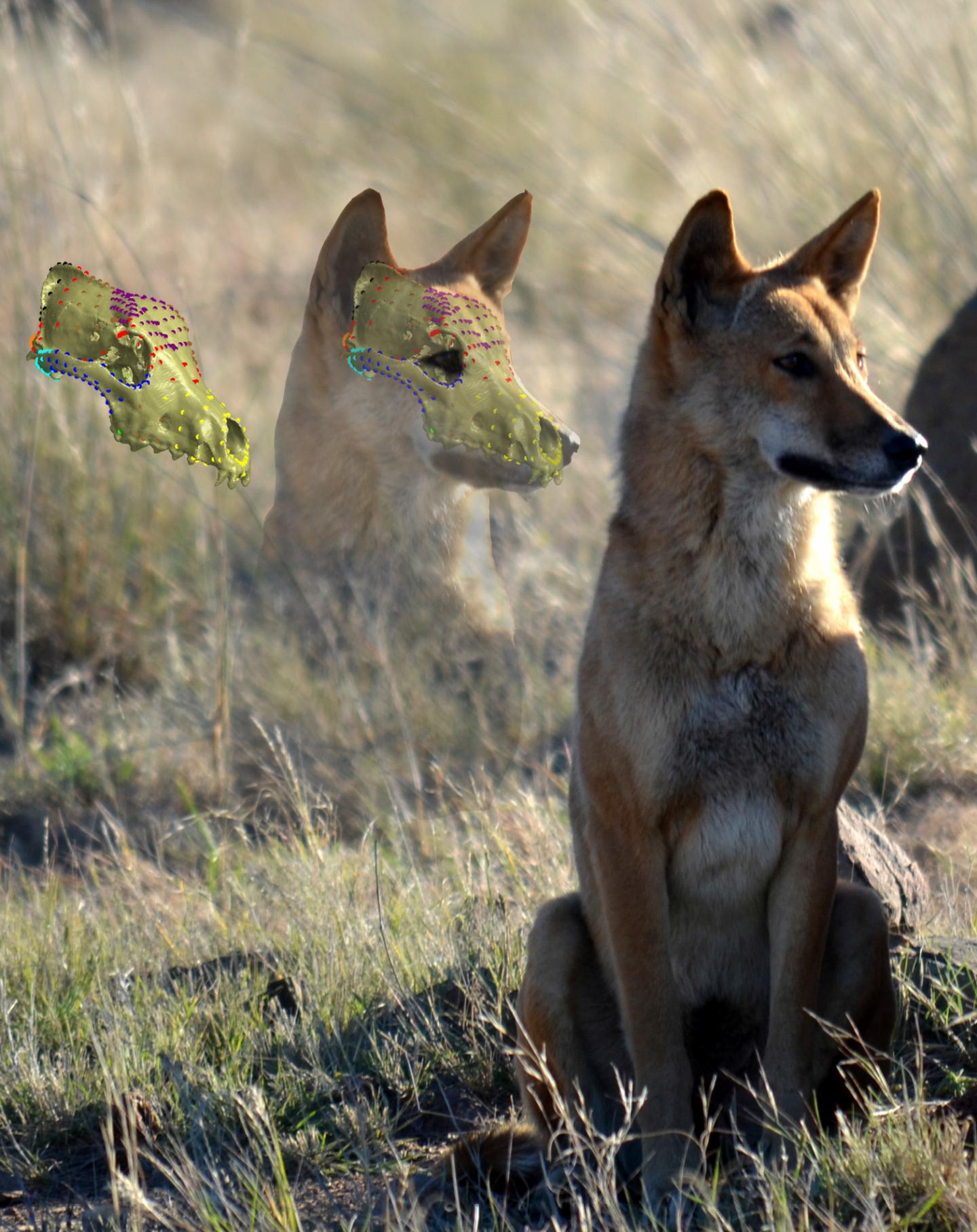
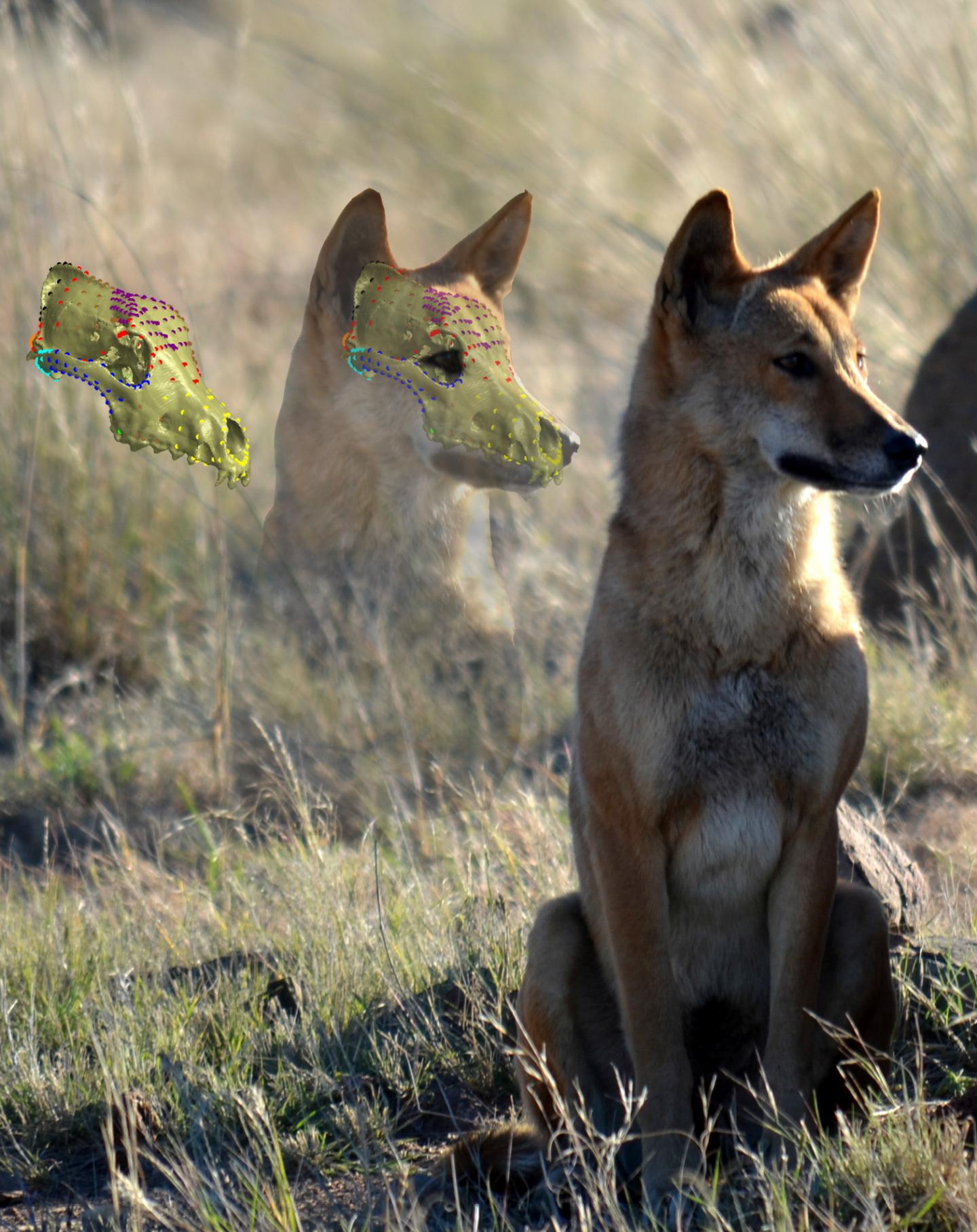
IMAGE

Australia's largest predator, the dingo, is resistant to one of the main threats to its survival as a species — changes to skull shape brought about by cross breeding (hybridisation) with dogs, research shows.

A UNSW study published today in Evolutionary Biology has found the dingo skull shape remains unchanged by cross breeding, overturning long-held fears that cross breeding may result in the loss of the predator's ecological niche.

"We know that cross breeding has an effect on the dingo gene pool but what we didn't know until now is whether cross breeding changes the dingo skull," said study lead author Dr William Parr, Postdoctoral Research Fellow at UNSW Medicine's Surgical and Orthopaedic Research Laboratory.

"This study has shown us that the dingo skull shape, which in part determines feeding ability, is more dominant than dog skull shapes," Dr Parr said.

Conservationists and ecologists had worried that any change in the animals' skull shape through hybridisation could alter feeding habits, potentially causing knock-on effects throughout the entire ecosystem.

The UNSW research team used medical CT (computed tomography) scanners to make 3D models of the skulls of dingoes, domestic dogs and hybrids. They then used sophisticated 3D shape analyses to determine whether skulls could be correctly assigned to one of the three groups based on their shape.

The researchers found hybrid skulls were indistinguishable from those of the dingo, meaning they could not tell the difference with the naked eye or statistically.

Canis dingo was largely isolated from other canids (dogs, wolves, foxes, jackals) after it was introduced to the Australian continent around 3,000 years ago. But this changed when European settlers arrived with domestic dogs.

The researchers think that the dominance of the dingo skull shape is most likely due to recessive, potentially adverse, traits being fixed in dogs, with many breeds having narrower gene pools than the dingo.

"This is the result of selective breeding to maintain breed standards, or selecting for useful working traits," Dr Parr said.

Study co-author Dr Laura Wilson, Postdoctoral Research Fellow at UNSW Science's School of Biological, Earth and Environmental Sciences, said relatively little is known about how different regions of the skull may alter on a short time scale, such as after a hybridisation event as seen with dogs and dingoes.

"Those patterns have implications for understanding variation in the wild, which is important for predicting how an animal may respond to future ecological challenges," Dr Wilson said.

###

The research was in part funded by the Australia-Pacific Science Foundation and conducted in collaboration with Western Sydney University, University of Sydney and University of New England.

UNSW's Dr Michael Letnic, one of the study's co-authors, was part of a team that won a Eureka Award for earlier research showing how dingoes help sustain biodiversity in Australia's ecosystems.

Media Contact

Dan Wheelahan
[email protected]
61-435-930-465
@UNSWnews

http://www.unsw.edu.au

Share12Tweet8Share2ShareShareShare2

Related Posts

Sleep Quality Links Synergistically with Frailty to Increase Cardiometabolic Multimorbidity in Elderly Chinese

July 19, 2026

Cognitive reserve helps older adults resist frailty and recover better

July 19, 2026

Physical Activity and Health Inequality in China’s Older Adults

July 19, 2026

Topological Jackiw-Rebbi States in Photonic Van der Waals Heterostructures

July 19, 2026
Please login to join discussion

POPULAR NEWS

  • Groundbreaking Discovery: New Shark Species Identified for the First Time — Technology and Engineering

    Groundbreaking Discovery: New Shark Species Identified for the First Time

    34 shares
    Share 14 Tweet 9
  • Controlled Study Defines Pediatric Long COVID Features

    32 shares
    Share 13 Tweet 8
  • Behavioral Nudge Boosts Medication Prescriptions for Alcohol Reduction

    35 shares
    Share 14 Tweet 9
  • Clean Cooking and Remittances Slash Somalia’s Ecological Footprints

    31 shares
    Share 12 Tweet 8

About

We bring you the latest biotechnology news from best research centers and universities around the world. Check our website.

Follow us

Recent News

Sleep Quality Links Synergistically with Frailty to Increase Cardiometabolic Multimorbidity in Elderly Chinese

Cognitive reserve helps older adults resist frailty and recover better

Physical Activity and Health Inequality in China’s Older Adults

Subscribe to Blog via Email

Enter your email address to subscribe to this blog and receive notifications of new posts by email.

Join 85 other subscribers
  • Contact Us

Bioengineer.org © Copyright 2023 All Rights Reserved.

Welcome Back!

Login to your account below

Forgotten Password?

Retrieve your password

Please enter your username or email address to reset your password.

Log In
No Result
View All Result
  • Homepages
    • Home Page 1
    • Home Page 2
  • News
  • National
  • Business
  • Health
  • Lifestyle
  • Science

Bioengineer.org © Copyright 2023 All Rights Reserved.