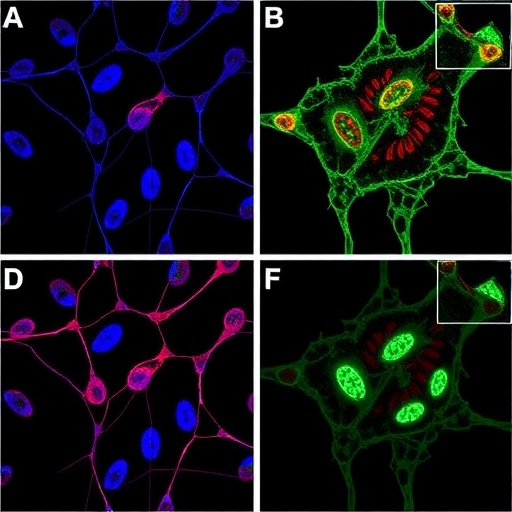
The realm of cancer research continuously unveils new layers of complexity, particularly in the case of breast cancer, one of the most prevalent malignancies affecting women worldwide. Recent advances emphasize the pivotal role of epigenetic modifications in cancer biology, specifically the regulation of gene expression through histone modifications. In this context, the study of histone lysine demethylases (KDMs) has garnered significant attention. These enzymes play essential roles not just in normal cellular functions but also in the progression of breast cancer. Moreover, understanding the molecular mechanisms underlying the action of KDMs could pave the way for innovative therapeutic interventions.
Histone acetylation and methylation represent key epigenetic modifications that influence chromatin structure and gene expression. Methylation—specifically on lysine residues—can either activate or repress gene expression depending on the context and site of modification. Given the complexity of these epigenetic marks, researchers are delving deeper into their implication in breast cancer, focusing particularly on KDMs. These demethylases are responsible for removing methyl groups from lysine residues on histones, thereby altering chromatin accessibility and influencing transcriptional outcomes.
In the study conducted by Wang, Qi, and Ma, the authors meticulously dissect the contributions of various KDMs to the development and progression of breast cancer. They highlight the intricate regulatory networks mediated by these enzymes and how dysregulation can result in oncogenesis. The research reveals that certain KDMs promote tumorigenesis by facilitating the expression of oncogenes, while others may act as tumor suppressors by repressing genes associated with malignancy.
The significance of KDMs in breast cancer extends beyond their regulatory roles; they also serve as potential biomarkers for disease prognosis. For instance, the altered expression levels of specific KDMs have been correlated with clinical outcomes in breast cancer patients. This correlation presents a dual opportunity: to utilize these enzymes as biomarkers for disease staging and to target them therapeutically with small molecules designed to inhibit their activity. Such targeted therapies could be particularly beneficial in cases resistant to conventional treatments.
Furthermore, the intricacies of KDM functions are closely tied to their interactions with various co-factors and signaling pathways. The study underscores the importance of the tumor microenvironment in modulating KDM activity. Stress signals from surrounding stromal cells or extracellular matrix components can influence KDM expression and function, further complicating the landscape of breast cancer biology. Therefore, understanding these interactions is crucial for developing comprehensive therapeutic strategies.
In the context of targeted therapies, the potential of KDM inhibitors is promising. Preclinical studies have shown that specific inhibitors can effectively reduce tumor burden and enhance sensitivity to existing treatments, such as chemotherapy and immunotherapy. The authors discuss various classes of KDM inhibitors currently under investigation, emphasizing their molecular targets and mechanisms of action. This highlights a burgeoning field where synthetic chemistry converges with molecular biology to create next-generation cancer therapies.
Moreover, the multidisciplinary approach presented in the study signifies the importance of collaboration across fields. A successful translation of basic research findings into clinical applications necessitates close cooperation between chemists, biologists, and oncologists. Therefore, fostering a collaborative environment is essential for expediting the developmental timeline of potential therapies derived from KDM research.
Resistance mechanisms in breast cancer highlight another critical area of inquiry. As treatments become increasingly sophisticated, cancer cells invariably adapt, developing resistance that complicates clinical outcomes. KDMs are implicated in these resistance mechanisms, often through alterations in gene expression that enable cancer cell survival in the presence of therapeutic agents. The study provides compelling evidence that targeting KDMs may counteract or circumvent known resistance pathways, offering a strategic advantage in the ongoing battle against breast cancer progression.
As research in this field progresses, clinical trials focused on KDM inhibitors will be essential for assessing efficacy and safety in human populations. The transition from laboratory findings to clinical practice presents numerous challenges, including dosage optimization and patient stratification based on KDM expression profiles. However, the potential benefits—both in improving survival rates and enhancing the quality of life for patients—underscore the urgency for ongoing and future investigations.
Additionally, the integration of genomic, transcriptomic, and proteomic data will facilitate a deeper understanding of KDM regulation and function in breast cancer. Utilizing advanced sequencing technologies could aid in the identification of novel targets and pathways involved in KDM-mediated tumorigenesis. By harnessing big data approaches, researchers can uncover hidden relationships and develop predictive models that inform personalized treatment strategies.
The implication of KDM research also extends beyond breast cancer. Dysregulation of these enzymes has been associated with various malignancies, suggesting a common pathway that could be exploited therapeutically across different cancer types. This notion reinforces the idea of treating cancer as a systemic disease rather than merely addressing singular tumors. Thus, KDMs could represent a unifying target for broad-spectrum cancer therapies.
As we continue to unravel the complexities of epigenetic regulation in cancer biology, the integration of KDM research into overarching cancer treatment paradigms will be crucial. The findings from Wang, Qi, and Ma not only illuminate the role of KDMs in breast cancer but also challenge researchers and clinicians alike to innovate and push the boundaries of current therapeutic approaches. In an age where precision medicine is the goal, understanding and targeting KDMs may indeed hold the key to unlocking new frontiers in breast cancer treatment.
The trajectory of KDM research indicates that we are on the cusp of a transformative era in cancer therapy. With continued exploration and commitment to this domain, KDMs have the potential to reshape the landscape of breast cancer management and beyond. As new insights emerge and clinical applications of this research materialize, the conversation about the future of cancer treatment will undoubtedly include the remarkable capabilities of histone lysine demethylases.
The analysis of KDM functions in cancer not only aids in therapeutic development but also inspires a paradigm shift in how we understand cancer biology itself. Rather than viewing KDMs simply as enzymatic agents of change, it becomes evident that they are influential players in a much larger game of cellular regulation and survival. This realization not only underscores their importance but also emphasizes the need for continued investment in understanding the nuances of these epigenetic modifiers as we advance toward a more precise and effective approach to cancer treatment.
In summary, the study by Wang, Qi, and Ma offers a comprehensive assessment of histone lysine demethylases in breast cancer, elucidating their roles as potential biomarkers and therapeutic targets. As we stand at the crossroads of cancer research and treatment, the insights garnered from this investigation could indeed lead to groundbreaking advancements in how we combat breast cancer.
Subject of Research: Histone lysine demethylases in breast cancer
Article Title: Histone lysine demethylases in breast cancer: molecular mechanisms, biological functions, and therapeutic intervention.
Article References:
Wang, A., Qi, D., Ma, Y. et al. Histone lysine demethylases in breast cancer: molecular mechanisms, biological functions, and therapeutic intervention.
Mol Cancer (2025). https://doi.org/10.1186/s12943-025-02512-6
Image Credits: AI Generated
DOI: 10.1186/s12943-025-02512-6
Keywords: Histone demethylases, breast cancer, epigenetics, molecular mechanisms, therapeutic targets, cancer treatment, gene expression, biomarkers.
Tags: breast cancer research advancementschromatin structure and cancerepigenetic modifications in cancergene expression regulation in breast cancerhistone demethylases in breast cancerhistone lysine demethylases functionshistone modifications and cancer biologymethylation’s impact on gene expressionmolecular mechanisms of KDMsrecent advances in cancer researchrole of KDMs in tumor progressiontherapeutic interventions targeting KDMs